Ever caught yourself saying “what the hell” and wondered if there’s a funnier, softer, or more creative way to express surprise or disbelief? Many people search for funny ways to say what the hell, what the hell alternatives, or even what to say instead of what the heck when they want their words to feel less harsh and more expressive.
The phrase what the hell is common in chat, slang, and everyday conversations, but there are plenty of other ways to say what the hell that add humor, personality, or wit. From funny ways to say what in the world to playful expressions often confused with what the heck alternatives, choosing the right phrase can instantly elevate your tone.
In this guide, you’ll explore 33 funny and expressive alternatives including casual conversational comedy style examples, euphemisms for hell, and slang-friendly expressions. Whether you’re curious about what the hell meaning in chat, looking for another way to say what the hell, or just want language that feels funny as hell without crossing lines, this list has you covered.
What the Hell Meaning in Chat?
In texting or online chats, “what the hell” is often used to express surprise, confusion, or disbelief. It’s less about anger and more about reacting to something unexpected, strange, or shocking in a casual conversation.
For example, if someone sends a bizarre photo or message, replying with “what the hell?!” shows your reaction instantly without needing a long explanation. Tone and context matter—sometimes it’s joking, sometimes serious.
What the Hell Meaning in Slang?
As slang, “what the hell” is a casual, informal expression used to emphasize emotions like shock, frustration, or even excitement. It’s commonly used in everyday speech, social media posts, and memes.
Unlike formal language, it conveys attitude and personality, making conversations feel more natural and relatable. For instance, saying “What the hell, I can’t believe this!” adds intensity and emotion that “I can’t believe this” alone might lack.
1. What is Tarnation?
Meaning: Expresses shock or confusion in a humorous, old-fashioned way.
Definition: A quirky Southern-inspired phrase used instead of “What the Hell” to convey disbelief.
Tone: Playful and lighthearted.
Example: “What in tarnation is that cat wearing a hat for?”
Explanation: This phrase adds charm and humor, helping writers soften strong reactions without losing impact.
Purpose and Personalization: Use this phrase to inject personality and friendliness into your writing. It works best in informal or storytelling contexts—adjust by pairing it with regional humor or casual dialogue for extra flair.
2. What on Earth?
Meaning: Shows surprise, confusion, or mild disbelief.
Definition: A polite alternative used to question something unusual or unexpected.
Tone: Curious and slightly astonished.
Example: “What on Earth made you think that was a good idea?”
Explanation: This phrase keeps your tone expressive yet appropriate for any audience.
Purpose and Personalization: Ideal for professional or friendly writing, this phrase balances humor and restraint. Personalize it by emphasizing your emotion through punctuation or follow-up commentary.
3. What the Flip?
Meaning: A fun, censored variation expressing shock or annoyance.
Definition: A slang substitute for harsher exclamations like “What the Hell.”
Tone: Casual and comical.
Example: “What happened to my sandwich?”
Explanation: The phrase keeps communication clean while still delivering a humorous punch.
Purpose and Personalization: Use it to maintain lightheartedness without offending readers. Perfect for blogs or creative writing—adapt intensity with tone or context.
4. What in the World?
Meaning: Reflects confusion or astonishment in a mild, family-friendly tone.
Definition: A universal phrase showing disbelief or surprise.
Tone: Neutral and approachable.
Example: “What in the world is that noise?”
Explanation: It’s effective because it communicates curiosity without sounding harsh.
Purpose and Personalization: Great for broad audiences, from essays to narratives. Adjust your tone by pairing it with descriptive language for added emotional depth.
5. What the Heckin’?
Meaning: A playful internet-style variation used to express confusion or amusement.
Definition: A humorous and exaggerated spin on “What the Heck.”
Tone: Whimsical and modern.
Example: “What the heckin’ kind of sandwich is that?”
Explanation: Its meme-like nature adds a fun, relatable twist to writing.
Purpose and Personalization: Perfect for online or informal pieces. Customize by matching your audience’s humor level or digital familiarity.
6. What the Fudge?
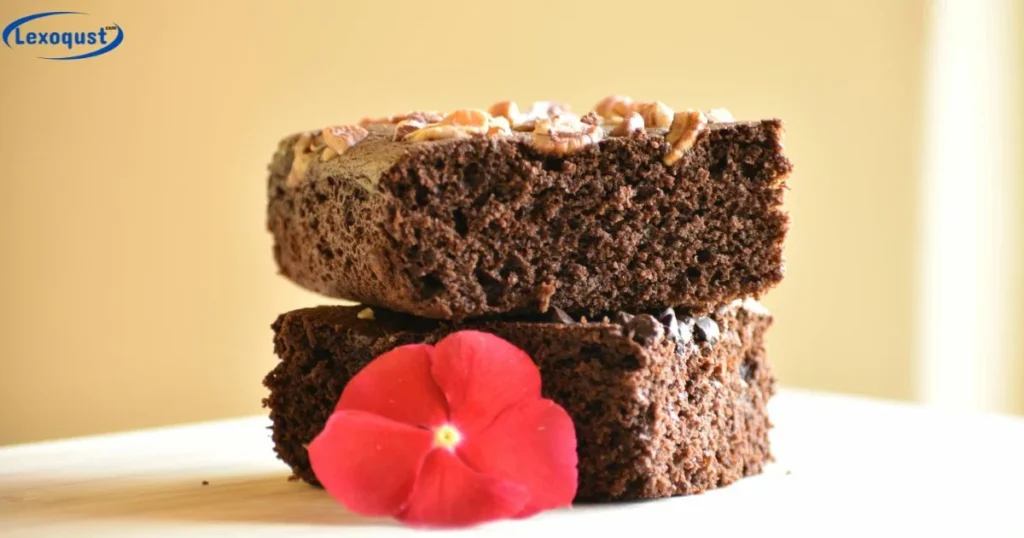
Meaning: A sweet and humorous replacement for a harsher exclamation.
Definition: A euphemism that conveys shock while staying light.
Tone: Funny and friendly.
Example: “What the fudge is going on here?”
Explanation: It softens the emotion, making your writing feel approachable.
Purpose and Personalization: Use this to express surprise without negativity—ideal for family-friendly or creative contexts. Personalize with context-specific humor for a richer tone.
7. What is Sam Hill?
Meaning: A vintage expression used to convey confusion or irritation.
Definition: An old-fashioned euphemism for surprise, similar to “What the Hell.”
Tone: Rustic and nostalgic.
Example: “What in Sam Hill are you doing out there?”
Explanation: The phrase adds color and old-time charm to your writing.
Purpose and Personalization: Use it to give your tone a touch of tradition or character voice. Personalize by aligning it with the time period or mood of your piece.
Read More: Funny Ways to Say “You Have Diarrhea” Examples
8. What in the Blazes?
Meaning: Expresses shock or frustration with a dramatic flair.
Definition: A fiery alternative used to question chaos or confusion.
Tone: Dramatic yet polite.
Example: “What in the blazes happened to my desk?”
Explanation: It’s effective because it keeps intensity while avoiding offense.
Purpose and Personalization: Great for narrative or expressive writing. Adjust by adding descriptive cues to emphasize tone or emotion.
9. What the Actual What?
Meaning: A comical exaggeration of disbelief or confusion.
Definition: A modern, meme-inspired phrase replacing stronger language.
Tone: Amused and sarcastic.
Example: “What is happening right now?”
Explanation: Its absurdity adds humor and relatability to modern writing.
Purpose and Personalization: Perfect for casual or humorous blogs. Personalize by playing with pacing or punctuation for extra comedic effect.
10. What is the Name of Chaos?
Meaning: A creative twist that shows dramatic shock or disbelief.
Definition: A stylized version expressing exaggerated confusion or astonishment.
Tone: Dramatic and expressive.
Example: “What in the name of chaos is this experiment supposed to be?”
Explanation: This phrase adds flair and creativity to writing, keeping readers engaged.
Purpose and Personalization: Use it in fiction, humor, or commentary pieces. Personalize by tying the phrase to your topic’s theme or emotional intensity.
11. What is Dickens?
Meaning: A quirky and vintage way to express surprise or confusion without using harsh language.
Definition: A playful euphemism derived from old English slang, used as a mild substitute for stronger exclamations.
Tone: Whimsical, lighthearted, and old-fashioned.
Example: “What is Dickens going on with this meeting schedule?”
Explanation: This phrase adds humor and charm, softening moments of disbelief while keeping your tone friendly and refined.
Purpose and Personalization: Ideal for writers aiming for a humorous or classic flair. Adjust by pairing it with formal or witty language to match your writing style or audience tone.
12. What the Duck?
Meaning: A funny, family-friendly twist on a stronger phrase that keeps the energy but removes offense.
Definition: A humorous substitution for a curse word that conveys shock or frustration playfully.
Tone: Comedic, casual, and cheerful.
Example: “What the duck happened to my laptop?”
Explanation: Using this phrase creates laughter instead of tension, making your writing more relatable and fun.
Purpose and Personalization: Perfect for informal writing, social media, or blog posts. Personalize it with emojis or playful punctuation to amplify the humor.
13. What in Blue Blazes?
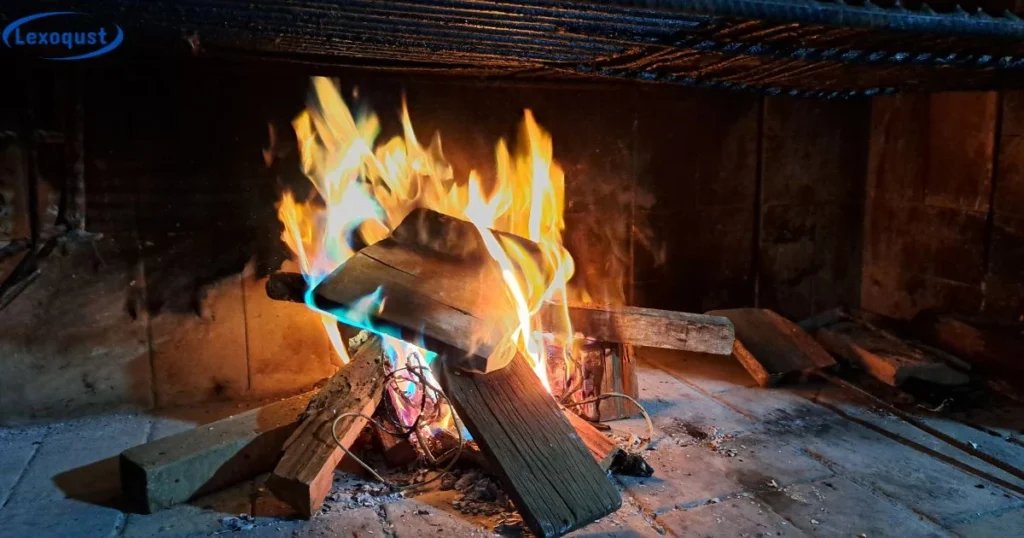
Meaning: An old-timey way to express astonishment or disbelief with flair.
Definition: A colorful idiom used historically as a euphemism for “hell,” avoiding strong language.
Tone: Dramatic, humorous, and slightly theatrical.
Example: “What in blue blazes is that noise coming from the kitchen?”
Explanation: This phrase grabs attention while keeping your tone entertaining and expressive.
Purpose and Personalization: Great for adding vintage humor or dramatic flair to storytelling. Personalize it with descriptive context or exaggerated punctuation.
14. What the Fork?
Meaning: A clever and trendy way to show frustration or confusion while staying polite.
Definition: A modern, meme-inspired phrase that substitutes “hell” with a harmless object for comic effect.
Tone: Playful, sarcastic, and relatable.
Example: “What the fork is happening with my project deadline?”
Explanation: This phrase works well in humorous or conversational writing, lightening serious topics.
Purpose and Personalization: Ideal for modern audiences and informal tones. You can adjust its impact by pairing it with expressive punctuation or casual slang.
15. What in the Seven Hells?
Meaning: A dramatic, fantasy-inspired phrase expressing strong confusion or shock.
Definition: A bold twist often used in fantasy or pop culture, referring to multiple “hells” for exaggerated effect.
Tone: Intense, imaginative, and expressive.
Example: “What in the seven hells did you do to my code?”
Explanation: It adds cinematic flair, making your writing vivid and engaging without being vulgar.
Purpose and Personalization: Great for creative or fantasy writing. Personalize it by using it in character dialogue or vivid storytelling moments.
Read More: Funny Ways to Say “Yes With A Question” (With Examples)
16. What the Snickerdoodle?
Meaning: A sweet and silly way to replace strong surprise or frustration with humor.
Definition: A lighthearted euphemism that swaps serious expressions for something endearing and funny.
Tone: Whimsical, cheerful, and innocent.
Example: “What the snickerdoodle did I just read?”
Explanation: It softens intense emotions, making your writing approachable and family-friendly.
Purpose and Personalization: Ideal for humorous blogs or children’s writing. Adjust by pairing it with playful metaphors or friendly dialogue.
17. What is Banana Bread?
Meaning: A goofy and unexpected way to express shock with a dose of humor.
Definition: A food-based euphemism used to add levity to confusing or surprising moments.
Tone: Funny, casual, and quirky.
Example: “What in the banana bread is happening here?”
Explanation: It makes readers smile while still communicating confusion or surprise clearly.
Purpose and Personalization: Perfect for informal or humorous contexts. Personalize by swapping “banana bread” for another funny food reference that fits your writing style.
18. What the Hoot?

Meaning: A light, animal-inspired phrase to express mild disbelief or amusement.
Definition: A gentle exclamation replacing stronger words, adding charm and humor.
Tone: Friendly, upbeat, and wholesome.
Example: “What the hoot is going on in this office?”
Explanation: This phrase is endearing and cheerful, helping maintain a positive tone even in confusion.
Purpose and Personalization: Ideal for friendly communication or fun storytelling. Adjust by pairing with animal imagery or playful tone shifts.
19. What are the Flying Pancakes?
Meaning: A creative and absurd way to express shock or bewilderment humorously.
Definition: A whimsical rephrasing that exaggerates confusion using an unexpected, funny image.
Tone: Silly, lighthearted, and cartoonish.
Example: “What in the flying pancakes just happened to my email inbox?”
Explanation: The absurdity adds humor and energy, helping your writing stand out.
Purpose and Personalization: Great for comedic or casual pieces. Personalize it by using equally funny visuals or absurd pairings to match your style.
20. What the Blip?
Meaning: A tech-inspired, modern way to express mild confusion or surprise.
Definition: A slang-like euphemism replacing stronger exclamations with a neutral, digital term.
Tone: Modern, quirky, and conversational.
Example: “What the blip just crashed my system?”
Explanation: This phrase blends humor with a techy vibe, making it ideal for digital-age writing.
Purpose and Personalization: Best for contemporary or tech-related contexts. Personalize by pairing it with emojis, casual tone, or other digital slang for extra flair.
21. What are the Chicken Nuggets?
Meaning: Expresses lighthearted confusion or disbelief in a funny, food-themed way.
Definition: A humorous alternative to “What the Hell” that softens surprise with playful imagery.
Tone: Comedic and friendly.
Example: “What in the chicken nuggets is going on here?”
Explanation: This phrase replaces harshness with humor, making reactions feel more approachable and fun.
Purpose and Personalization: Use this to lighten serious moments or inject personality into writing. Adapt it by swapping the food item to match your tone—like “What in the Tacos?” for a quirkier style.
22. What the Fluff?
Meaning: Shows shock or disbelief with a cute, soft twist.
Definition: A playful euphemism that conveys surprise without sounding rude.
Tone: Cheerful and lighthearted.
Example: “What the fluff happened to my coffee?”
Explanation: This phrase keeps your writing expressive yet polite, ideal for casual or humorous tones.
Purpose and Personalization: Perfect for friendly content or conversational blogs. You can adjust intensity by replacing “fluff” with other soft-sounding words like “fudge” or “flapjacks.”
23. What on This Planet?
Meaning: Reflects bewilderment or disbelief with a cosmic touch.
Definition: A whimsical variation expressing surprise at something unusual or unexpected.
Tone: Curious and amazed.
Example: “What on this planet made you think that was a good idea?”
Explanation: Adds dramatic flair without aggression, keeping your tone witty yet composed.
Purpose and Personalization: Ideal for humorous essays or creative commentary. Personalize it by using “What in the galaxy” for a more sci-fi feel.
24. What the Nachos?
Meaning: Expresses disbelief with a zesty, snack-inspired twist.
Definition: A fun food-based phrase to replace harsh exclamations.
Tone: Playful and humorous.
Example: “What the nachos did I just watch?”
Explanation: The phrase adds flavor—literally and figuratively—to your writing, making reactions feel fun and relatable.
Purpose and Personalization: Great for light-hearted blogs or informal stories. You can personalize it by choosing your favorite comfort food for comedic effect.
25. What is the Doodle?
Meaning: Suggests confusion or surprise in a quirky, childlike way.
Definition: A creative and innocent-sounding alternative to express shock or puzzlement.
Tone: Whimsical and friendly.
Example: “What in the doodle is that supposed to mean?”
Explanation: This phrase keeps things fun while showing curiosity, perfect for writing with a humorous edge.
Purpose and Personalization: Use this to keep your tone non-confrontational. You can tweak it with your own artistic flair—like “What in the sketch?”—to match your personality.
26. What the popcorn?

Meaning: Expresses confusion or disbelief in an entertaining, cinematic tone.
Definition: A humorous exclamation often linked with surprising or dramatic events.
Tone: Amused and theatrical.
Example: “What the popcorn just happened in that scene?”
Explanation: The phrase connects with readers through pop-culture vibes, keeping writing fun and relatable.
Purpose and Personalization: Best used in film reviews or pop culture blogs. Modify it by adding specific snack words like “What the caramel corn?” for added flavor.
27. What are the Sweet Pickles?
Meaning: Shows astonishment with an old-fashioned, whimsical flair.
Definition: A comically polite phrase for expressing disbelief.
Tone: Quirky and light-hearted.
Example: “What sweet pickles are you wearing?”
Explanation: Its nostalgic humor makes it charming and family-friendly, great for all audiences.
Purpose and Personalization: Perfect for wholesome or nostalgic writing. Swap “sweet pickles” for another vintage phrase to fit your voice.
28. What is the Bologna Sandwich?
Meaning: Expresses disbelief in a comical, food-related way.
Definition: A funny and mild replacement for stronger exclamations.
Tone: Silly and exaggerated.
Example: “What the bologna sandwich is that noise?”
Explanation: Adds humor while toning down harsh language—ideal for entertaining yet clean writing.
Purpose and Personalization: Great for writers who want to stay humorous without sounding rude. Change the food item to reflect your unique comedic style.
Read More: Funny Ways to Say “Gay” (With Examples)
29. What is the Tornado Twist?
Meaning: Captures surprise or shock with dramatic flair.
Definition: A metaphorical way to express disbelief about chaotic or unexpected events.
Tone: Animated and expressive.
Example: “What in the tornado twist just happened here?”
Explanation: This phrase energizes your writing, making reactions vivid and memorable.
Purpose and Personalization: Ideal for storytelling or creative writing. Customize it with your own dramatic imagery, like “What in the whirlwind?” for extra punch.
30. What the Biscuit?
Meaning: Expresses mild confusion or amusement with a Southern-style charm.
Definition: A humorous, folksy variation that replaces harsh surprise with warmth.
Tone: Playful and homey.
Example: “What the biscuit are you doing up there?”
Explanation: This phrase adds personality and friendliness, perfect for light humor or conversational writing.
Purpose and Personalization: Use it to sound approachable and witty. Adjust it regionally—try “What the cornbread?” for extra down-home appeal.
31. What is the Name of Waffles?

Meaning: This playful phrase expresses surprise or disbelief with a lighthearted, humorous twist.
Definition: A quirky alternative to “What the Hell” that replaces intensity with fun imagery.
Tone: Cheerful and humorous.
Example: “What in the name of waffles is going on here?”
Explanation: It adds personality and humor to moments of confusion without sounding rude or harsh.
Purpose and Personalization: Use this phrase to keep your tone friendly while showing surprise. Writers can tailor it with other food-related words for extra charm or to match their unique writing voice.
32. What the Cupcake?
Meaning: A fun, whimsical way to express shock or disbelief without using harsh language.
Definition: A gentle exclamation that softens a strong reaction into something more lighthearted.
Tone: Playful and upbeat.
Example: “What the cupcake just happened here?”
Explanation: This phrase works well in informal writing, adding personality while keeping things positive.
Purpose and Personalization: Ideal for blogs, emails, or creative pieces. Swap “cupcake” with another dessert or treat to make it fit your own tone or brand style.
33. What is Ding-Dong?
Meaning: A humorous way to show confusion or disbelief in a silly, engaging tone.
Definition: A comical variant that replaces harsh words with something unexpected and funny.
Tone: Goofy and lighthearted.
Example: “What in the ding-dong was that noise?”
Explanation: It captures attention instantly and makes your writing feel more human and relatable.
Purpose and Personalization: Use it in casual or creative writing to inject humor. You can tweak it with other funny objects or sounds to match your sense of humor.
34. What the Glitter Bomb?
Meaning: A dramatic yet fun way to show surprise or disbelief while adding a spark of excitement.
Definition: A colorful expression that replaces strong language with visual flair.
Tone: Energetic and expressive.
Example: “What the glitter bomb just exploded in my inbox?”
Explanation: It adds sparkle—literally and figuratively—to your writing and makes reactions more vivid.
Purpose and Personalization: Great for enthusiastic or creative contexts. Customize by using words that align with your niche, like “confetti” or “sparkle storm.”
35. What is the Holy Guacamole?
Meaning: A humorous expression of shock that carries a cheerful, slightly exaggerated tone.
Definition: A playful way to say “What the Hell” using a funny food reference.
Tone: Amused and friendly.
Example: “What in the holy guacamole is happening with this project?”
Explanation: It softens surprise with humor and keeps your message approachable.
Purpose and Personalization: Perfect for writers aiming for warmth and relatability. Swap “guacamole” with other quirky foods to match your personality or brand humor.
36. 🤓 Quick Meaning Section
What Does “What the Hell?” Mean?
Meaning:
“What the Hell?” expresses surprise, confusion, frustration, disbelief, or annoyance when something unexpected happens.
Definition:
It is an informal exclamation used to react strongly to a situation, question, or unexpected event.
Tone:
Surprised, frustrated, shocked, sarcastic, or humorous depending on the context.
Example:
“What the hell just happened to the presentation?”
Explanation:
This phrase quickly communicates a strong emotional reaction, making conversations feel natural and expressive. However, because it contains mild profanity, it may sound too casual or impolite in formal or professional writing.
Purpose and Personalization:
Use this phrase when your goal is to show genuine surprise or frustration in casual dialogue. If you’re writing for a professional audience, children, or formal publications, replace it with softer alternatives like “What on earth?”, “What’s going on?”, or “What happened?” to better match your writing style and audience.
Easy Grammar Explanation
Meaning:
Grammatically, “What the Hell?” functions as an exclamatory question rather than a request for detailed information.
Definition:
It begins with the interrogative word “what” and uses “the hell” as an intensifier to emphasize emotion.
Tone:
Emphatic, conversational, and emotionally charged.
Example:
“What the hell are you talking about?”
Explanation:
The phrase strengthens the speaker’s emotional response instead of changing the sentence’s basic meaning. Writers often use it in dialogue to make characters sound authentic and expressive.
Purpose and Personalization:
Choose this expression only when the tone of your content allows informal or emotional language. For friendlier or more neutral writing, use alternatives that match your audience while keeping the same intended meaning.
37. 😂 Where People Actually Use It
In The Office
Meaning:
People may think this phrase during stressful moments but rarely say it openly in professional settings.
Definition:
An informal reaction to unexpected workplace problems or confusion.
Tone:
Frustrated, surprised, or impatient.
Example:
“What the hell happened to the project timeline?”
Explanation:
Although it expresses emotion clearly, it can sound disrespectful in meetings or workplace communication.
Purpose and Personalization:
Replace it with professional alternatives such as “What happened?”, “Can someone explain this?”, or “What’s going on?” when writing business emails or reports.
With Friends
Meaning:
Friends often use this phrase casually when reacting to something shocking or funny.
Definition:
A relaxed expression of surprise among people who know each other well.
Tone:
Casual, humorous, expressive.
Example:
“What the hell, you never told me you got engaged!”
Explanation:
Among close friends, the phrase often feels playful rather than offensive because the relationship already allows informal language.
Purpose and Personalization:
Adjust the intensity based on your personality. If you prefer a lighter language, try “What on earth?” or “Seriously?”
While Texting
Meaning:
The phrase adds emotion and immediacy to digital conversations.
Definition:
A quick reaction sent in messages after surprising news or unexpected events.
Tone:
Informal, expressive, spontaneous.
Example:
“What the hell 😂 I didn’t see that coming!”
Explanation:
In texting, readers usually understand the emotional intent through emojis and context, making the phrase feel less harsh.
Purpose and Personalization:
For friendlier chats, swap it with “What in the world?” or “No way!” if you want to sound more positive.
On Social Media
Meaning:
Creators use this phrase to express strong reactions or grab attention.
Definition:
An informal exclamation commonly found in captions, comments, and memes.
Tone:
Bold, dramatic, entertaining.
Example:
“What the hell is happening on my timeline today?”
Explanation:
Its emotional impact can increase engagement, but excessive use may reduce professionalism or limit audience appeal.
Purpose and Personalization:
Choose softer alternatives if your brand voice is family-friendly, educational, or professional.
Awkward Situations
Meaning:
The phrase reflects confusion during uncomfortable or unexpected moments.
Definition:
A spontaneous emotional reaction to an awkward experience.
Tone:
Embarrassed, confused, surprised.
Example:
“What the hell do I say now?”
Explanation:
It mirrors genuine human reactions, making dialogue and storytelling feel realistic and relatable.
Purpose and Personalization:
If your writing aims for empathy instead of intensity, use calmer expressions like “What should I do?” or “How did this happen?”
38. ⚖️ Pros and Cons of Using “What the Hell?”
Pros
Meaning:
The phrase effectively communicates strong emotions.
Definition:
A casual expression that adds emphasis and authenticity.
Tone:
Expressive and conversational.
Example:
“What the hell was that noise?”
Explanation:
It creates realistic dialogue, highlights emotional moments, and helps readers connect with characters or casual conversations.
Purpose and Personalization:
Use it in informal writing, fiction, blogs, or conversations where authentic speech improves the reader’s experience.
Cons
Meaning:
The phrase may not suit every audience or situation.
Definition:
An informal expression containing mild profanity that can appear unprofessional.
Tone:
Potentially rude, aggressive, or disrespectful.
Example:
“What the hell is wrong with this report?”
Explanation:
In workplaces, academic writing, or formal communication, it may distract readers or create a negative impression instead of strengthening your message.
Purpose and Personalization:
Consider your audience before using this phrase. If your goal is respectful, inclusive, or professional communication, choose a polite alternative that delivers the same message without unnecessary intensity.
Read more: Funny Ways to Say “Present in Class” (With Examples)
39. Other Ways to Say “What in the World”
Meaning: Expresses surprise, confusion, or disbelief in a softer and more universal way.
Definition: A mild exclamation used when something seems unexpected or difficult to understand.
Tone: Curious, surprised, and family-friendly.
Example: What in the world happened to the project timeline?
Explanation: This phrase communicates genuine confusion without sounding harsh, making it suitable for professional, academic, and casual writing.
Purpose and Personalization: Use it when you want to sound surprised while keeping your language respectful. For a formal tone, pair it with clear context; for conversational writing, let it reflect natural curiosity.
40. Funny Ways to Say “What the Fuck”
Meaning: Replaces a strong profanity with humorous or lighthearted expressions.
Definition: Playful substitutes that express shock or disbelief without offensive language.
Tone: Humorous, exaggerated, and informal.
Example: What in the biscuits is going on here?
Explanation: Funny alternatives help keep conversations entertaining while avoiding language that may offend readers or listeners.
Purpose and Personalization: Use these phrases in blogs, social media, or casual dialogue to add personality. Match the humor to your audience so it feels natural rather than forced.
41. Funny as Hell Meaning
Meaning: Describes something that is extremely funny or highly entertaining.
Definition: An informal expression that emphasizes a very high level of humor.
Tone: Casual, enthusiastic, and expressive.
Example: That comedian was funny as hell during the entire show.
Explanation: The phrase adds strong emphasis, making compliments sound energetic and memorable in informal communication.
Purpose and Personalization: Use it in relaxed conversations or creative writing. For formal audiences, replace it with “extremely funny” or “incredibly humorous.”
42. What to Say Instead of “What the Hell”
Meaning: Offers friendlier or more suitable expressions that communicate surprise without sounding rude.
Definition: Alternative phrases that replace “What the Hell” in different writing situations.
Tone: Flexible, polite, or conversational.
Example: What on earth just happened?
Explanation: Choosing an alternative helps your message match the audience while maintaining the intended emotion.
Purpose and Personalization: Select formal, casual, or humorous replacements depending on your writing style and the readers you want to reach.
Read more: Funny Ways to Say “You’re Straight” (With Examples)
43. “What the Hell” Synonym
Meaning: A phrase with a similar meaning that expresses shock, frustration, or disbelief.
Definition: A substitute expression that delivers the same reaction with a different level of intensity.
Tone: Surprised, frustrated, or expressive.
Example: What on earth is happening here?
Explanation: Synonyms provide variety and help writers avoid repetitive wording while preserving the intended emotion.
Purpose and Personalization: Choose stronger or softer synonyms based on the tone of your article, dialogue, or personal message.
44. Polite Alternatives to “What the Hell”
Meaning: Gentle expressions that replace a potentially offensive reaction.
Definition: Respectful phrases that communicate surprise or confusion without profanity.
Tone: Courteous, thoughtful, and professional.
Example: What on earth could have caused this issue?
Explanation: Polite alternatives make your writing more inclusive and appropriate for workplaces, classrooms, and public audiences.
Purpose and Personalization: Use these expressions whenever professionalism or respect is important. Adjust the wording to fit formal documents, emails, or friendly conversations.
45. Euphemism for Hell
Meaning: A softened expression that replaces the word “hell” with less intense language.
Definition: An indirect substitute used to reduce the impact of a strong exclamation.
Tone: Mild, respectful, and conversational.
Example: What the heck just happened?
Explanation: Euphemisms preserve emotion while making your writing suitable for a wider range of readers.
Purpose and Personalization: Choose a euphemism when writing for families, schools, or professional audiences. Pick one that matches the overall tone of your content.
46. “What the Heck?”
Meaning: Expresses surprise or confusion without using offensive language.
Definition: A common, family-friendly alternative to stronger exclamations.
Tone: Casual, lighthearted, and polite.
Example: What the heck are we supposed to do now?
Explanation: This phrase keeps conversations natural while avoiding profanity, making it useful in many writing situations.
Purpose and Personalization: Use it when you want a friendly and approachable tone. It works well in blogs, emails, dialogue, and everyday communication.
Read more: What Does “HY” Mean in Texts? Unlock Its Explanation
47. “What the Fish?”
Meaning: A humorous substitute for stronger expressions of disbelief.
Definition: A playful exclamation that replaces profanity with a funny, harmless phrase.
Tone: Silly, cheerful, and informal.
Example: What the fish just happened to my phone?
Explanation: The unexpected wording creates humor and makes your writing more memorable without offending readers.
Purpose and Personalization: Use this phrase in humorous content, social media posts, or playful dialogue. Adjust it to match your audience’s sense of humor.
48. “What in Tarnation?”
Meaning: Expresses amazement or confusion using a classic Western-style expression.
Definition: A traditional idiom used instead of stronger exclamations.
Tone: Humorous, old-fashioned, and expressive.
Example: What in tarnation is making that strange noise?
Explanation: This colorful phrase adds charm and personality, making dialogue or storytelling feel more distinctive.
Purpose and Personalization: Use it in creative writing, humorous articles, or character dialogue. It works especially well when you want a vintage or playful voice without using profanity.
49. What are bananas?
Meaning: Expresses playful surprise or confusion without sounding offensive.
Definition: A lighthearted substitute for “What the Hell” that adds humor to a reaction.
Tone: Funny, cheerful, and family-friendly.
Example: What the bananas? I didn’t expect the meeting to end that quickly!
Explanation: This phrase keeps your writing entertaining while softening strong emotions, making it ideal for casual conversations and humorous content.
Purpose and Personalization: Use it to create a fun, approachable voice. It works well in blogs, social media posts, or children’s content, but you can replace “bananas” with another playful word to match your personal style.
50. What the Actual Heck?
Meaning: Shows stronger disbelief while remaining polite.
Definition: A mild exclamation used to express shock or frustration without profanity.
Tone: Surprised, expressive, and conversational.
Example: What the actual heck? The file disappeared after I saved it.
Explanation: It captures genuine emotion without sounding harsh, making your writing more relatable to a wider audience.
Purpose and Personalization: Choose this phrase when you want emphasis without swearing. Shorten it to “What the heck?” for a more casual tone.
51. What the Nonsense?
Meaning: Questions something that seems unreasonable or illogical.
Definition: A polite expression of disbelief toward confusing actions or statements.
Tone: Critical yet respectful.
Example: What nonsense? Those instructions contradict each other.
Explanation: This phrase communicates disagreement without sounding overly aggressive, helping maintain a professional tone.
Purpose and Personalization: Use it in opinion pieces or discussions where you want to challenge ideas politely. Adjust the wording to fit either formal or casual writing.
Read more: Funny Ways to Say “WTF” (With Examples)
52. What is Madness?
Meaning: Expresses amazement at an unusually chaotic or irrational situation.
Definition: A dramatic way to react to unexpected disorders.
Tone: Dramatic and astonished.
Example: What the madness? Everyone started cheering at once.
Explanation: It adds energy to your writing while emphasizing the intensity of the moment.
Purpose and Personalization: Use it for storytelling or descriptive writing. Pair it with vivid details to make the scene more engaging.
53. What the Chaos?
Meaning: Reacts to confusion or complete disorder.
Definition: A phrase used to highlight messy or unpredictable situations.
Tone: Frustrated yet descriptive.
Example: What the chaos? The office was completely disorganized after the move.
Explanation: This expression paints a clear picture of disorder, making your writing more vivid and relatable.
Purpose and Personalization: Ideal for narratives, workplace stories, or humorous situations. Increase or reduce emphasis depending on your audience.
54. What the Drama?
Meaning: Responds to unnecessary conflict or exaggerated reactions.
Definition: A casual phrase for commenting on excessive emotional situations.
Tone: Playful and slightly sarcastic.
Example: What drama? It was only a small misunderstanding.
Explanation: It lightens tense moments while expressing disbelief in an entertaining way.
Purpose and Personalization: Best for informal writing and conversations. Adjust the wording if you want a more serious or empathetic tone.
55. What Weirdness?
Meaning: Shows surprise at something unusual or unexpected.
Definition: A humorous expression for reacting to odd situations.
Tone: Curious and amused.
Example: What’s weird? My phone started speaking by itself.
Explanation: This phrase creates a friendly and entertaining tone that encourages readers to stay engaged.
Purpose and Personalization: Use it in lighthearted articles or personal stories. Add descriptive details to make the reaction feel authentic.
56. What the Heck Is Going On?
Meaning: Asks for clarification during confusing events.
Definition: A polite question expressing confusion about a situation.
Tone: Concerned and conversational.
Example: What the heck is going on? Everyone suddenly left the room.
Explanation: It invites explanation while expressing genuine uncertainty, making dialogue sound natural.
Purpose and Personalization: Perfect for dialogue, blogs, and narratives. Make it more formal by replacing “heck” with “is happening.”
Read more: Naive vs Nieve: Meaning, Differences & Usage Guide
57. What Kind of Madness Is This?
Meaning: Highlights extreme confusion or disbelief.
Definition: A dramatic question used when a situation feels completely irrational.
Tone: Strong, expressive, and theatrical.
Example: What kind of madness is this? The deadline was moved up again.
Explanation: It adds emotional impact and helps readers understand the writer’s surprise.
Purpose and Personalization: Use this phrase in storytelling or opinion writing. Reduce the intensity if your audience prefers a calmer tone.
58. What the Heck Are You Doing?
Meaning: Questions someone’s unexpected or confusing actions.
Definition: A mild expression asking for an explanation of behavior.
Tone: Curious, surprised, and mildly critical.
Example: What the heck are you doing? That’s not how the instructions work.
Explanation: It communicates concern or confusion without sounding as harsh as stronger expressions.
Purpose and Personalization: Best for casual dialogue. Adjust the wording to sound friendlier or more direct depending on the context.
59. What the Surprise?
Meaning: Expresses unexpected amazement at an event or outcome.
Definition: A playful phrase used to react to something unforeseen.
Tone: Cheerful and surprised.
Example: What the surprise? I never expected to win the contest.
Explanation: It keeps your writing upbeat while highlighting unexpected moments.
Purpose and Personalization: Use it in positive, lighthearted writing. Pair it with descriptive details to make the reaction more memorable.
60. What the Heck Is That?
Meaning: Shows confusion about an unfamiliar object or situation.
Definition: A polite question expressing uncertainty or curiosity.
Tone: Curious and conversational.
Example: What the heck is that? I’ve never seen a gadget like this before.
Explanation: This phrase naturally invites clarification while keeping the conversation friendly.
Purpose and Personalization: Use it in dialogue, tutorials, or storytelling. Replace “heck” with another mild expression if you want a softer tone.
61. What the World Is This?
Meaning: Expresses surprise or disbelief at something unusual or unexpected.
Definition: A clean alternative to “What the Hell” that emphasizes confusion without offensive language.
Tone: Surprised, thoughtful, and expressive.
Example: What the world is this? I’ve never encountered anything like it.
Explanation: This phrase communicates astonishment in a respectful way, making it suitable for readers of all ages and a variety of writing styles.
Purpose and Personalization: Use it when you want to express confusion politely in blogs, essays, or personal writing. Adjust the wording to match either a formal, conversational, or humorous tone while keeping your message natural.
Read more: Funny Ways to Say “You’re Single”
What the hell is this? & What the hell are you? Comparison
| Phrase | Meaning | Tone | Usage |
|---|---|---|---|
| What the hell is this? | Shows surprise, confusion, or shock about something unexpected or strange. | Informal, emotional | Used when reacting to something confusing, wrong, or unbelievable. |
| What the hell are you? | Expresses anger or disbelief toward someone, often implying “What are you doing?” | Very informal, can sound rude | Used in heated or confrontational situations. |
Key Insight
1. What are some funny alternatives to “What the Hell”?
Some playful alternatives include “What the heck?”, “What in the world?”, “Holy guacamole!”, or “What on earth is happening?”. These add humor while keeping the surprise or disbelief intact.
2. How can I use “What the Hell” in a joking way?
You can exaggerate the situation for comedy, e.g., “What the hell is this, a circus?” or “What the hell did I just watch?!”. Adding absurdity makes it funny without being rude.
3. Are there slang versions of “What the Hell”?
Yes! Slang versions include “WTH”, “WTF” (more adult), or playful phrases like “What the flip?”. These are common in chats, memes, or casual social media posts.
4. Can “What the Hell” be used sarcastically?
Absolutely! For example: “Oh, what the hell, you actually did it?” or “What the hell, that was brilliant… not!”. Sarcasm adds humor and personality to your text.
5. Is it okay to use “What the Hell” at work or school?
It’s best to avoid using “What the Hell” in formal or professional settings. Instead, use softer, funny alternatives like “What in the world?” or “Oh my goodness!” to keep it polite but still expressive.
6. What Can We Say Instead of “What the Hell”?
You can replace “what the hell” with friendlier expressions such as “What the heck,” “What on earth,” “What in the world,” “What’s going on,” or “What the bananas?” The best alternative depends on whether you want your writing to sound formal, casual, humorous, or family-friendly.
7. What’s Another Word for “What the Hell”?
Some common alternatives include “What the heck,” “What on earth,” “What in the world,” “Good grief,” “Seriously?” and “What’s happening?” These phrases express surprise, confusion, or frustration while matching different tones and audiences.
8. How to Say “What the Hell” in a Polite Way?
For a more polite tone, use expressions like “What the heck,” “What on earth,” “What in the world,” “What happened?” or “Can you explain what’s going on?” These alternatives communicate the same emotion without sounding offensive or inappropriate.
9. How Do You Say “What the Hell” in Slang?
Popular slang alternatives include “What the heck,” “What the actual heck,” “Bruh, what?”, “Yo, what’s going on?”, “What the flip,” and “No way!” These casual expressions are widely used in texts, social media, and everyday conversations to show surprise or disbelief.
Conclusion
In conclusion, choosing funny ways to say “What the Hell” is more than wordplay; it’s about shaping tone, connection, and authentic communication. The right expressions can turn confusion into charm, surprise into humor, and formality into personality. Whether you’re crafting academic papers, blog posts, or personal letters, using creative alternatives adds depth and individuality to your writing.
Remember, language is your voice on paper and it reflects your personality. Start experimenting with these witty phrases today, and watch how your words engage, entertain, and connect. This guide is your friendly reminder that great writing begins with thoughtful, expressive word choice.

Hi! I’m Amelia Ashford, the admin of Lexoqust.com. Here, we dive deep into the world of synonyms to help you express yourself better.From everyday words to advanced vocabulary, Lexoqust makes your writing richer and more refined.