Have you ever sent an emoji that perfectly captured your mood without saying a single word? The Sleepy Face Emoji Meaning has become one of the most popular ways to express tiredness, sleepiness, boredom, or even a late-night mood in text messages and social media.
Many people search for its meaning to avoid misunderstandings and use it correctly in WhatsApp, Instagram, TikTok, Snapchat, Discord, and everyday online conversations. While this emoji often represents feeling ready for bed, it can also add humor, sarcasm, and playful expression in captions, memes, funny messages, and casual chats.
In this guide, you’ll discover the Sleepy Face Emoji Meaning, when to use it, what it can imply in different contexts, and plenty of real-life examples, emoji tips, and common interpretations to help you communicate with confidence.
What Does The 😪 Sleepy Face Emoji Look Like?
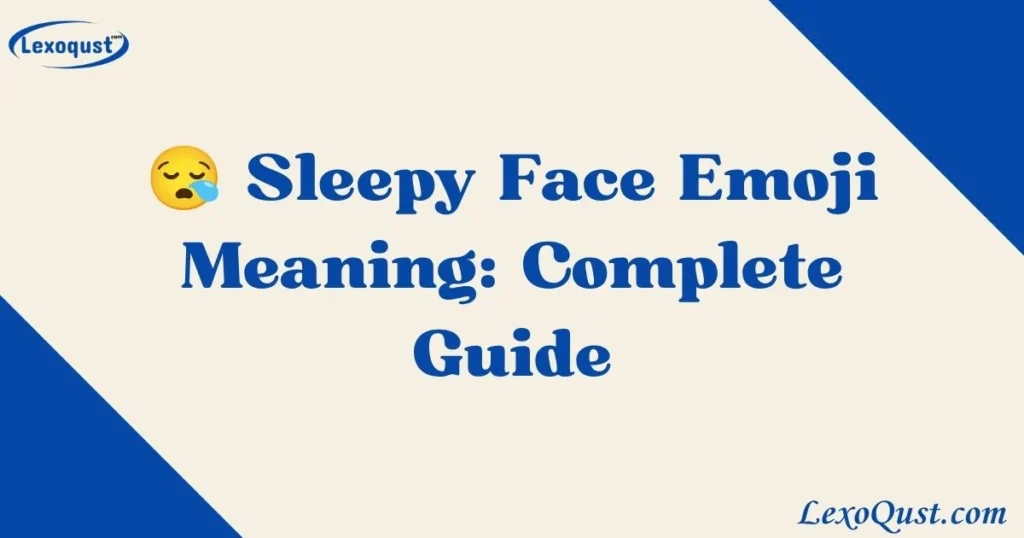
The 😪 Sleepy Face Emoji shows a face with closed eyes, a slightly tired expression, and a small blue bubble or droplet near the nose that represents sleep or exhaustion. Understanding the Sleepy Face Emoji Meaning helps people use it correctly in texts, captions, chats, and online conversations without confusion.
Key Points:
- The emoji displays a sleepy or exhausted facial expression.
- The blue droplet represents sleep, tiredness, or feeling worn out.
- It often appears in conversations about bedtime, rest, long days, or boredom.
- The emoji can express both real tiredness and playful emotions.
- Its design looks similar to classic cartoon signs of someone falling asleep.
Examples:
- “I worked all day 😪”
- “Need my coffee before I can function 😪”
- “Going to sleep early tonight 😪”
Extra Insights or Tips:
- Use 😪 when you want to show mild tiredness, not extreme sadness.
- Pair it with words to make your meaning clearer.
- Avoid using it in serious situations where someone may misunderstand your mood.
Key Takeaway:
The 😪 emoji visually represents sleepiness, exhaustion, and the need for rest in a simple way.
The Core Sleepy Face Emoji Meaning
The core Sleepy Face Emoji Meaning focuses on feelings of tiredness, drowsiness, and needing sleep. People commonly use this emoji when they feel low on energy, want to relax, or describe a sleepy moment.
Key Points:
- The emoji mainly means feeling tired or sleepy.
- It can show a desire to rest or go to bed.
- People use it after a busy day, late night, or exhausting activity.
- It may represent feeling lazy, relaxed, or mentally drained.
- Context changes the exact meaning behind the emoji.
Examples:
- “I stayed up watching movies until 3 AM 😪”
- “Monday mornings are difficult 😪”
Extra Insights or Tips:
- In casual chats, 😪 often means “I’m tired.”
- In funny conversations, it can exaggerate a dramatic sleepy mood.
- The surrounding words usually reveal the true emotion.
Key Takeaway:
The 😪 emoji usually communicates sleepiness and exhaustion, but the conversation context defines its deeper meaning.
Why People Love Using The 😪 Sleepy Face Emoji
People enjoy using the 😪 Sleepy Face Emoji because it adds emotion to simple messages. Instead of writing a long explanation, users can quickly show their mood through a familiar visual symbol.
Key Points:
- Emojis make conversations more expressive and personal.
- The sleepy face adds a funny or relatable touch.
- It helps people communicate emotions without extra words.
- Users enjoy it for memes, captions, and casual replies.
- It creates a friendly tone in digital communication.
Examples:
- “Another early meeting tomorrow 😪”
- “My brain stopped working after that exam 😪”
Extra Insights or Tips:
- Use 😪 with humor to make complaints feel lighter.
- Combine it with funny captions for social media posts.
- Emojis work best when they match your actual message.
Key Takeaway:
People love 😪 because it makes everyday feelings like tiredness easier and more entertaining to express.
Read more: Neutral Face Emoji Meaning: Uses & Examples
Sleepy Face Emoji Meaning In Daily Texting
In daily texting, the Sleepy Face Emoji Meaning often connects with everyday situations like being tired after work, waking up early, or wanting a break. Friends and family frequently use it to add emotion to normal conversations.
Key Points:
- It commonly means “I’m sleepy” or “I’m exhausted.”
- It appears in morning and night conversations.
- It can show a playful complaint about being tired.
- It helps messages sound warmer and more natural.
- It appears often in WhatsApp, Messenger, Instagram DMs, and Snapchat chats.
Examples:
- “I can barely keep my eyes open 😪”
- “Long day at school today 😪”
Extra Insights or Tips:
- Use 😪 with close friends for casual conversations.
- Avoid using it when you need to sound professional.
- Add words if the emoji alone may create confusion.
Key Takeaway:
In everyday texting, 😪 is a quick way to show sleepiness, tiredness, or a need for rest.
The Emotional Meaning Behind The 😪 Emoji
Beyond simple tiredness, the 😪 emoji can carry different emotional meanings depending on the situation. People often use it to express feelings that go beyond physical sleepiness.
Key Points:
- It can represent mental exhaustion after stress.
- It may show feeling overwhelmed or drained.
- Some people use it to express boredom.
- It can create a soft, relatable emotional tone.
- The meaning depends on the sender’s words and situation.
Examples:
- “This week has been too much 😪”
- “That meeting lasted forever 😪”
Extra Insights or Tips:
- Consider the full message before interpreting the emoji.
- A sleepy emoji does not always mean someone wants to sleep.
- It can express emotional fatigue as well as physical tiredness.
Key Takeaway:
The 😪 emoji can show emotional exhaustion, boredom, or tiredness depending on the conversation.
Using The 😪 Emoji To Show Boredom
Although the Sleepy Face Emoji Meaning mainly relates to sleepiness, many users also use 😪 to show boredom or lack of excitement. It works as a subtle way to say something feels dull or uninteresting.
Key Points:
- It can suggest a conversation that feels boring.
- It may show a lack of energy or enthusiasm.
- Friends often use it in playful complaints.
- It can make a boring situation sound funny.
- Tone and context determine whether it feels negative or humorous.
Examples:
- “That lecture was three hours long 😪”
- “Waiting for the bus forever 😪”
Extra Insights or Tips:
- Use it carefully because some people may see it as negative.
- Add humor to avoid sounding rude.
- Avoid using it when someone shares important news.
Key Takeaway:
The 😪 emoji can express boredom or low energy, but the context decides its meaning.
Read more: Smirking Face Emoji Meaning Explained: Your Complete Guide
Sleepy Face Emoji Meaning From A Girl
When a girl sends the 😪 Sleepy Face Emoji, it usually means she feels tired, sleepy, relaxed, or emotionally drained. However, the exact meaning depends on the conversation, relationship, and tone.
Key Points:
- She may simply be saying she feels sleepy.
- It can show she had a long or stressful day.
- Sometimes it adds a cute or playful feeling.
- It does not automatically indicate flirting.
- Her words provide the best clue about her intention.
Examples:
- “I need a nap right now 😪”
- “Today was exhausting 😪”
Extra Insights or Tips:
- Do not assume romantic meaning from one emoji.
- Look at the full conversation for context.
- Respond with kindness if she sounds tired.
Key Takeaway:
A girl using 😪 usually expresses sleepiness or tiredness, not a hidden message by itself.
Sleepy Face Emoji Meaning From A Guy
When a guy uses the 😪 Sleepy Face Emoji, he usually wants to show that he feels tired, drained, or ready to rest. Like any emoji, the meaning depends on his personality and the situation.
Key Points:
- He may be describing a busy or tiring day.
- It can show a relaxed, casual mood.
- Some guys use it as a funny reaction.
- It may appear after work, gaming, studying, or late nights.
- The emoji alone does not reveal romantic interest.
Examples:
- “Finally finished everything today 😪”
- “I stayed up too late again 😪”
Extra Insights or Tips:
- Focus on the message instead of guessing from the emoji alone.
- Reply naturally based on the conversation.
- Emojis work as emotional signals, not exact translations.
Key Takeaway:
A guy using 😪 usually communicates fatigue, sleepiness, or a relaxed mood in casual chats.
Sleepy Face Emoji Meaning From A Boy
When a boy sends the 😪 Sleepy Face Emoji, it usually expresses tiredness, sleepiness, or a relaxed mood. The Sleepy Face Emoji Meaning from a boy depends on the conversation, his personality, and the situation where he uses it.
Key Points:
- He may use 😪 to say he feels physically tired.
- It can show he had a busy day, long work hours, or little sleep.
- Some boys use it as a funny reaction in casual conversations.
- It may represent a calm or lazy mood.
- The emoji alone does not confirm flirting or romantic interest.
Examples:
- “I just got home from work 😪”
- “I stayed up gaming all night 😪”
- “I need a weekend to recover 😪”
Extra Insights or Tips:
- Look at his full message instead of only the emoji.
- A simple 😪 often means “I’m tired” rather than a hidden message.
- His usual texting style can help explain his intention.
Key Takeaway:
A boy using 😪 usually communicates sleepiness, exhaustion, or a relaxed feeling.
Read more: Flushed Face Emoji Meaning Made Easy to Understand
What Does 😪 Mean From A Girl?
The 😪 emoji from a girl usually shows that she feels sleepy, tired, exhausted, or emotionally drained. While some people look for hidden meanings behind emojis, the true interpretation depends on the conversation and relationship.
Key Points:
- She may simply be saying she needs rest or sleep.
- It can express tiredness after school, work, or a stressful day.
- Some girls use it to make a message feel cute or playful.
- It may show boredom or low energy.
- It does not automatically mean she is flirting.
Examples:
- “I’m so tired today 😪”
- “Need my beauty sleep now 😪”
- “This homework never ends 😪”
Extra Insights or Tips:
- Consider her words along with the emoji.
- Avoid assuming romantic feelings from one emoji.
- Respond naturally and show understanding if she sounds tired.
Key Takeaway:
When a girl sends 😪, it usually means she feels sleepy, tired, or needs a break.
What Does 😪 Mean From A Guy?
The 😪 emoji from a guy often represents fatigue, sleepiness, or a low-energy mood. Many guys use it casually in messages to describe their current condition without writing a long explanation.
Key Points:
- It commonly means “I’m tired” or “I need sleep.”
- It can appear after work, exercise, gaming, or studying.
- Some guys use it as a humorous reaction.
- It can show frustration with a tiring situation.
- The meaning changes depending on the topic being discussed.
Examples:
- “That meeting was endless 😪”
- “I woke up way too early today 😪”
Extra Insights or Tips:
- Do not overanalyze a single emoji.
- Check whether his message sounds serious, funny, or casual.
- Emojis support words but rarely replace them.
Key Takeaway:
A guy using 😪 generally shows tiredness, boredom, or a need for rest.
Sleepy Face Emoji Meaning At Work
In a workplace setting, the Sleepy Face Emoji Meaning often relates to long hours, busy schedules, early mornings, or feeling exhausted after a demanding task. However, professionals should use it carefully because emojis can change the tone of a message.
Key Points:
- It can show tiredness after a long workday.
- Employees may use it in casual team chats.
- It can make workplace conversations feel more friendly.
- It may express stress or a heavy workload.
- It is usually better for informal workplace communication.
Examples:
- “Finished the report finally 😪”
- “Monday morning meetings hit differently 😪”
Extra Insights or Tips:
- Use 😪 with coworkers you know well.
- Avoid it in formal emails or serious business messages.
- Pair it with clear words to prevent confusion.
Key Takeaway:
At work, 😪 usually adds a casual way to express fatigue or a busy schedule.
Read more: Leaves or Leafs: Correct Usage, Meaning & Grammar Guide
Sleepy Face Emoji Meaning Across Social Media Platforms
The Sleepy Face Emoji Meaning can slightly change across different social media platforms because users often adapt emojis to match online trends, humor, and communication styles.
| Platform | Common Meaning | Example |
| Tired mood, lazy moments, captions about rest | “Weekend recovery mode 😪” | |
| TikTok | Funny exhaustion, relatable reactions, dramatic tiredness | “Me after one hour of studying 😪” |
| Snapchat | Casual tired updates or daily moments | “Late night again 😪” |
| Personal chats showing sleepiness or stress | “I need a nap 😪” | |
| Discord | Gaming fatigue, late-night conversations | “Stayed up too late gaming 😪” |
Key Points:
- Social media users often use 😪 for humor and relatable content.
- The emoji appears frequently in captions and comments.
- Online communities use it to exaggerate tired feelings.
- Meaning depends on the platform’s culture and audience.
Examples:
- “When Monday arrives 😪”
- “After finishing a huge assignment 😪”
Extra Insights or Tips:
- Check the platform’s tone before interpreting the emoji.
- Social media often uses emojis in exaggerated ways.
- A funny post may use 😪 even without real tiredness.
Key Takeaway:
Across social platforms, 😪 commonly represents sleepiness, exhaustion, and relatable tired moments.
Cultural Meanings Behind The 😪 Emoji
The 😪 Sleepy Face Emoji Meaning can vary slightly between cultures because people express emotions differently online. In most places, the emoji connects with sleep, tiredness, and needing rest.
Key Points:
- Many cultures use it as a symbol of being sleepy.
- Some communities use it humorously after stressful events.
- It can represent a relaxed or lazy feeling.
- Online communication has made emoji meanings more universal.
- Personal and cultural context still affects interpretation.
Examples:
- “Long travel day 😪”
- “Finally finished exams 😪”
Extra Insights or Tips:
- Avoid assuming every user interprets emojis the same way.
- Cultural habits can influence emoji usage.
- Consider language and conversation style when reading emojis.
Key Takeaway:
The 😪 emoji has a widely understood meaning, but culture and context can slightly change its use.
😪 Sleepy Face Emoji Vs Similar Sleep Emojis
The 😪 Sleepy Face Emoji is often confused with other sleep-related emojis, but each one communicates a slightly different feeling. Understanding these differences helps users choose the right emoji.
Key Points:
- 😪 Sleepy Face: Shows tiredness, exhaustion, or drowsiness.
- 😴 Sleeping Face: Represents actual sleep or being asleep.
- 🥱 Yawning Face: Shows boredom, tiredness, or a yawn.
- 🌙 Crescent Moon: Represents nighttime, bedtime, or dreams.
- Each emoji creates a different emotional tone.
Examples:
- “I’m falling asleep 😪”
- “Goodnight, I’m sleeping 😴”
- “This class is making me tired 🥱”
Extra Insights or Tips:
- Use 😪 for feeling sleepy but still awake.
- Use 😴 when someone is already sleeping.
- Use 🥱 when boredom is part of the message.
Key Takeaway:
The 😪 emoji focuses on sleepiness and tiredness, while similar emojis express different sleep-related emotions.
When The 😪 Emoji Can Be Misunderstood
Although the Sleepy Face Emoji Meaning seems simple, people may misunderstand it because emojis depend heavily on tone and context. A message with 😪 can sometimes create confusion if the receiver interprets it differently.
Key Points:
- Some people may think it shows sadness instead of tiredness.
- It can appear rude if used during serious conversations.
- Others may mistake it for boredom or disinterest.
- The meaning changes based on the words around it.
- Different age groups may interpret emojis differently.
Examples:
- “That story was long 😪” may sound dismissive.
- “I’m exhausted today 😪” clearly shows tiredness.
Extra Insights or Tips:
- Add words when the meaning matters.
- Avoid using 😪 in sensitive discussions.
- Think about how the receiver may interpret your message.
Key Takeaway:
The 😪 emoji works best when the surrounding conversation clearly explains the intended emotion.
How And When To Use The 😪 Sleepy Face Emoji
The 😪 Sleepy Face Emoji works best when you want to express tiredness, sleepiness, exhaustion, or a need for rest. Knowing the right time to use it helps your messages feel more natural and prevents confusion.
Key Points:
- Use 😪 when you feel sleepy after a long day.
- It works well in casual chats with friends and family.
- Use it for funny reactions about being tired.
- It can show low energy or a relaxed mood.
- It fits well in captions, comments, and personal messages.
Examples:
- “I stayed awake all night studying 😪”
- “Finally finished my work for today 😪”
- “Early mornings are not for me 😪”
Extra Insights or Tips:
- Pair 😪 with words when the meaning needs clarity.
- Use it in informal conversations rather than serious situations.
- Match the emoji with your actual mood.
Key Takeaway:
Use 😪 when you want to show sleepiness, tiredness, or a playful exhausted feeling.
How To Reply To The 😪 Emoji In Text Messages
When someone sends the 😪 emoji, your reply should match the conversation and their mood. A good response can show care, humor, or understanding depending on the situation.
Key Points:
- Respond with kindness if someone sounds exhausted.
- Use humor when the conversation feels playful.
- Ask if they need rest or a break.
- Match their casual texting style.
- Avoid assuming the exact meaning without context.
Examples:
- “You need some sleep 😴”
- “Long day? Get some rest!”
- “Same, I’m running on zero energy 😪”
Extra Insights or Tips:
- A supportive reply works better than ignoring the emoji.
- Add another emoji to create a friendly tone.
- Keep responses natural and connected to the conversation.
Key Takeaway:
Reply to 😪 by showing understanding, humor, or support based on the situation.
Read more: Sheath or Sheathe: Meaning, Difference & Usage Guide
Do’s And Don’ts Of Using The 😪 Emoji
Using the 😪 Sleepy Face Emoji correctly helps you communicate your emotions clearly. Like other emojis, it works best when the timing and context match the message.
Key Points:
Do’s:
- Use 😪 to express genuine tiredness.
- Add it to funny or relatable posts.
- Use it in casual conversations.
- Combine it with words for clearer meaning.
Don’ts:
- Do not use it during serious discussions.
- Avoid sending it when someone shares important news.
- Do not use it repeatedly to annoy others.
- Avoid using it in formal business messages.
Examples:
- “After that workout, I’m done 😪”
- “Need coffee before anything happens 😪”
Extra Insights or Tips:
- Think about the receiver before using emojis.
- A simple emoji can change the tone of a message.
- Context always matters more than the emoji itself.
Key Takeaway:
Use 😪 naturally and avoid situations where it may create the wrong impression.
Is The 😪 Sleepy Face Emoji Rude Or Polite?
The 😪 Sleepy Face Emoji is generally considered friendly and casual, not rude or offensive. However, its meaning can change depending on the conversation and how someone interprets it.
Key Points:
- It usually shows tiredness in a harmless way.
- Friends often use it as a relatable reaction.
- It can sound dismissive in serious conversations.
- Professional settings may require more careful emoji choices.
- Tone and wording decide whether it feels polite.
Examples:
- “I’m tired after today’s tasks 😪” sounds normal.
- “That was boring 😪” may sound less respectful.
Extra Insights or Tips:
- Use 😪 with people who understand your communication style.
- Avoid using it as a response to someone’s achievement or serious message.
- Add positive words to make the tone warmer.
Key Takeaway:
The 😪 emoji is usually polite and casual, but context determines how people receive it.
Funny Ways To Use The 😪 Sleeping Emoji
The 😪 Sleeping Emoji can add humor to everyday situations by making tired moments feel more dramatic and relatable. Many people use it in jokes, memes, captions, and social media posts.
Key Points:
- Use it to exaggerate everyday exhaustion.
- Add it to funny complaints.
- Create relatable jokes about work, school, or responsibilities.
- Pair it with dramatic statements for humor.
- Use it in playful conversations.
Examples:
- “Me after answering one email 😪”
- “My brain after Monday morning 😪”
- “I need a vacation from my vacation 😪”
Extra Insights or Tips:
- Funny emoji usage works best when it feels relatable.
- Combine 😪 with creative captions for social media.
- Avoid making jokes about serious tiredness or health issues.
Key Takeaway:
The 😪 emoji becomes funnier when it turns everyday tired moments into relatable humor.
Read more: Realize or Realise: Meaning, Difference & Usage Guide
What Does “Sleepy Eyes Emoji” Mean?
The term Sleepy Eyes Emoji usually refers to emojis that show tired eyes, drowsiness, or a sleepy mood, including the 😪 Sleepy Face Emoji. People often search this phrase because they want to understand the emotional meaning behind tired-looking emoji expressions.
Key Points:
- It represents feelings of sleepiness or exhaustion.
- It can show someone needs rest.
- It may express boredom or low energy.
- Different sleep emojis have slightly different meanings.
- The surrounding message explains the intended emotion.
Examples:
- “Can’t stay awake today 😪”
- “I’m ready for bed 😴”
Extra Insights or Tips:
- “Sleepy eyes” does not always mean someone is actually sleeping.
- Online users often use it as a mood expression.
- Check the exact emoji design before interpreting it.
Key Takeaway:
The Sleepy Eyes Emoji generally represents tiredness, drowsiness, or a sleepy mood.
Why The 😪 Sleepy Face Emoji Continues To Grow In Popularity
The 😪 Sleepy Face Emoji continues to grow in popularity because digital conversations rely on quick emotional expressions. People use emojis to add personality, humor, and feelings to short messages.
Key Points:
- Emojis make online communication faster and easier.
- 😪 connects with common experiences like tired mornings.
- Social media trends increase emoji usage.
- It works well in memes and relatable content.
- Younger audiences often use emojis creatively.
Examples:
- “Me trying to wake up on Monday 😪”
- “After finishing a huge project 😪”
Extra Insights or Tips:
- Emojis remain popular because they add emotional meaning.
- Relatable emotions help emojis stay relevant.
- Simple expressions often become internet trends.
Key Takeaway:
The 😪 emoji remains popular because it represents a feeling almost everyone understands: being tired.
Is The 😪 Sleepy Face Emoji Still Popular? Trends & Online Usage
The 😪 Sleepy Face Emoji remains a commonly used emoji in online conversations, especially when people share relatable moments about sleep, stress, busy schedules, and daily struggles. Its simple meaning makes it easy to understand across platforms.
Key Points:
- Users continue using 😪 in chats and social media posts.
- It appears often in humorous and relatable content.
- The emoji fits modern online communication styles.
- It remains useful because tiredness is a universal feeling.
- People use it across messaging apps and social networks.
Examples:
- “Another late night 😪”
- “My energy level today 😪”
Extra Insights or Tips:
- Trending emojis often stay popular because they express common emotions.
- 😪 works well with captions, memes, and reactions.
- Its meaning remains clear even across different online communities.
Key Takeaway:
The 😪 Sleepy Face Emoji stays popular because it delivers a simple, relatable message of tiredness and rest.
Read more: Knaw or Gnaw Meaning, Spelling & Usage Guide
FAQs
1. What Does The 😪 Sleepy Face Emoji Mean?
The 😪 Sleepy Face Emoji Meaning usually represents sleepiness, tiredness, exhaustion, or needing rest. People use it in texts and social media to show they feel low on energy, had a long day, or want to sleep.
2. Is The 😪 Sleepy Face Emoji Different From The 😴 Sleeping Face Emoji?
Yes, both emojis have different meanings. The 😪 Sleepy Face Emoji shows someone feeling tired or drowsy, while the 😴 Sleeping Face Emoji usually means someone is already asleep or going to bed.
3. What Does 😪 Mean In Texting?
In texting, 😪 means “I’m tired,” “I need sleep,” or “I’m exhausted.” Friends often use it in casual conversations, funny messages, and replies after a busy day.
4. What Does The 😪 Emoji Mean From A Girl?
When a girl sends the 😪 emoji, it usually means she feels sleepy, tired, or drained. The exact meaning depends on the conversation, so it does not automatically suggest flirting or a hidden message.
5. What Does The 😪 Emoji Mean From A Guy?
A guy using 😪 commonly expresses fatigue, boredom, or needing rest. He may use it after work, studying, gaming, or a long day to show his current mood.
6. Is The 😪 Sleepy Face Emoji Rude?
The 😪 Sleepy Face Emoji is generally not rude. It usually creates a friendly and casual tone, but using it during serious conversations may confuse others or make the message seem less respectful.
7. How Should I Reply To The 😪 Emoji?
You can reply to 😪 with a supportive or playful message, such as “Get some rest”, “Long day?”, or “Same, I’m exhausted too.” Choose your response based on the conversation context.
8. Why Is The 😪 Sleepy Face Emoji Popular?
The 😪 Sleepy Face Emoji remains popular because tiredness is a universal feeling. People use it in memes, captions, chats, and social media posts to share relatable moments in a quick and expressive way.
Conclusion
Sleepy Face Emoji Meaning helps you understand how 😪 expresses tiredness, sleepiness, exhaustion, boredom, and the need for rest in digital conversations. Throughout this guide, you learned how people use the Sleepy Face Emoji in texts, captions, social media posts, and everyday chats while exploring different meanings based on context.
Use this emoji when you want to show a relaxed or tired mood, but always consider your audience and message tone. A helpful tip is to combine 😪 with clear words when you want to avoid misunderstandings. Understanding emoji meanings makes online communication more expressive, friendly, and accurate. A simple 😪 can say a lot when you use it with the right message and moment.

Hi! I’m Amelia Ashford, the admin of Lexoqust.com. Here, we dive deep into the world of synonyms to help you express yourself better.From everyday words to advanced vocabulary, Lexoqust makes your writing richer and more refined.