
Finding the right words can instantly transform how your message feels to a reader. In creative writing, professional essays, or even personal letters, thoughtful word choice adds clarity, emotion, and personality.
A simple phrase like “My House” may sound neutral, but replacing it with a more expressive, warm, or humorous alternative can make your writing far more engaging and memorable. This guide explores Funny Ways to Say “My House”, helping writers add voice, tone, and authentic expression to their communication.
Whether you want playful language, relatable humor, or creative phrasing, the upcoming list of 33 unique alternatives will inspire you to refine your writing style with confidence and charm.
1. My Humble Abode
Meaning: Suggests a modest, welcoming home described with light humor or humility.
Definition: A playful phrase used to downplay ownership while adding warmth.
Tone: Humble, friendly, lighthearted.
Example: Feel free to stop by my humble abode this weekend.
Explanation: This phrase softens the statement and makes the writer sound approachable and relatable.
Purpose and Personalization: Use it to avoid sounding boastful. Adjust humor or simplicity depending on whether your writing is casual or semi-formal.
2. Casa Me
Meaning: Implies a personal, slightly playful way of referring to one’s home.
Definition: A casual, stylized phrase blending English and Spanish influence.
Tone: Playful, informal, modern.
Example: Everyone’s invited over to Casa Me for movie night.
Explanation: It adds personality and cultural flair, making the writing feel relaxed and conversational.
Purpose and Personalization: Ideal for blogs or social writing. You can tweak it to match cultural context or audience familiarity.
3. My Happy Hideout
Meaning: Conveys a home as a personal retreat full of comfort and joy.
Definition: A phrase highlighting emotional safety and happiness.
Tone: Warm, cheerful, comforting.
Example: After a long day, I love returning to my happy hideout.
Explanation: It emphasizes emotional connection rather than physical space, engaging readers on a personal level.
Purpose and Personalization: Use when focusing on feelings or lifestyle writing. Adjust adjectives to match mood or theme.
4. The Home Base
Meaning: Suggests a central place of return and stability.
Definition: A metaphor for one’s primary living space.
Tone: Confident, familiar, grounding.
Example: No matter how far I travel, the home base always calls me back.
Explanation: This phrase feels dependable and universal, making it easy for readers to relate.
Purpose and Personalization: Great for narrative or reflective writing. Modify context to fit personal or professional tone.
5. My Cozy Corner
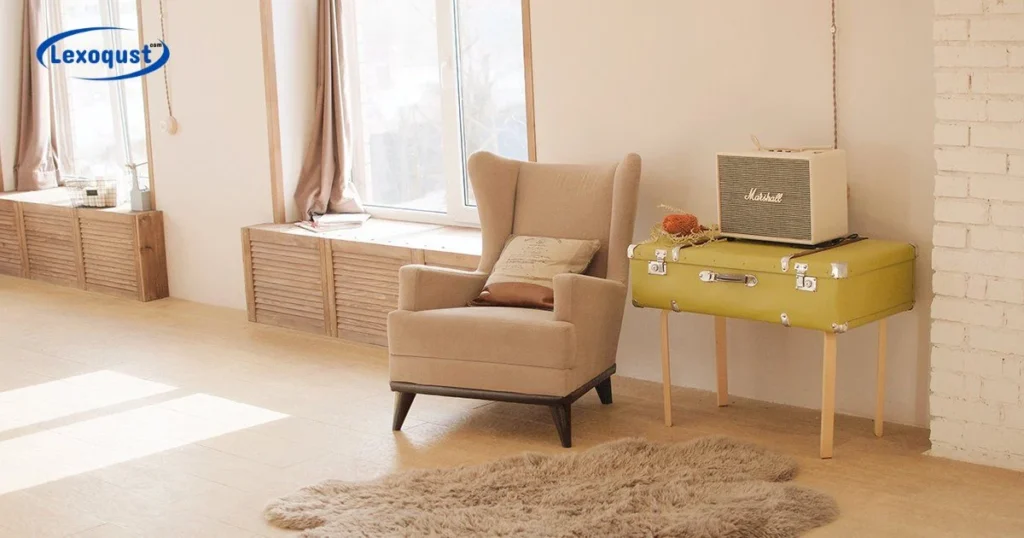
Meaning: Highlights comfort and intimacy within a home.
Definition: A descriptive phrase focusing on warmth and small-scale comfort.
Tone: Gentle, soothing, inviting.
Example: I enjoy reading in my cozy corner every evening.
Explanation: It paints a vivid picture that helps readers imagine the space emotionally.
Purpose and Personalization: Perfect for descriptive or lifestyle content. Adjust imagery based on audience expectations.
6. The Casa of Chaos
Meaning: Playfully suggests a lively, messy, or energetic household.
Definition: A humorous label for a busy home environment.
Tone: Humorous, self-aware, casual.
Example: With kids and pets, our place is truly the casa of chaos.
Explanation: Humor builds connection by acknowledging imperfection in an honest way.
Purpose and Personalization: Use to add relatability. Tone can be softened or exaggerated depending on audience.
Read More: Funny Ways to Say “One Night Stand”
7. My Little Kingdom
Meaning: Implies pride and personal control over one’s space.
Definition: A metaphor presenting home as a personal domain.
Tone: Proud, playful, confident.
Example: In my little kingdom, comfort rules above all else.
Explanation: It empowers the writer’s voice while remaining lighthearted.
Purpose and Personalization: Works well in creative writing. Adjust formality by reducing metaphor if needed.
8. The Family Fortress
Meaning: Suggests protection, unity, and family-centered strength.
Definition: A metaphorical phrase emphasizing security and togetherness.
Tone: Protective, warm, reassuring.
Example: The family fortress is where we feel safest together.
Explanation: It appeals to shared values, making writing emotionally resonant.
Purpose and Personalization: Ideal for family-oriented content. Modify intensity to suit emotional depth.
9. My Comfort Cave

Meaning: Describes a private, comforting space away from the outside world.
Definition: A casual metaphor for personal relaxation space.
Tone: Relaxed, informal, cozy.
Example: Weekends are best spent in my comfort cave.
Explanation: This phrase feels intimate and modern, appealing to readers seeking relatability.
Purpose and Personalization: Use in casual or lifestyle writing. Adjust wording for professionalism if needed.
10. The Chill Zone
Meaning: Emphasizes relaxation and low-stress living.
Definition: A casual term for a laid-back home environment.
Tone: Relaxed, upbeat, informal.
Example: After work, the chill zone helps me unwind.
Explanation: It instantly sets a mood, helping readers feel the atmosphere.
Purpose and Personalization: Great for modern or youth-focused writing. You can swap slang to suit different audiences.
11. My Everyday Escape
Meaning: Suggests a home as a personal retreat from daily stress and routine.
Definition: A phrase used to describe one’s house as a comforting and restorative space.
Tone: Warm, relatable, and reflective.
Example: After long workdays, my everyday escape is where I finally unwind.
Explanation: This phrase connects emotionally with readers by framing home as a safe, peaceful refuge.
Purpose and Personalization: Use it to add emotional depth and human warmth. Adjust the wording to suit reflective essays or relaxed personal writing.
12. The Nest
Meaning: Implies safety, care, and a sense of belonging within the home.
Definition: A metaphor describing a home as a protected and nurturing environment.
Tone: Comforting, affectionate, and intimate.
Example: I spent the weekend relaxing in the nest, away from the noise of the city.
Explanation: The metaphor resonates with readers by evoking feelings of security and emotional grounding.
Purpose and Personalization: Ideal for personal narratives or family-focused writing. Adapt it for softer or more poetic tones.
13. My Personal Palace

Meaning: Highlights pride and ownership, often with playful exaggeration.
Definition: A humorous phrase portraying one’s home as a place of importance and self-worth.
Tone: Playful, confident, and lighthearted.
Example: Welcome to my personal palace—shoes off, snacks on the table.
Explanation: This phrase adds charm and humor, helping readers connect with the writer’s personality.
Purpose and Personalization: Use it to express confidence or humor. Modify the exaggeration level to match casual or creative content.
14. The Roof Over My Head
Meaning: Emphasizes gratitude and basic shelter rather than luxury.
Definition: A phrase acknowledging home as a fundamental necessity.
Tone: Humble, grateful, and grounded.
Example: I may not have much, but I’m thankful for the roof over my head.
Explanation: It resonates through sincerity, reminding readers of appreciation and realism.
Purpose and Personalization: Best for reflective, social, or real-life storytelling. Adjust tone based on seriousness or empathy.
15. My Home Sweet Mess
Meaning: Celebrates imperfection while expressing affection for home life.
Definition: A phrase describing a lived-in home filled with personality and chaos.
Tone: Humorous, honest, and relatable.
Example: Toys everywhere, dishes stacked—welcome to my home sweet mess.
Explanation: This phrase humanizes the writer, creating instant relatability with readers.
Purpose and Personalization: Use it to show authenticity. Adapt humor levels for blogs, memoirs, or informal writing.
16. The Crash Pad
Meaning: Portrays home as a simple place to rest and recharge.
Definition: A casual term for a residence used mainly for sleeping or downtime.
Tone: Relaxed, informal, and modern.
Example: After the trip, I headed back to my crash pad for some rest.
Explanation: Its casual nature makes writing feel conversational and approachable.
Purpose and Personalization: Ideal for contemporary, urban, or youth-focused writing. Adjust slang level for audience fit.
Read More: Funny Ways to Say “Ouch”
17. My Domestic Headquarters
Meaning: Frames home as the central hub of daily life and decision-making.
Definition: A creative phrase positioning home as an operational base.
Tone: Playful, structured, and clever.
Example: All weekend plans were coordinated from my domestic headquarters.
Explanation: This phrase adds wit while emphasizing organization and control.
Purpose and Personalization: Use it in creative nonfiction or light business-style writing. Modify for humor or professionalism.
18. The Living Quarters
Meaning: Focuses on function and space rather than emotion.
Definition: A neutral term for the area where someone resides.
Tone: Straightforward, neutral, and descriptive.
Example: The living quarters are small but efficiently designed.
Explanation: Its clarity suits readers who prefer precision over sentiment.
Purpose and Personalization: Ideal for technical, informational, or formal writing. Add descriptors for warmth if needed.
19. My Cozy Castle
Meaning: Combines comfort with a sense of personal pride.
Definition: A playful phrase presenting home as both secure and inviting.
Tone: Whimsical, warm, and affectionate.
Example: Rainy evenings are best spent in my cozy castle.
Explanation: The imagery draws readers in, making the space feel welcoming and imaginative.
Purpose and Personalization: Perfect for creative writing or lifestyle blogs. Adjust imagery for subtle or vivid expression.
20. The Homestead
Meaning: Conveys stability, tradition, and long-term belonging.
Definition: A term describing a home tied to roots and permanence.
Tone: Grounded, nostalgic, and thoughtful.
Example: Every holiday brings us back to the homestead.
Explanation: It appeals to readers through emotional history and continuity.
Purpose and Personalization: Use it for heritage, family, or reflective narratives. Adapt formality based on context.
21. My Safe Haven
Meaning: Implies a place of comfort, security, and emotional peace.
Definition: A phrase used to describe one’s home as a refuge from stress or outside pressures.
Tone: Warm, reassuring, thoughtful
Example: After a long day, I couldn’t wait to return to my safe haven.
Explanation: This phrase works well because it highlights the emotional value of home, helping readers connect with a sense of calm and protection.
Purpose and Personalization: Use this phrase to create emotional depth in personal or reflective writing. Adjust it by adding descriptive details to match a gentle, sentimental, or introspective tone.
22. The Place I Call Home

Meaning: Suggests belonging, identity, and personal attachment.
Definition: A phrase that emphasizes emotional ownership rather than physical space.
Tone: Sincere, heartfelt, reflective
Example: This small apartment is truly the place I call home.
Explanation: It encourages readers to focus on emotional connection, not size or structure.
Purpose and Personalization: Ideal for narrative writing or personal essays. Personalize it by pairing with memories or experiences to enhance authenticity.
23. My Personal Space
Meaning: Conveys individuality, boundaries, and self-expression.
Definition: A term highlighting a home as a private, self-defined environment.
Tone: Calm, confident, self-aware
Example: My personal space reflects who I am and how I live.
Explanation: This phrase appeals to readers who value independence and self-identity.
Purpose and Personalization: Use it in modern, lifestyle, or opinion-based writing. Adapt it by adding creative or minimalist details depending on tone.
24. The Pad
Meaning: Implies a casual, modern take on one’s home.
Definition: An informal slang term for a living space.
Tone: Relaxed, playful, conversational
Example: We’re hanging out at my pad this weekend.
Explanation: This phrase adds humor and relatability, making writing feel more natural.
Purpose and Personalization: Best for lighthearted blogs or casual storytelling. Adjust formality based on audience expectations.
25. My Resting Spot
Meaning: Emphasizes rest, recovery, and personal downtime.
Definition: A phrase describing home as a place to relax and recharge.
Tone: Peaceful, gentle, soothing
Example: My resting spot helps me reset after busy days.
Explanation: It resonates with readers seeking balance and mental comfort.
Purpose and Personalization: Useful in wellness or reflective content. Customize with sensory language to enhance calmness.
26. The Home Front
Meaning: Suggests responsibility, family life, and daily routines.
Definition: A phrase that frames home as the center of personal or family activity.
Tone: Responsible, grounded, practical
Example: Life on the home front keeps me focused and motivated.
Explanation: This phrase adds structure and realism to writing.
Purpose and Personalization: Effective in memoirs or family-focused articles. Adapt tone to be formal or conversational.
27. My Everyday Den
Meaning: Implies familiarity, comfort, and daily living.
Definition: A creative phrase describing home as a regular, lived-in space.
Tone: Cozy, friendly, approachable
Example: My everyday den is where routines feel comforting.
Explanation: It humanizes the concept of home, making it relatable.
Purpose and Personalization: Ideal for blog writing or creative nonfiction. Add personality through descriptive details.
28. The House of Me

Meaning: Highlights self-expression and individuality.
Definition: A metaphorical phrase portraying home as an extension of the self.
Tone: Expressive, creative, introspective
Example: Every corner reflects the house of me.
Explanation: This phrase invites readers into the writer’s personal world.
Purpose and Personalization: Best for artistic or personal branding content. Modify tone with humor or depth.
29. My Comfort Zone
Meaning: Represents emotional safety and familiarity.
Definition: A phrase describing home as a place of ease and reassurance.
Tone: Reassuring, soft, emotionally grounded
Example: My comfort zone helps me feel centered.
Explanation: It connects with readers who value emotional stability.
Purpose and Personalization: Use in motivational or reflective writing. Adjust tone to be nurturing or confident.
30. The Main Base
Meaning: Suggests stability and a central point of return.
Definition: A phrase portraying home as a primary hub or anchor.
Tone: Confident, structured, practical
Example: No matter where I go, the main base keeps me grounded.
Explanation: This phrase reinforces a sense of reliability and order.
Purpose and Personalization: Suitable for professional storytelling or travel writing. Tailor language to fit formal or casual contexts.
31. My Little Spot
Meaning: Suggests a cozy, personal, and comfortable place the writer feels connected to.
Definition: A casual phrase used to describe one’s home in a warm and approachable way.
Tone: Friendly, relaxed, and inviting.
Example: After a long day, I love unwinding at my little spot with a cup of tea.
Explanation: This phrase works well because it creates a sense of intimacy and authentic voice, helping readers feel closer to the writer’s experience.
Purpose and Personalization: Use this phrase to add charm and relatability to informal writing. Adjust it with adjectives like quiet, humble, or favorite to match your personal tone or storytelling style.
32. The Residence
Meaning: Implies a formal or official living place, often used in structured writing.
Definition: A polished term for a person’s home or dwelling.
Tone: Professional, neutral, and composed.
Example: The meeting will be held at the residence later this evening.
Explanation: This phrase adds clarity and authority, making it effective in academic, legal, or formal contexts where precision matters.
Purpose and Personalization: Ideal for reports, essays, or formal narratives. Personalize by pairing it with descriptors like primary or private to maintain clarity without sounding cold.
33. My Four Walls

Meaning: Conveys a sense of privacy, reflection, or personal space.
Definition: A figurative expression referring to one’s home environment.
Tone: Thoughtful, introspective, and personal.
Example: Spending time within my four walls helped me regain focus.
Explanation: The phrase resonates emotionally by highlighting solitude and inner experience, which strengthens reader connection.
Purpose and Personalization: Use it to express self-reflection or emotional depth. Adapt it by adding context to suit reflective essays or personal narratives.
34. The Staycation Station
Meaning: Suggests a fun, relaxing home used as a vacation substitute.
Definition: A playful phrase describing one’s home as a comfort and leisure space.
Tone: Humorous, lighthearted, and creative.
Example: This weekend, I’m enjoying life at the staycation station.
Explanation: Its catchy rhythm makes writing more engaging, instantly setting a cheerful and modern mood.
Purpose and Personalization: Perfect for blogs or casual content. Modify the phrase to reflect your humor style or audience expectations.
35. My Living Situation

Meaning: Refers to the current state or setup of one’s home life.
Definition: A neutral phrase describing a person’s housing arrangement.
Tone: Matter-of-fact, clear, and honest.
Example: My work schedule has changed my living situation recently.
Explanation: This phrase is effective because it maintains clarity without emotional bias, keeping the focus on facts.
Purpose and Personalization: Use it in explanatory or informative writing. Personalize by adding context or descriptors to align with the article’s tone or intent.
Conclusion
Choosing funny ways to say “My House” proves that even the simplest phrases can shape connection, tone, and personality in writing. Thoughtful word choice turns everyday language into memorable expressions, helping your message feel more human and authentic.
I’ve shared these creative alternatives to support your writing growth and spark confidence in your voice. Whether you’re crafting academic papers, blog posts, or personal letters, playful and precise phrasing adds warmth and clarity. Now it’s your turn to experiment with these humorous home expressions, adapt them to your style, and let your writing feel more alive, relatable, and genuinely yours.

Hi! I’m Amelia Ashford, the admin of Lexoqust.com. Here, we dive deep into the world of synonyms to help you express yourself better.From everyday words to advanced vocabulary, Lexoqust makes your writing richer and more refined.