When it comes to writing with impact, the words you choose can make all the difference.
Simple expressions like “Ouch” often convey basic reactions, but they can be replaced with more creative, expressive, and memorable alternatives that add personality to your essays, reports, or personal letters.
Using the right phrasing not only captures the reader’s attention but also enhances your communication skills and writing style. In this post, we explore 33 funny ways to say “Ouch”, giving you a toolbox of playful, emotive, and nuanced expressions to make your writing more engaging and authentic.
1. Yikes! That Hurt
Meaning: Expresses sudden surprise or discomfort.
Definition: A quick, informal reaction to pain or shock.
Tone: Playful and startled.
Example: Yikes! That hurt more than I expected when I bumped my elbow.
Explanation: Using “Yikes!” adds humor and relatability, making the reader feel your reaction naturally.
Purpose and Personalization: Ideal for lighthearted or conversational writing. Adjust the intensity based on your audience’s familiarity with casual expressions.
2. Whoa, That’s Painful
Meaning: Highlights unexpected or intense discomfort.
Definition: A mild exclamation showing surprise and pain simultaneously.
Tone: Concerned yet casual.
Example: Whoa, that’s painful! Be careful with that knife.
Explanation: This phrase communicates immediacy, helping readers visualize the experience.
Purpose and Personalization: Works well in storytelling or personal narratives; tone can be softened or intensified for humor or drama.
3. Oof! That Stung
Meaning: Shows a quick, sharp reaction to sudden pain.
Definition: An informal exclamation for brief but noticeable discomfort.
Tone: Casual and slightly humorous.
Example: Oof! That stung when I touched the hot pan.
Explanation: Short and punchy, “Oof!” grabs attention and mirrors natural speech.
Purpose and Personalization: Perfect for adding realism to dialogue or blogs. Pair with context to emphasize the reaction’s intensity.
4. Holy Smokes, My Hand
Meaning: Expresses astonishment combined with physical pain.
Definition: A more exaggerated, expressive reaction.
Tone: Dramatic and playful.
Example: Holy smokes, my hand! That paper cut was unexpected.
Explanation: The exaggeration engages readers, making writing vivid and memorable.
Purpose and Personalization: Suitable for informal or humorous pieces; tone can be dialed up or down for comedic effect.
Related:
5. Eek! That Sliced Me
Meaning: Conveys sudden alarm and pain simultaneously.
Definition: Quick exclamation used for sharp or cutting sensations.
Tone: Frightened and playful.
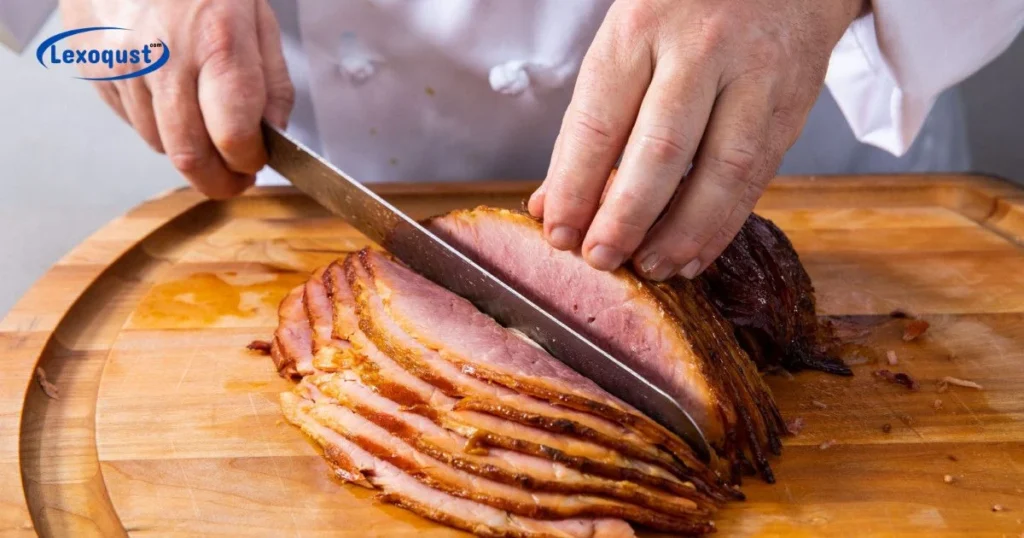
Example: Eek! That sliced me while chopping vegetables.
Explanation: Combines surprise and pain, keeping readers engaged and empathetic.
Purpose and Personalization: Effective in children’s writing or casual storytelling; can be softened for adult humor or dramatized for tension.
6. Ahhh! My Finger
Meaning: Expresses immediate physical discomfort.
Definition: A spontaneous cry signaling pain.
Tone: Dramatic yet relatable.
Example: Ahhh! My finger got pinched in the door!
Explanation: Simple and expressive, it makes the writing feel authentic.
Purpose and Personalization: Works in personal narratives or blogs; add descriptive context to heighten reader empathy.
7. Owie, That Smarts
Meaning: A childlike expression of mild pain.
Definition: Informal way to describe something that causes discomfort.
Tone: Lighthearted and affectionate.
Example: Owie, that smarts! I scraped my knee while running.
Explanation: Using “Owie” evokes playfulness and relatability, perfect for softer narratives.
Purpose and Personalization: Great for storytelling aimed at families or casual audiences; tone can be made humorous or tender.
8. Yowza! That Pinched
Meaning: Highlights unexpected, sharp discomfort.
Definition: Exaggerated reaction to sudden pain.
Tone: Energetic and playful.
Example: Yowza! That pinched when I grabbed the zipper.
Explanation: Adds excitement and emotion, keeping readers visually engaged.
Purpose and Personalization: Ideal for humorous or expressive writing; can be adapted for dramatic or comic storytelling.
9. Gosh, That Was Sharp
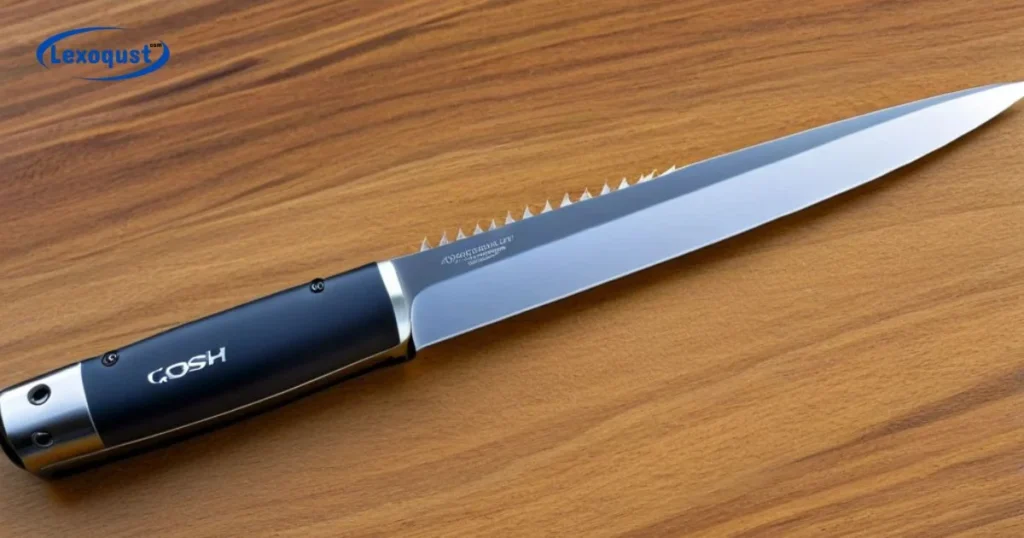
Meaning: Conveys surprise at a sudden, intense sensation.
Definition: A polite, mild exclamation showing discomfort.
Tone: Gentle and expressive.
Example: Gosh, that was sharp! I didn’t notice the edge of the table.
Explanation: Offers a subtle reaction, making writing feel sincere without exaggeration.
Purpose and Personalization: Works for professional or semi-formal content; tone can be made more playful for casual writing.
10. Oh No, My Toe
Meaning: Expresses immediate distress over minor injury.
Definition: Simple exclamation signaling pain and concern.
Tone: Relatable and slightly humorous.
Example: Oh no, my toe! I stubbed it on the chair.
Explanation: Provides a natural, human reaction that readers can empathize with.
Purpose and Personalization: Perfect for casual blogs or personal stories; tone can be humorous, dramatic, or sincere depending on context.
Read more: Funny Ways to Say “No Comment”
11. Ack! That Burned
Meaning: Expresses sudden, sharp discomfort or pain in a playful way.
Definition: A quick exclamation signaling immediate impact or reaction.
Tone: Lighthearted, humorous, slightly dramatic.
Example: Ack! That burned when I accidentally touched the hot pan.
Explanation: This phrase adds personality and exaggeration, making reactions more vivid for the reader.
Purpose and Personalization: Use to inject humor or dramatize an event; adjust the intensity to match your audience or narrative style.
12. Egads! That Hurt Bad
Meaning: Conveys surprise combined with discomfort.
Definition: An exclamatory phrase showing both shock and pain.
Tone: Exaggerated, comic, energetic.
Example: Egads! That hurt bad when I tripped on the stairs.
Explanation: The word “Egads” captures attention and adds a playful, old-fashioned flair.
Purpose and Personalization: Ideal for creative or informal writing; can be softened for casual tones or amplified for dramatic storytelling.
13. Ooh, That’s a Throb
Meaning: Indicates lingering or pulsing pain.
Definition: Highlights a recurring sensation, often physical or emotional.
Tone: Expressive, reflective, slightly humorous.
Example: Ooh, that’s a throb in my ankle after the long hike.
Explanation: Using “throb” emphasizes ongoing discomfort, helping readers empathize with the experience.
Purpose and Personalization: Effective for descriptive writing; tweak wording to match either a humorous or serious narrative.
14. Whoops! That Bruised
Meaning: Acknowledges minor pain from an accident or mistake.
Definition: Casual exclamation for an unexpected bump or injury.
Tone: Playful, light, forgiving.
Example: Whoops! That bruised my elbow when I hit the door.
Explanation: Adds a relatable and friendly touch, softening the impact of the event.
Purpose and Personalization: Perfect for informal writing or storytelling; tone can shift to more dramatic if context demands.
15. Snap! That Was Rough
Meaning: Expresses a sudden, unpleasant experience.
Definition: A sharp exclamation signaling discomfort or difficulty.
Tone: Emphatic, slightly humorous, conversational.
Example: Snap! That was rough hitting my head on the shelf.
Explanation: “Snap” makes reactions immediate and memorable for the reader.
Purpose and Personalization: Use to create vivid storytelling; adjust intensity for humor or realism.
16. Crikey! That Stings

Meaning: Conveys surprise at sudden pain.
Definition: Informal exclamation emphasizing a sharp sensation.
Tone: Energetic, playful, informal.
Example: Crikey! That stings when the lemon juice hits the cut.
Explanation: “Crikey” adds regional flavor and personality, engaging readers.
Purpose and Personalization: Great for casual or conversational writing; tone can be heightened for humor or toned down for subtle emphasis.
17. Blimey! That Hurts
Meaning: Reacts to discomfort with surprise.
Definition: An exclamatory British phrase indicating sudden pain.
Tone: Dramatic, lighthearted, expressive.
Example: Blimey! That hurt when I stubbed my toe.
Explanation: Adds colorful personality and emotional resonance, capturing attention.
Purpose and Personalization: Useful in storytelling or informal essays; can be adapted for different audiences by adjusting intensity.
See also: Funny Ways to Say “Unemployed”
18. Owwie, My Arm
Meaning: Expresses childlike or playful pain.
Definition: A soft, informal way to show minor discomfort.
Tone: Cute, endearing, humorous.
Example: Owwie, my arm! I fell while climbing the tree.
Explanation: Adds warmth and relatability, making writing approachable.
Purpose and Personalization: Works well in friendly narratives or lighthearted contexts; tone can be modified for comedic exaggeration.
19. Jeez! That Smarts
Meaning: Highlights sharp or surprising pain.
Definition: Informal expression showing discomfort or irritation.
Tone: Casual, emphatic, slightly frustrated.
Example: Jeez! That smarts after hitting my hand on the door.
Explanation: “Smarts” conveys clear sensation, helping readers visualize the moment.
Purpose and Personalization: Use in conversational or narrative writing; adjust tone for humor or realism depending on context.
20. Wow, That’s a Shock

Meaning: Reacts to unexpected or sudden discomfort.
Definition: Exclamation emphasizing surprise and intensity of experience.
Tone: Surprised, playful, expressive.
Example: Wow, that’s a shock when the cold water hits my face.
Explanation: Combines emotion and reaction, making writing more engaging.
Purpose and Personalization: Perfect for dynamic storytelling; can be softened for subtle effect or exaggerated for humor.
21. Golly! That Pinched
Meaning: Expresses mild surprise or discomfort in a playful way.
Definition: A lighthearted exclamation used to indicate minor pain.
Tone: Playful and whimsical
Example: Golly! That pinched when I closed the door!
Explanation: This phrase adds humor and personality, making your writing relatable without exaggerating pain.
Purpose and Personalization: Use it to convey small mishaps in a fun tone; adjust by pairing with descriptive context for a more vivid effect.
22. Oofie, That Was Hard
Meaning: Highlights a sudden or unexpected difficulty or minor pain.
Definition: A casual, friendly expression signaling effort or discomfort.
Tone: Supportive and humorous
Example: Oofie, that was hard on my wrist during the push-up!
Explanation: Softens the impact of discomfort, making your writing approachable and engaging.
Purpose and Personalization: Perfect for relatable scenarios; can be personalized by exaggerating intensity or adding context-specific humor.
Dive in: Funny Ways to Say “Way To Go”
23. Yippee…Not! That Hurts
Meaning: Conveys ironic surprise or disappointment linked to minor pain.
Definition: A sarcastic exclamation to show unexpected discomfort.
Tone: Playful and ironic
Example: Yippee…Not! That hurts when I hit my knee on the table.
Explanation: Balances humor with authenticity, keeping readers entertained while acknowledging pain.
Purpose and Personalization: Use for comedic effect; adapt tone by adjusting sarcasm level to suit audience or writing style.
24. Zing! That Stung
Meaning: Emphasizes a quick, sharp sensation.
Definition: A punchy word signaling immediate pain or impact.
Tone: Energetic and vivid
Example: Zing! That stung when I pricked my finger on the needle.
Explanation: Instantly communicates intensity, adding dynamic energy to your writing.
Purpose and Personalization: Ideal for action-packed descriptions; tweak by adding sensory detail to match style.
25. Oh Snap! That Hit Me
Meaning: Captures sudden surprise or pain in a modern, relatable tone.
Definition: Casual exclamation signaling an unexpected jolt or ache.
Tone: Casual and humorous
Example: Oh snap! That hit me right in the elbow.
Explanation: Makes writing feel contemporary and conversational, resonating with younger audiences.
Purpose and Personalization: Best for informal contexts; adjust by varying punctuation or capitalization to reflect urgency.
26. My Aching Toe!
Meaning: Highlights persistent or noticeable discomfort in a playful way.
Definition: A straightforward acknowledgment of minor pain.
Tone: Sympathetic and lighthearted
Example: My aching toe! I stubbed it on the coffee table again.
Explanation: Expresses empathy while keeping tone friendly, making readers relate to common mishaps.
Purpose and Personalization: Works in personal narratives; personalize by describing circumstances for humor or connection.
27. Bam! That Smarts
Meaning: Conveys sudden impact or sharp pain.
Definition: Short, punchy exclamation signaling immediate discomfort.
Tone: Energetic and dramatic
Example: Bam! That smarts when I hit my thumb with the hammer.
Explanation: Adds excitement and immediacy, making your descriptions vivid and engaging.
Purpose and Personalization: Use in storytelling or action scenes; tweak intensity with additional sensory words.
28. Holy Owie! That Hurt
Meaning: Exaggerates pain for humorous effect.
Definition: Playful, emphatic way to express minor injuries.
Tone: Amusing and expressive
Example: Holy owie! It hurt when I fell off the chair.
Explanation: Adds personality and warmth, turning simple pain into relatable humor.
Purpose and Personalization: Ideal for lighthearted narratives; adjust exaggeration based on audience sensitivity.
29. Oh, My Poor Finger
Meaning: Evokes sympathy and mild discomfort simultaneously.
Definition: Gentle exclamation focusing on a specific body part.
Tone: Tender and humorous
Example: Oh, my poor finger! I slammed it in the car door.
Explanation: Encourages reader empathy while keeping tone playful.
Purpose and Personalization: Great for personal storytelling; personalize by naming specific body parts or using playful adjectives.
30. Whoa, That Burned
Meaning: Expresses sudden, sharp pain or surprise.
Definition: Casual exclamation indicating immediate discomfort or sting.
Tone: Surprised and vivid
Example: Whoa, that burned when I touched the hot pan.
Explanation: Communicates intensity effectively, making scenes more dramatic and engaging.
Purpose and Personalization: Works well in action or descriptive writing; adjust by adding sensory or emotional cues for deeper effect.
Related: Funny Ways to Say “Weed”
31. Yow! That Stung Bad
Meaning: Expresses sudden pain or discomfort in a vivid, exaggerated way.
Definition: A phrase used to highlight immediate physical or emotional impact.
Tone: Playful, dramatic, and attention-grabbing.
Example: Yow! That stung bad when I touched the hot pan.
Explanation: This phrase instantly conveys a sharp reaction, helping readers feel the intensity of the moment.
Purpose and Personalization: Ideal for adding humor or dramatization in storytelling. Adjust by softening “Yow” for lighthearted pieces or amplifying it for comedic effect.
32. Ack-Ack! That Pinched
Meaning: Signals a quick, sudden pinch or minor pain.
Definition: A concise exclamation capturing physical discomfort or surprise.
Tone: Light-hearted, playful, and slightly comic.
Example: Ack-Ack! That pinched my finger in the drawer.
Explanation: This phrase makes small mishaps relatable and fun for readers, enhancing engagement.
Purpose and Personalization: Works well in informal narratives or personal anecdotes. Writers can modify intensity by using “Ack” once or repeating it for emphasis.
33. Oof-Oof! That’s Sharp
Meaning: Highlights a piercing or sharp sensation.
Definition: An expressive way to show sudden discomfort or shock.
Tone: Dramatic yet humorous.
Example: Oof-Oof! That’s sharp; I didn’t see the corner there.
Explanation: “Oof-Oof!” provides an auditory punch that adds life and relatability to the description of pain.
Purpose and Personalization: Best for casual, entertaining writing. Tone can be softened for gentle humor or exaggerated for comic storytelling.
34. Gah! That’s Painful
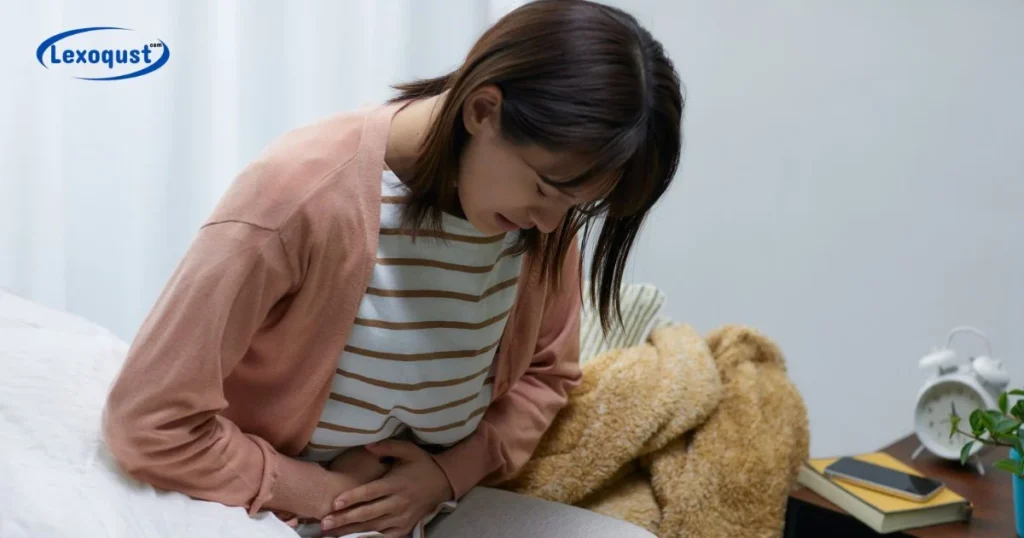
Meaning: Communicates general pain or frustration with immediacy.
Definition: A universal exclamation used to indicate distress or discomfort.
Tone: Emphatic, expressive, and slightly comedic.
Example: Gah! That’s painful; I twisted my ankle badly.
Explanation: Using “Gah!” captures attention quickly, making your writing more dynamic and emotionally engaging.
Purpose and Personalization: Useful in both narrative and informal instructional writing. Writers can adjust length or punctuation for added drama or subtlety.
Read more: Funny Ways to Say “What The Heck”
35. Egad! That Smarts
Meaning: Conveys sharp discomfort or surprise in a slightly old-fashioned, whimsical way.
Definition: An exclamation emphasizing acute pain with a playful tone.
Tone: Quirky, humorous, and expressive.
Example: Egad! That smarts; I pricked my thumb on the needle.
Explanation: “Egad!” adds personality and charm, giving your writing a distinctive voice.
Purpose and Personalization: Ideal for storytelling with a humorous or vintage flair. Adjust by pairing with descriptive context to suit formal or informal writing styles.
Conclusion
In writing, the words you choose have the power to transform simple expressions like “Ouch” into vivid, engaging moments. By exploring funny ways to say “Ouch”, you can add personality, humor, and emotional nuance to your essays, blog posts, or personal letters.
I encourage you to experiment with these alternatives, tailoring them to your style for authentic and memorable communication. Thoughtful language strengthens connections with your readers, making your writing more impactful. Start applying these playful expressions today, and watch how a small change in wording brings warmth, charm, and originality to every piece you create.

Hi! I’m Amelia Ashford, the admin of Lexoqust.com. Here, we dive deep into the world of synonyms to help you express yourself better.From everyday words to advanced vocabulary, Lexoqust makes your writing richer and more refined.