
When it comes to writing, the words we choose can make a huge difference in how our message is received.
Take the common term “money” simple, clear, but often lacking personality or flair. Whether you’re crafting essays, reports, personal letters, or creative content, selecting the right alternative can add warmth, humor, and nuance to your communication.
Using thoughtful, playful synonyms not only elevates your style but also engages your reader more effectively. In this guide, we’ll explore 33 funny and clever ways to say “money”, helping writers refine their vocabulary, enhance expression, and bring more personality to their writing.
1. Cash Chronicles: Hilarious Terms
Meaning: Highlights playful ways to talk about cash in writing.
Definition: A collection of humorous terms used for money.
Tone: Lighthearted and amusing.
Example: “She spent her weekend tracking her cash chronicles, laughing at each quirky expense.”
Explanation: Using funny terms for money adds personality and keeps readers engaged.
Purpose and Personalization: Perfect for casual or creative writing; adapt by choosing terms that match your audience’s humor.
2. Laughing About Loot
Meaning: Shows how money can be discussed in a humorous way.
Definition: Refers to joking or playful language about money.
Tone: Fun and cheerful.
Example: “He couldn’t stop laughing about loot after winning the office lottery.”
Explanation: Humor makes financial topics more relatable and less serious.
Purpose and Personalization: Ideal for blog posts or light essays; adjust humor based on audience familiarity.
3. Quirky Quips for Cash
Meaning: Focuses on witty expressions for money.
Definition: Short, clever phrases used to describe cash.
Tone: Clever and playful.
Example: “Her emails were full of quirky quips for cash, making accounting updates amusing.”
Explanation: Clever phrasing keeps readers interested and entertained.
Purpose and Personalization: Best for creative writing; personalize by aligning quips with your writing style.
4. Hilarious Money Monikers

Meaning: Provides funny nicknames for money.
Definition: Entertaining alternative names for cash or wealth.
Tone: Amusing and playful.
Example: “He referred to his savings as hilarious money monikers, giving each dollar a funny name.”
Explanation: Nicknames humanize money and add humor to writing.
Purpose and Personalization: Suitable for casual storytelling; choose monikers that fit your audience’s taste.
5. Funny Funds Expressions
Meaning: Introduces humorous ways to describe funds.
Definition: Phrases or words that make talking about money fun.
Tone: Light and entertaining.
Example: “Her presentation on the budget included funny funds expressions, keeping everyone engaged.”
Explanation: Makes dry topics like budgets more approachable.
Purpose and Personalization: Great for blog posts or emails; adjust phrasing based on tone—playful or witty.
Related: Funny Ways to Say “Rise And Shine”
6. Chuckle-Worthy Currency Words
Meaning: Focuses on amusing terminology for money.
Definition: Words or phrases for cash that make readers smile.
Tone: Humorous and engaging.
Example: “The newsletter was full of chuckle-worthy currency words, turning finance into fun.”
Explanation: Humor improves reader retention and enjoyment.
Purpose and Personalization: Use in casual writing; choose words that resonate with your audience’s sense of humor.
7. Comical Cash Slang
Meaning: Shows informal, funny slang for money.
Definition: Slang terms used to describe cash in a humorous way.
Tone: Informal and playful.
Example: “He bragged about his weekend wins using comical cash slang with friends.”
Explanation: Slang adds authenticity and relatability.
Purpose and Personalization: Best for blogs or social posts; ensure slang fits your audience and context.
8. Witty Ways to Say Wealth
Meaning: Encourages clever expressions for money or riches.
Definition: Creative, humorous alternatives to refer to wealth.
Tone: Smart and playful.
Example: “Her story featured witty ways to say wealth, making the millionaire character relatable.”
Explanation: Witty expressions add charm and personality.
Purpose and Personalization: Ideal for narrative or casual writing; adjust sophistication to match tone.
9. Money Made Funny

Meaning: Turns straightforward money references into humorous ones.
Definition: Using humor to discuss money creatively.
Tone: Entertaining and light.
Example: “The guide showed how to make budgeting relatable, effectively making money funny.”
Explanation: Humor keeps readers engaged with practical topics.
Purpose and Personalization: Suitable for educational or blog content; choose jokes that enhance clarity and interest.
10. Entertaining Earnings Names
Meaning: Assigns amusing labels to earnings or income.
Definition: Playful phrases for personal or business income.
Tone: Fun and lively.
Example: “She tracked her side hustle with entertaining earnings names, turning spreadsheets into a game.”
Explanation: Creative naming adds personality and keeps readers invested.
Purpose and Personalization: Works for casual or creative writing; tailor names to match your voice or audience.
11. Cash Comedy Phrases
Meaning: Lighthearted ways to refer to money that bring humor into writing.
Definition: Phrases that creatively describe cash in a funny or playful manner.
Tone: Humorous and cheerful.
Example: “He counted his cash, laughing at the silly jingles it made.”
Explanation: Using comedic phrases makes your writing feel relatable and entertaining, adding personality to financial topics.
Purpose and Personalization: Adds humor and engagement. Adjust by choosing phrases that fit formal essays or casual blog posts.
12. Silly Slang for Money
Meaning: Informal, playful slang terms that make money sound fun.
Definition: Words or expressions used in casual conversation to refer to money.
Tone: Whimsical and friendly.
Example: “She spent all her moolah on a quirky vintage jacket.”
Explanation: Slang adds personality and keeps readers interested, especially in lighthearted content.
Purpose and Personalization: Encourages informal and relatable writing. Tailor slang to your audience’s familiarity with terms.
Read more: Funny Ways to Say “Something Stinks”
13. Hilarious Dough Terms

Meaning: Comedic ways to describe money as “dough.”
Definition: Fun, exaggerated expressions that turn ordinary money references into humor.
Tone: Playful and amusing.
Example: “His wallet was stuffed with dough after winning the bet.”
Explanation: Using quirky terms like “dough” adds levity and makes writing more engaging.
Purpose and Personalization: Adds comedic flavor. Match humor level to your piece’s style.
14. Funny Bucks Expressions
Meaning: Creative ways to refer to dollars that make writing entertaining.
Definition: Lighthearted expressions emphasizing money in casual terms.
Tone: Cheerful and humorous.
Example: “She saved a few bucks by shopping during the sale.”
Explanation: These expressions humanize financial topics, making them easier to connect with.
Purpose and Personalization: Enhances relatability. Adjust word choice depending on audience age or context.
15. Laugh-Out-Loud Currency Words
Meaning: Words for money that are designed to make readers smile or laugh.
Definition: Clever or pun-filled money terms that add comedic value.
Tone: Witty and playful.
Example: “He raked in the cheddar after the fundraiser.”
Explanation: Humor improves reader engagement and keeps content lively.
Purpose and Personalization: Encourages creative writing. Pick words that align with your article’s humor style.
16. Playful Money Nicknames
Meaning: Cute or quirky names for money to add charm to writing.
Definition: Nicknames that personify or characterize cash for a fun effect.
Tone: Friendly and lighthearted.
Example: “She tucked her greenbacks safely into her purse.”
Explanation: Nicknames create a conversational tone that draws readers in.
Purpose and Personalization: Builds rapport with the audience. Adjust nicknames for casual blogs or playful social media posts.
17. Amusing Cash Alternatives
Meaning: Entertaining substitutes for the word money to enhance writing.
Definition: Words or phrases that provide a humorous twist on typical money references.
Tone: Jovial and engaging.
Example: “His stash of coinage could fund a small party.”
Explanation: Alternative terms prevent repetition and add personality.
Purpose and Personalization: Keeps content fresh and witty. Choose alternatives based on the writing style.
18. Clever Cash Sayings
Meaning: Smart, witty phrases that describe money creatively.
Definition: Catchy or humorous expressions designed to make cash references memorable.
Tone: Sharp and playful.
Example: “Time is money, but he preferred making it rain.”
Explanation: Clever sayings resonate with readers, making financial content more fun.
Purpose and Personalization: Adds wit and engagement. Adjust cleverness to fit tone and audience sophistication.
19. Fun Ways to Call Money

Meaning: Engaging expressions that make talking about money entertaining.
Definition: Any creative or amusing alternative to the word “money.”
Tone: Energetic and cheerful.
Example: “He counted his loot before heading to the arcade.”
Explanation: Fun alternatives add color and prevent mundane wording in your writing.
Purpose and Personalization: Makes content lively. Pick words that suit casual, humorous, or educational contexts.
20. Entertaining Dough Slang
Meaning: Humorous slang terms for money that enhance storytelling.
Definition: Informal, amusing expressions used to refer to cash.
Tone: Lighthearted and playful.
Example: “Her piggy bank overflowed with dough after the birthday gifts.”
Explanation: Slang adds personality and relatability, keeping readers engaged.
Purpose and Personalization: Creates a fun, approachable style. Adjust slang complexity based on audience familiarity.
See also: Funny Ways to Say “Something Tastes Bad”
21. Jolly Money Jargon
Meaning: Adds a cheerful and playful vibe when discussing finances in writing.
Definition: Lighthearted terminology used to describe money in an amusing way.
Tone: Playful and upbeat.
Example: “She saved up enough jolly money jargon to treat herself to a weekend getaway.”
Explanation: Using fun, lively expressions keeps readers engaged and makes financial topics less intimidating.
Purpose and Personalization: To create a friendly, approachable tone; writers can adjust by selecting words that match the humor level of their piece.
22. Punny Terms for Cash

Meaning: Employs clever wordplay to make money references entertaining.
Definition: Puns or witty phrases related to money that add humor.
Tone: Humorous and clever.
Example: “He was rolling in punny terms for cash after his latest freelance project.”
Explanation: Wordplay captures attention and adds charm, making writing memorable.
Purpose and Personalization: Great for casual or creative writing; tailor puns to suit the audience’s sense of humor.
23. Humorous Currency Names
Meaning: Uses comical labels for money to lighten the subject matter.
Definition: Entertaining alternative names for currency or cash.
Tone: Lighthearted and funny.
Example: “The shopkeeper jokingly asked if he preferred paying in humorous currency names or real dollars.”
Explanation: Humor encourages reader engagement and makes financial content less dry.
Purpose and Personalization: Perfect for blogs or articles; adjust the level of silliness depending on your style.
24. Quirky Dough Expressions
Meaning: Adds personality and whimsy when referring to money.
Definition: Creative slang or expressions that describe money in a fun way.
Tone: Quirky and playful.
Example: “She counted her quirky dough expressions before buying the vintage lamp.”
Explanation: Unique phrasing sparks curiosity and keeps readers entertained.
Purpose and Personalization: Works well in informal writing; match expressions to your audience’s familiarity with slang.
25. Witty Wealth Words
Meaning: Introduces clever terms for wealth or money to engage readers.
Definition: Smart, humorous words that refer to financial resources.
Tone: Clever and amusing.
Example: “He flaunted his witty wealth of words at the party, making everyone chuckle.”
Explanation: Shows creativity and adds flair, elevating the author’s voice.
Purpose and Personalization: Ideal for opinion pieces or creative writing; choose words that align with your tone.
26. Money With a Twist

Meaning: Presents money references in a novel or surprising way.
Definition: Creative variations of money-related terms that stand out.
Tone: Fun and inventive.
Example: “Her essay on budgeting included money with a twist, making the topic lively.”
Explanation: Unexpected phrasing grabs attention and refreshes common topics.
Purpose and Personalization: Use to revitalize standard financial topics; tailor twists to fit humor or sophistication.
27. Comical Coin Terms
Meaning: Uses amusing expressions specifically related to coins or small money.
Definition: Funny or playful phrases describing coins or minor cash amounts.
Tone: Humorous and light.
Example: “He dropped a few comical coin terms into the charity jar with a wink.”
Explanation: Small jokes create relatability and keep readers engaged in casual writing.
Purpose and Personalization: Perfect for blog posts or casual stories; adjust humor to audience taste.
Dive in: Funny Ways to Say “Turned On”
28. Laughable Loot Lingo
Meaning: Brings a funny edge to references about money or treasure.
Definition: Amusing slang used to describe cash, earnings, or loot.
Tone: Playful and whimsical.
Example: “The pirate-themed fundraiser counted its laughable loot lingo before awarding prizes.”
Explanation: Adds entertainment value and personality to financial discussion.
Purpose and Personalization: Suitable for storytelling or informal articles; tweak terms to match theme or tone.
29. Funny Greenbacks Slang
Meaning: Adds humor when referring to dollar bills or cash.
Definition: Slang or playful terms for money that make writing more engaging.
Tone: Entertaining and casual.
Example: “He flaunted his funny greenbacks slang to impress his friends at the garage sale.”
Explanation: Makes familiar topics lively, appealing to a broader audience.
Purpose and Personalization: Works in conversational writing; select slang that fits your target readership.
30. Hilarious Banknotes Names
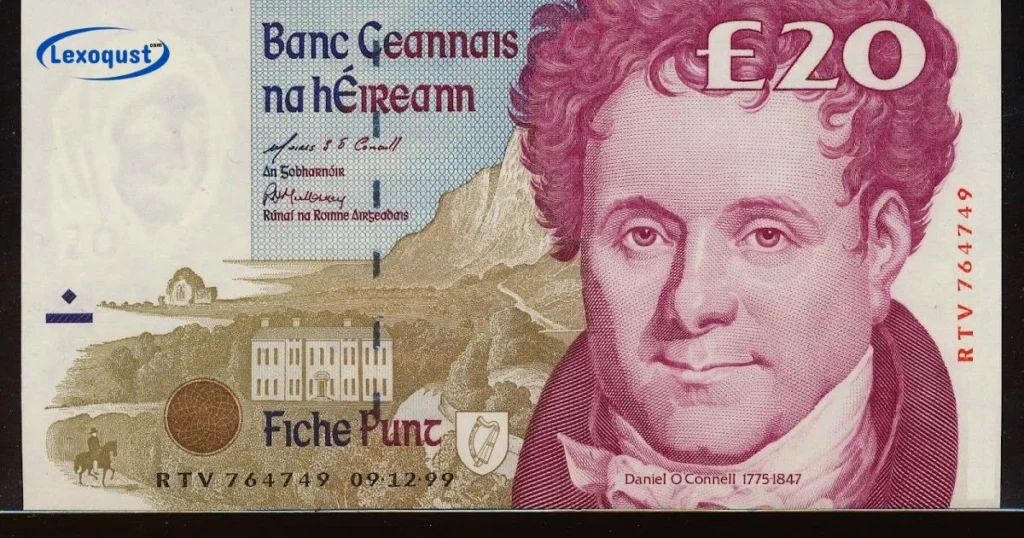
Meaning: Assigns comical or creative names to paper money to amuse readers.
Definition: Funny labels or nicknames for banknotes that add character.
Tone: Lighthearted and humorous.
Example: “The kids learned hilarious banknotes names while playing the classroom money game.”
Explanation: Adds charm and makes educational or financial writing more approachable.
Purpose and Personalization: Ideal for blogs, educational content, or casual guides; adjust names to suit age group or humor style.
31. Chuckling About Change
Meaning: Adds a humorous twist when referring to money in casual writing.
Definition: Lighthearted phrases that make discussions of cash feel playful and approachable.
Tone: Cheerful, witty, and informal.
Example: “I found some spare change jingling in my pocket—it’s time for a tiny shopping spree!”
Explanation: Using humor with money can make your writing more relatable and engaging, keeping readers entertained.
Purpose and Personalization: Encourages connection with readers while easing financial topics. Adjust humor intensity depending on whether your piece is casual or professional.
32. Money Humor Phrases
Meaning: Creative expressions that make conversations about money fun.
Definition: Phrases designed to elicit a smile or laugh when discussing finances.
Tone: Playful, light, and witty.
Example: “He’s got more dough than a bakery on a Monday morning.”
Explanation: Humor can soften serious topics, making your message more approachable and memorable.
Purpose and Personalization: Ideal for blogs, newsletters, or casual essays. Tailor jokes to your audience’s sense of humor for maximum impact.
Read more: Funny Ways to Say “Someone Died”
33. Entertaining Wallet Words
Meaning: Engaging terms that add personality to discussions of cash.
Definition: Words or phrases that make money sound fun and lively.
Tone: Jovial, creative, and imaginative.
Example: “Her wallet was bursting with greenbacks, each bill practically singing for attention.”
Explanation: Choosing vivid, entertaining words draws readers in and makes descriptions more memorable.
Purpose and Personalization: Perfect for storytelling or narrative writing. Adjust adjectives and imagery based on tone—formal or casual.
34. Cash Wordplay Ideas

Meaning: Clever ways to talk about money using puns or linguistic creativity.
Definition: Wordplay that adds humor or sophistication to financial references.
Tone: Witty, clever, and playful.
Example: “Saving money is a real cents-ational achievement!”
Explanation: Wordplay captures attention, sparks curiosity, and showcases the writer’s personality.
Purpose and Personalization: Enhances engagement in blogs, social media, or lighthearted articles. Choose wordplay that matches your audience’s familiarity with puns.
35. Silly Slang for Wealth
Meaning: Informal, humorous expressions for money that feel contemporary and fun.
Definition: Slang terms that make discussions of wealth approachable and entertaining.
Tone: Casual, playful, and cheeky.
Example: “He’s rolling in moolah, buying gadgets like there’s no tomorrow.”
Explanation: Slang adds personality and modern flair, helping your writing feel relatable and current.
Purpose and Personalization: Useful in conversational writing or social media content. Select slang that aligns with audience demographics and writing style.
Conclusion
In conclusion, choosing the right words to describe money can transform ordinary writing into something memorable, engaging, and full of personality. By exploring funny, clever, and creative alternatives, you can make essays, blog posts, or personal letters more lively and relatable.
I encourage you to experiment with these expressions, letting your unique voice shine while connecting meaningfully with your readers. Whether you’re writing professionally or playfully, these humorous money phrases add warmth and authenticity. Take these ideas, sprinkle them into your writing, and watch your communication become more impactful, expressive, and enjoyable.

Hi! I’m Amelia Ashford, the admin of Lexoqust.com. Here, we dive deep into the world of synonyms to help you express yourself better.From everyday words to advanced vocabulary, Lexoqust makes your writing richer and more refined.