Words shape how readers feel, connect, and respond to your message. Whether you’re crafting essays, reports, emails, or personal letters, choosing the right phrasing can instantly elevate your communication skills.
A common reaction like “Oh No” is easy to use but it often misses the chance to add humor, warmth, or personality. By exploring funny ways to say “Oh No”, writers can replace plain expressions with creative alternatives that sound more human, engaging, and memorable.
This guide introduces 33 thoughtful alternatives designed to boost tone, enhance word choice, and refine your writing style, helping you communicate with greater clarity, emotion, and impact.
1. Uh-Oh
Meaning: Signals a sudden realization of a small problem or mistake in writing.
Definition: A casual phrase used to acknowledge an unexpected issue.
Tone: Lighthearted, conversational.
Example: Uh-oh, this paragraph needs clearer transitions.
Explanation: This phrase softens mistakes, making the writer sound approachable rather than defensive.
Purpose and Personalization: Use it to keep feedback friendly. Adjust it for informal blogs or swap it out in formal writing.
2. Yikes
Meaning: Expresses surprise or mild alarm at an error or unexpected result.
Definition: A brief exclamation reacting to something shocking or awkward.
Tone: Playful, expressive.
Example: Yikes, that statistic needs a reliable source.
Explanation: It adds humor while still drawing attention to an issue.
Purpose and Personalization: Ideal for engaging readers. Tone it down for academic or professional pieces.
3. Oopsie Daisy
Meaning: A cheerful admission of a small, harmless mistake.
Definition: A whimsical phrase acknowledging minor errors.
Tone: Friendly, humorous.
Example: Oopsie daisy, that sentence repeated the same idea twice.
Explanation: It reassures readers that mistakes are part of the process.
Purpose and Personalization: Best for light content. Shorten to “oops” for a more neutral voice.
4. Well… That Happened
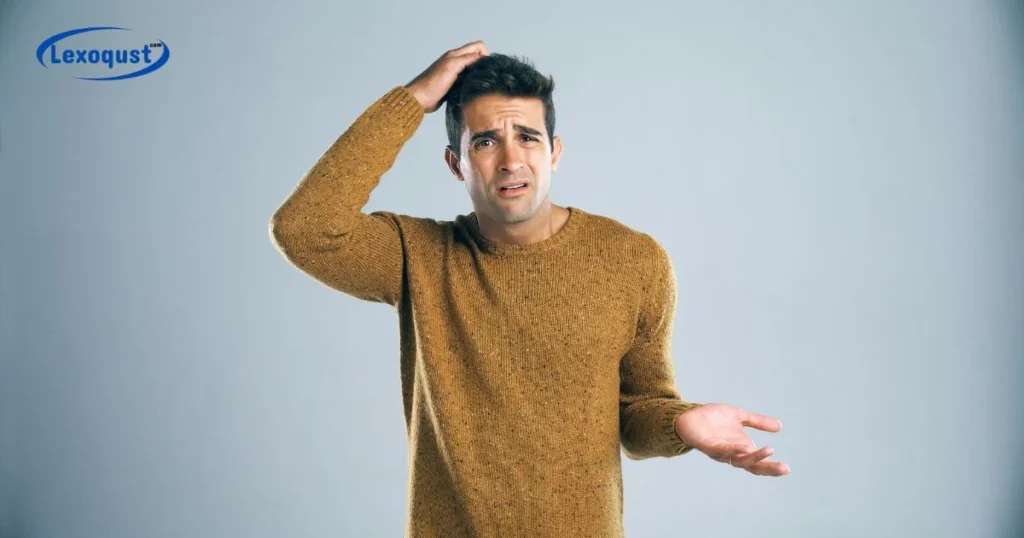
Meaning: Reflects acceptance of an unexpected or awkward outcome.
Definition: A phrase signaling reflection rather than panic.
Tone: Dry, humorous.
Example: Well… that happened, but we can revise and improve it.
Explanation: It shows confidence and perspective, not embarrassment.
Purpose and Personalization: Use it to maintain composure. Adjust punctuation to match sarcasm levels.
5. Ruh-Roh
Meaning: Indicates playful concern about a potential problem.
Definition: A cartoon-inspired expression of mild trouble.
Tone: Comedic, informal.
Example: Ruh-roh, this argument needs stronger evidence.
Explanation: It lowers tension and keeps readers engaged.
Purpose and Personalization: Great for creative writing. Avoid in formal or corporate contexts.
6. Eek
Meaning: Shows sudden surprise or discomfort at an issue.
Definition: A short exclamation reacting to an unexpected problem.
Tone: Expressive, slightly anxious.
Example: Eek, that typo changes the entire meaning.
Explanation: Its brevity adds emotional punch without overexplaining.
Purpose and Personalization: Use sparingly for impact. Pair with solutions to balance emotion.
7. Aw Snap
Meaning: Conveys disappointment mixed with humor.
Definition: A slang phrase reacting to an unfortunate moment.
Tone: Casual, relatable.
Example: Aw snap, the deadline moved up.
Explanation: It sounds natural and modern, resonating with readers.
Purpose and Personalization: Effective in blogs and social content. Replace with neutral wording for serious topics.
8. Whoops
Meaning: Politely acknowledges a minor mistake.
Definition: A simple admission of error.
Tone: Neutral, friendly.
Example: Whoops, that reference belongs in the next section.
Explanation: It keeps the tone respectful and calm.
Purpose and Personalization: Works across most styles. Add context for professional settings.
9. Oh Boy

Meaning: Signals anticipation or mild concern about what comes next.
Definition: A phrase expressing mixed emotions.
Tone: Conversational, reflective.
Example: Oh boy, this topic needs careful wording.
Explanation: It mirrors natural thought processes, drawing readers in.
Purpose and Personalization: Useful for storytelling. Adjust punctuation for emphasis.
10. Crikey
Meaning: Expresses surprise, often with a hint of disbelief.
Definition: An informal exclamation reacting to something unexpected.
Tone: Animated, expressive.
Example: Crikey, that revision changed the entire argument.
Explanation: It adds character and voice to writing.
Purpose and Personalization: Ideal for lively content. Consider audience familiarity before using.
11. Holy Smokes
Meaning: Implies sudden surprise or shock in a lighthearted way.
Definition: An exclamation used to react to unexpected information or outcomes.
Tone: Animated, playful, mildly dramatic.
Example: Holy smokes, I didn’t see that plot twist coming!
Explanation: This phrase adds energy and personality, helping writers convey surprise without sounding harsh or overly serious.
Purpose and Personalization: Use it to inject excitement or comic emphasis. Adjust by pairing it with context—formal writing may use it sparingly, while casual content can lean into its charm.
Read More: Funny Ways to Say “Ouch”
12. Jeepers
Meaning: Expresses mild astonishment or concern.
Definition: A soft exclamation signaling surprise or disbelief.
Tone: Gentle, friendly, approachable.
Example: Jeepers, that deadline came up fast.
Explanation: It keeps reactions non-threatening, making it ideal for reader-friendly writing.
Purpose and Personalization: Useful for maintaining a warm tone. Writers can pair it with humor or soften serious moments depending on audience expectations.
13. Egad
Meaning: Conveys old-fashioned surprise or alarm.
Definition: A classic interjection reacting to unexpected situations.
Tone: Dramatic, quirky, slightly vintage.
Example: Egad, the results were nothing like we predicted.
Explanation: Its uniqueness adds voice and character, helping writing stand out.
Purpose and Personalization: Great for stylistic flair. Adjust usage based on whether your writing leans playful or nostalgic.
14. Oh Fudge
Meaning: Signals frustration or a small mistake in a polite way.
Definition: A softened exclamation replacing harsher reactions.
Tone: Humorous, restrained, relatable.
Example: Oh fudge, I forgot to save the draft.
Explanation: This phrase keeps emotions light while acknowledging error.
Purpose and Personalization: Ideal for maintaining professional warmth. Swap tone by adding context—casual blogs benefit most from it.
15. Son of a Biscuit
Meaning: Expresses annoyed surprise without negativity.
Definition: A playful substitute for stronger expressions of frustration.
Tone: Comedic, expressive, clean.
Example: Son of a biscuit, that citation disappeared.
Explanation: It adds humor while preserving reader comfort.
Purpose and Personalization: Best for informal writing. Writers can adapt it to reflect their personal humor style.
16. Oh My Word
Meaning: Reflects polite surprise or disbelief.
Definition: A courteous expression of reaction or realization.
Tone: Respectful, soft, thoughtful.
Example: Oh my word, the feedback was overwhelming.
Explanation: This phrase maintains elegance and emotional clarity.
Purpose and Personalization: Suitable for balanced tones. Adjust intensity through surrounding language.
17. Big Oof
Meaning: Highlights an awkward mistake or unfortunate moment.
Definition: A modern expression acknowledging failure or discomfort.
Tone: Casual, empathetic, self-aware.
Example: Big oof—that statistic was outdated.
Explanation: It resonates with modern audiences and builds relatability.
Purpose and Personalization: Perfect for conversational writing. Adapt based on audience familiarity with internet language.
18. Yikes on Bikes
Meaning: Emphasizes heightened surprise or concern.
Definition: A playful exaggeration of “yikes.”
Tone: Energetic, fun, expressive.
Example: Yikes on bikes, that revision needs work.
Explanation: The rhythm adds memorability and engagement.
Purpose and Personalization: Use for humorous emphasis. Best suited for blogs and creative pieces.
19. Uh-Oh Spaghetti-O
Meaning: Signals a minor problem with humor.
Definition: A whimsical phrase acknowledging trouble.
Tone: Light, nostalgic, friendly.
Example: Uh-oh Spaghetti-O, the link is broken.
Explanation: It softens issues and keeps readers at ease.
Purpose and Personalization: Great for approachable content. Adjust nostalgia based on reader demographics.
20. Well, Dang
Meaning: Shows resigned surprise or mild disappointment.
Definition: A casual acknowledgment of an unexpected outcome.
Tone: Relaxed, reflective, authentic.
Example: Well, dang, that didn’t go as planned.
Explanation: This phrase feels natural and conversational.
Purpose and Personalization: Ideal for reflective writing. Writers can scale formality by pairing it with explanatory context.
21. Oopsy Woopsy
Meaning: Suggests a small, often humorous mistake without heavy consequences.
Definition: A playful expression used to soften errors in writing or conversation.
Tone: Lighthearted, friendly, playful
Example: Oopsy woopsy—I mixed up the citations in the final paragraph.
Explanation: This phrase eases tension and keeps readers engaged by acknowledging mistakes with warmth instead of seriousness.
Purpose and Personalization: Use it to humanize your writing and build rapport. Adjust it for informal blogs, creative pieces, or audience-focused content where a casual voice fits best.
22. Good Grief
Meaning: Expresses frustration or disbelief at an unexpected situation.
Definition: A mild exclamation signaling surprise or exasperation.
Tone: Expressive, thoughtful, slightly dramatic
Example: Good grief, the data set doubled overnight.
Explanation: It conveys emotion without sounding harsh, helping readers relate to the writer’s reaction.
Purpose and Personalization: Ideal for narrative writing or opinion pieces. Soften or intensify it depending on whether your tone is reflective or conversational.
23. Oh Dear
Meaning: Communicates gentle concern or mild disappointment.
Definition: A polite phrase used to acknowledge an unfortunate moment.
Tone: Gentle, considerate, warm
Example: Oh dear, the introduction needs clearer context.
Explanation: This phrase keeps feedback constructive and reader-friendly.
Purpose and Personalization: Use it in professional or instructional writing to maintain empathy. Pair it with solutions for a supportive tone.
24. Oh Man
Meaning: Signals immediate emotional reaction, often surprise or frustration.
Definition: An informal exclamation reflecting spontaneous response.
Tone: Casual, expressive, relatable
Example: Oh man, I missed the submission deadline.
Explanation: Its conversational nature helps writing feel authentic and human.
Purpose and Personalization: Best for blogs or personal essays. Modify intensity by surrounding it with context that matches your audience.
25. That’s Not Good
Meaning: Indicates recognition of a problem or negative outcome.
Definition: A straightforward phrase identifying an issue.
Tone: Direct, neutral, concerned
Example: That’s not good—the conclusion contradicts the main argument.
Explanation: Its clarity ensures readers immediately understand the issue.
Purpose and Personalization: Use in analytical or instructional writing. Adjust formality by adding context or qualifiers.
26. Uh-Oh Moment
Meaning: Highlights a realization that something may go wrong.
Definition: A casual phrase marking an impending issue.
Tone: Playful, alert, engaging
Example: This was the uh-oh moment when the sources stopped aligning.
Explanation: It draws readers in by signaling tension in a relatable way.
Purpose and Personalization: Ideal for storytelling or case studies. Adapt it to suit light or semi-professional tones.
27. Oh No-No
Meaning: Conveys disapproval or recognition of a clear mistake.
Definition: A repetitive phrase emphasizing error or misstep.
Tone: Emphatic, humorous, expressive
Example: Oh no-no, that citation format won’t work here.
Explanation: The repetition adds emphasis while keeping the tone friendly.
Purpose and Personalization: Use sparingly for impact in informal writing. Adjust phrasing for audiences sensitive to tone.
28. Disaster Alert
Meaning: Signals a significant problem needing attention.
Definition: A dramatic phrase used to highlight urgency.
Tone: Urgent, dramatic, attention-grabbing
Example: Disaster alert—the file wasn’t backed up.
Explanation: It instantly captures reader attention and raises stakes.
Purpose and Personalization: Effective in persuasive or narrative writing. Tone it down for formal contexts.
29. Trouble Ahead
Meaning: Suggests an upcoming challenge or complication.
Definition: A forward-looking phrase warning of potential issues.
Tone: Cautious, anticipatory, thoughtful
Example: Without clearer structure, there’s trouble ahead for reader clarity.
Explanation: It prepares readers mentally and builds narrative flow.
Purpose and Personalization: Use in analytical or advisory writing. Pair with guidance to maintain balance.
Read More: Funny Ways to Say “One Night Stand”
30. Aw Heck
Meaning: Expresses mild frustration or resignation.
Definition: A softened exclamation replacing stronger language.
Tone: Casual, humorous, approachable
Example: Aw heck, I’ll need to revise this section again.
Explanation: It keeps frustration relatable without negativity.
Purpose and Personalization: Perfect for conversational writing. Adjust wording to match your personal voice or audience expectations.
31. Panic Mode

Meaning: Signals a sudden realization of trouble or urgency, often used to heighten drama or humor in writing.
Definition: A phrase that conveys immediate stress or alarm in a situation.
Tone: Urgent, playful, dramatic.
Example: When I saw the deadline was today, it was officially panic mode.
Explanation: This phrase quickly pulls readers into the writer’s emotional state, making moments feel more relatable and vivid.
Purpose and Personalization: Use panic mode to amplify tension or inject humor into stressful scenes. Adjust intensity by pairing it with lighthearted context for casual writing or keeping it brief for professional tone.
32. Facepalm Time
Meaning: Expresses mild embarrassment or frustration over a mistake or oversight.
Definition: A phrase used to acknowledge an obvious or avoidable error.
Tone: Humorous, self-aware, lighthearted.
Example: I sent the email without the attachment—facepalm time.
Explanation: It invites readers to empathize with the writer while keeping the mood friendly and approachable.
Purpose and Personalization: Ideal for relatable moments or self-reflection. Use casually in blogs or storytelling, or soften it in formal writing by pairing with a reflective explanation.
33. Oh Snap Crackle Pop
Meaning: Conveys surprise or sudden chaos with a playful, exaggerated flair.
Definition: A humorous expression reacting to an unexpected or messy situation.
Tone: Playful, animated, expressive.
Example: The plan fell apart in seconds—oh snap crackle pop.
Explanation: The rhythmic sound adds energy and personality, keeping readers engaged through creative language.
Purpose and Personalization: Use to inject fun into informal writing. Adapt by shortening it or using sparingly to match your brand voice or audience expectations.
34. Welp…
Meaning: Suggests resignation or acceptance when things don’t go as planned.
Definition: A casual expression signaling acknowledgment of an awkward or disappointing moment.
Tone: Resigned, casual, dry humor.
Example: The file didn’t save—welp… time to start over.
Explanation: Its simplicity mirrors real-life reactions, making the writing feel authentic and conversational.
Purpose and Personalization: Perfect for informal or reflective writing. Adjust punctuation or context to fit lighter humor or thoughtful commentary.
35. Brace Yourself

Meaning: Warns readers that something challenging or surprising is about to happen.
Definition: A phrase preparing the audience for impact or change.
Tone: Forewarning, dramatic, anticipatory.
Example: Brace yourself—the feedback was brutally honest.
Explanation: It builds anticipation and guides reader expectations, strengthening narrative flow.
Purpose and Personalization: Use to transition into critical points or reveals. Modify intensity by pairing with humor for blogs or keeping it direct for professional content.
Conclusion
Choosing funny ways to say “Oh No” proves that word choice truly shapes how messages are felt and remembered. Small language shifts add personality, emotion, and authentic voice, helping writers build meaningful connections with readers. I’ve seen how playful expressions can instantly transform dull sentences into engaging moments and you can too.
Whether you’re working on academic papers, blog posts, emails, or personal letters, these alternatives bring clarity, humor, and warmth to your writing. Start experimenting, trust your creative expression, and let your words sound more human. Apply these ideas today and write with greater impact, confidence, and authenticity.

Hi! I’m Amelia Ashford, the admin of Lexoqust.com. Here, we dive deep into the world of synonyms to help you express yourself better.From everyday words to advanced vocabulary, Lexoqust makes your writing richer and more refined.