When it comes to effective communication, the words we choose can make all the difference. Simple phrases like “No To Drugs” are clear, but they can often feel stiff or impersonal in essays, reports, or personal letters.
By exploring funny, creative, and engaging alternatives, writers can convey the same message with more warmth, personality, and impact. Choosing the right phrasing not only enhances writing style but also strengthens the connection with readers.
In this guide, we’ll share 33 thoughtful ways to say “No To Drugs”, helping you refine your expression, tone, and persuasive writing skills.
1. Say “Nah, I’m Good” to Drugs
Meaning: A casual, friendly way to decline drug use in conversation or writing.
Definition: A phrase that communicates polite refusal with confidence.
Tone: Lighthearted, approachable, and confident.
Example: “Thanks for the offer, but nah, I’m good.”
Explanation: Using casual language makes the refusal feel natural and relatable, helping readers connect with the message.
Purpose and Personalization: Encourages a nonjudgmental approach to saying no. Adjust phrasing to match your audience—more formal for essays, more playful for social content.
2. Hit the Brakes on the Highs
Meaning: Advises slowing down or stopping indulgence in drugs.
Definition: A metaphorical expression for rejecting substance use.
Tone: Cautionary yet witty.
Example: “I decided to hit the brakes on the highs and focus on my goals.”
Explanation: Metaphors make advice memorable and relatable.
Purpose and Personalization: Emphasizes self-control. Can be intensified for persuasive writing or softened for conversational pieces.
3. Keep Your Mind Clean, Ditch the Scene
Meaning: Promotes mental clarity by avoiding drug environments.
Definition: Encourages staying away from substances and situations where they’re present.
Tone: Motivational and proactive.
Example: “I choose to keep my mind clean, ditch the scene at parties.”
Explanation: Contrasts positive mental health with risky behavior to inspire smart choices.
Purpose and Personalization: Motivates readers to make thoughtful decisions. Adjust rhyme or rhythm to match a creative or serious tone.
4. Pass on the Puff
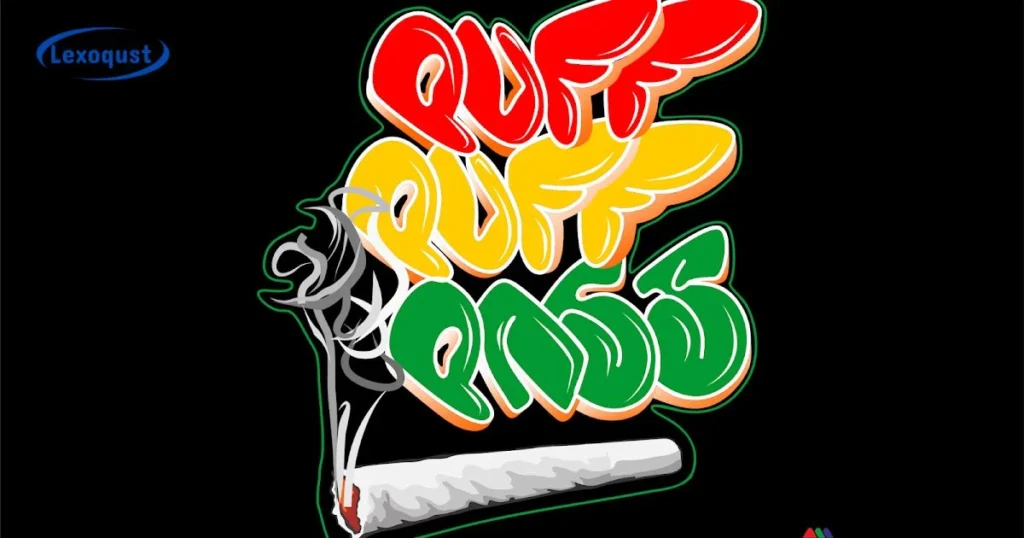
Meaning: A simple and catchy way to refuse smoking or drug intake.
Definition: Concise refusal phrase that is easy to remember.
Tone: Playful and light.
Example: “I’ll pass on the puff, thanks.”
Explanation: Brevity makes it effective in casual dialogue and persuasive writing.
Purpose and Personalization: Ideal for social contexts or youth-focused content. Can be jazzed up with humor or emojis in informal writing.
5. Not Today, Toxic Clouds
Meaning: Declares avoidance of harmful substances with a playful twist.
Definition: A metaphorical refusal using imagery of smoke or drugs.
Tone: Humorous yet firm.
Example: “Not today, toxic clouds—I’m sticking to water.”
Explanation: Imagery captures attention and makes the message memorable.
Purpose and Personalization: Works well in creative or social writing. Tone can be softened or intensified depending on audience sensitivity.
6. Stay Sober, Stay Smarter
Meaning: Highlights the benefits of sobriety for mental clarity.
Definition: A cause-and-effect statement connecting choice and outcome.
Tone: Encouraging and informative.
Example: “I always remind myself: stay sober, stay smarter.”
Explanation: Shows a positive consequence, motivating readers to make conscious choices.
Purpose and Personalization: Effective for persuasive essays or motivational writing. Adjust phrasing to be more formal for academic work.
7. Drugs? I’ll Swipe Left
Meaning: Modern, playful refusal referencing social media culture.
Definition: Metaphorically rejecting drugs as one would an unwanted profile.
Tone: Humorous, trendy, and relatable.
Example: “Drugs? I’ll swipe left—no thanks.”
Explanation: Pop culture references make the refusal relatable to younger audiences.
Purpose and Personalization: Great for social media posts or casual content. Replace references with current trends for relevance.
Read More: Funny Ways to Say “None Of My Business”
8. Say Bye-Bye to Buzz
Meaning: Encourages rejecting temporary highs or drug experiences.
Definition: Casual farewell phrase used to decline drugs.
Tone: Light, friendly, and memorable.
Example: “I’ve decided to say bye-bye to buzz this weekend.”
Explanation: Personifying the buzz makes refusal fun and engaging.
Purpose and Personalization: Works well in informal writing. Tone can be playful or serious depending on context.
9. Keep Calm and Drug-Free
Meaning: Promotes composure and healthy choices in challenging situations.
Definition: Adaptation of a motivational slogan emphasizing sobriety.
Tone: Calm, encouraging, and reassuring.
Example: “Even at parties, I keep calm and drug-free.”
Explanation: Familiar structure makes it catchy and easy to remember.
Purpose and Personalization: Ideal for motivational writing or advice columns. Can adjust for humor or seriousness based on the audience.
10. No Thanks, I Like My Brain
Meaning: Highlights valuing mental health over temporary highs.
Definition: Direct refusal with a focus on cognitive well-being.
Tone: Assertive yet lighthearted.
Example: “No thanks, I like my brain—I’ll pass.”
Explanation: Emphasizing self-care reinforces the importance of smart choices.
Purpose and Personalization: Works for persuasive essays or casual content. Can be personalized with different humor or educational context.
11. Kick the Habit Before It Kicks You
Meaning: Encourages proactive action against drug use before it causes harm.
Definition: A motivational phrase emphasizing prevention and self-control.
Tone: Assertive and cautionary.
Example: “Remember to kick the habit before it kicks you and take control of your future.”
Explanation: This phrase works because it creates a vivid mental image, making the consequences of inaction clear.
Purpose and Personalization: Use it to emphasize personal responsibility. Adjust the tone to be playful or serious depending on your audience.
12. Laugh, Don’t Get Lit
Meaning: Promotes fun and enjoyment without substance use.
Definition: A lighthearted way to reject drugs while encouraging positive activities.
Tone: Playful and upbeat.
Example: “Join the party and laugh, don’t get lit—fun doesn’t need drugs.”
Explanation: This phrase is effective because humor makes the message memorable and approachable.
Purpose and Personalization: Ideal for youth-oriented writing; tweak humor levels to match the audience’s vibe.
13. Clear Mind, Big Grind
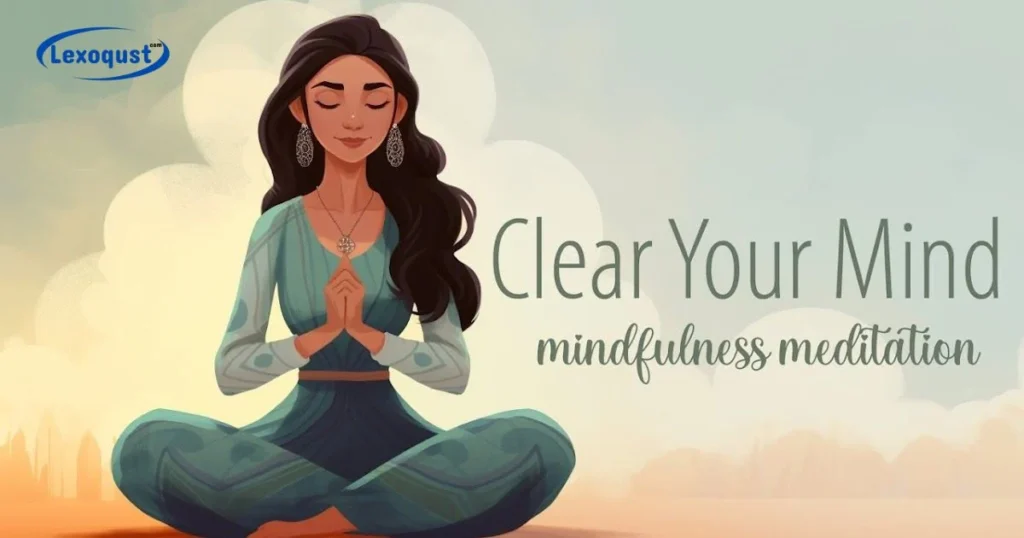
Meaning: Emphasizes productivity and mental clarity over drug use.
Definition: Highlights the benefits of sobriety for achieving goals.
Tone: Motivational and focused.
Example: “Keep a clear mind, big grind, and watch your goals fall into place.”
Explanation: Linking a clear mind with success makes the phrase inspiring and practical.
Purpose and Personalization: Use in educational or professional contexts; adapt phrasing for casual or formal writing styles.
14. Stay Fresh, Not Fuzzy
Meaning: Encourages alertness and well-being over intoxication.
Definition: A catchy way to advocate for staying drug-free.
Tone: Fun and friendly.
Example: “Stay fresh, not fuzzy, and enjoy every moment fully aware.”
Explanation: The rhyme makes the phrase easy to remember, reinforcing the positive choice.
Purpose and Personalization: Works well in informal writing; can be personalized with cultural or lifestyle references.
15. Puff-Free is the Way to Be
Meaning: Suggests living without smoking or vaping substances.
Definition: A playful, rhyming declaration promoting sobriety.
Tone: Cheerful and encouraging.
Example: “Puff-free is the way to be, keeping your lungs and life happy.”
Explanation: Rhyming adds rhythm and memorability, making the message catchy.
Purpose and Personalization: Great for youth campaigns or casual advice; adjust wording to fit age or audience tone.
16. Mind Over Matter, Drugs Don’t Matter
Meaning: Encourages mental strength to resist substance use.
Definition: Highlights the power of focus and self-discipline over harmful habits.
Tone: Empowering and motivational.
Example: “Mind over matter, drugs don’t matter—stay focused on what truly counts.”
Explanation: Reinforces self-control and resilience, appealing to readers’ sense of agency.
Purpose and Personalization: Use in inspirational or wellness-focused writing; tone can be intensified for serious discussions.
17. Say “Pass” to the Grass
Meaning: Advises declining marijuana or similar substances politely.
Definition: A casual, catchy way to refuse drugs.
Tone: Lighthearted and friendly.
Example: “It’s okay to say ‘pass’ to the grass and still have a blast.”
Explanation: Casual phrasing reduces confrontation while still asserting boundaries.
Purpose and Personalization: Ideal for peer advice or informal writing; tweak slang to match audience familiarity.
18. High on Life, Not on Stuff
Meaning: Promotes finding joy in experiences rather than substances.
Definition: Advocates for natural happiness and meaningful engagement.
Tone: Uplifting and positive.
Example: “Choose to be high on life, not on stuff, and cherish every moment.”
Explanation: Encourages a value-driven lifestyle, making the message relatable and inspiring.
Purpose and Personalization: Works for motivational writing; personalize by referencing hobbies or passions.
Read More: Funny Ways to Say “Nothing”
19. Keep Your Cool, Skip the Tool
Meaning: Advises maintaining composure without relying on drugs.
Definition: A playful, rhyming reminder to stay sober.
Tone: Fun yet cautionary.
Example: “Keep your cool, skip the tool, and enjoy your day fully in control.”
Explanation: The rhyme makes the advice memorable and approachable.
Purpose and Personalization: Suitable for youth and casual writing; adjust wording to fit humor or seriousness.
20. Fun Without the Run

Meaning: Suggests enjoyment doesn’t require drugs or risky behavior.
Definition: Highlights alternative ways to have a good time safely.
Tone: Supportive and lighthearted.
Example: “You can have fun without the run—choose safe and happy adventures.”
Explanation: Emphasizes positive alternatives while keeping the tone friendly.
Purpose and Personalization: Great for event guides or personal essays; tweak phrasing to suit age group or audience interests.
21. Buzz-Free and Busy
Meaning: Highlights staying productive without relying on drugs.
Definition: A phrase promoting focus and clear-headed activity.
Tone: Encouraging and upbeat.
Example: “I’m keeping my week buzz-free and busy, focusing on projects that matter.”
Explanation: This phrase reinforces prioritizing goals over distractions, making the writing relatable and motivating.
Purpose and Personalization: Encourages readers to value clarity and productivity; adjust tone by emphasizing humor or motivation depending on your audience.
22. Drugs? I’ll Take a Rain Check
Meaning: Politely declines drug use with a lighthearted approach.
Definition: A humorous, casual refusal phrase.
Tone: Playful and witty.
Example: “Thanks, but drugs? I’ll take a rain check today.”
Explanation: Softens the refusal while keeping the message clear, suitable for conversational writing.
Purpose and Personalization: Adds personality; tweak humor level to match your writing style.
23. Swerve the Nerve
Meaning: Avoids risky or harmful behavior.
Definition: Creative way to express rejecting drugs or pressure.
Tone: Clever and cautionary.
Example: “I decided to swerve the nerve and stay focused on my studies.”
Explanation: Uses imagery to make the message memorable and engaging.
Purpose and Personalization: Perfect for youth-focused or creative writing; personalize by changing the metaphor.
24. Stay Sharp, Skip the Dart
Meaning: Encourages mental clarity by avoiding drugs.
Definition: Phrase linking sobriety with alertness.
Tone: Motivational and smart.
Example: “I’m planning to stay sharp, skip the dart this weekend.”
Explanation: Connects positive behavior with mental benefits, enhancing persuasive writing.
Purpose and Personalization: Inspires readers to choose clarity; adjust phrasing to match casual or formal tone.
25. Life’s High Enough Already
Meaning: Suggests natural experiences are sufficient for joy.
Definition: Phrase emphasizing life’s inherent excitement over drugs.
Tone: Lighthearted and reflective.
Example: “I’m good, life’s high enough already without any substances.”
Explanation: Encourages self-awareness and gratitude while delivering the message humorously.
Purpose and Personalization: Reinforces natural happiness; adapt tone to suit playful or serious contexts.
26. Don’t Let Stuff Mess Your Mind
Meaning: Promotes mental clarity and self-care.
Definition: Direct, cautionary phrase advocating avoidance of drugs.
Tone: Supportive and mindful.
Example: “I choose to not let stuff mess my mind and stick to healthy routines.”
Explanation: Highlights the impact of choices on mental wellbeing, resonating with readers.
Purpose and Personalization: Encourages mindful decisions; adjust informality based on audience.
27. Kick Clouds, Not Your Goals
Meaning: Prioritizes personal ambitions over drug use.
Definition: Creative metaphor discouraging substance use while focusing on aspirations.
Tone: Inspiring and vivid.
Example: “I’m here to kick clouds, not my goals, so no drugs for me.”
Explanation: Engages readers with imagery, linking behavior to long-term success.
Purpose and Personalization: Motivates goal-driven decisions; personalize metaphors for target readers.
28. Say Nope to the Dope
Meaning: Simple, catchy refusal of drugs.
Definition: Rhyming, memorable phrase to communicate rejection clearly.
Tone: Playful and assertive.
Example: “It’s easy to say nope to the dope when you know your worth.”
Explanation: Rhymes make the phrase fun and easy to remember, boosting impact.
Purpose and Personalization: Encourages clear refusal; add humor or seriousness as needed.
29. Healthy Habits, Happy Life

Meaning: Connects wellness routines with life satisfaction.
Definition: Phrase promoting a lifestyle choice over drugs.
Tone: Positive and nurturing.
Example: “Focusing on healthy habits, happy life keeps me energized daily.”
Explanation: Reinforces benefits of sober living in a relatable way.
Purpose and Personalization: Supports wellness messaging; adjust specifics to match your writing context.
30. Clear Vibes Only
Meaning: Advocates for a clear mind and positive environment.
Definition: Trendy, concise phrase rejecting substances for mental clarity.
Tone: Modern and uplifting.
Example: “I stick to clear vibes only when it comes to weekend plans.”
Explanation: Short, catchy, and motivational, resonating with readers seeking simplicity.
Purpose and Personalization: Emphasizes clarity and positivity; adapt slang or tone for different audiences.
31. Skip the Trip, Enjoy the Sip
Meaning: Encourages making positive choices instead of risky behavior.
Definition: A playful way to promote avoiding drugs while enjoying life responsibly.
Tone: Lighthearted, witty, and uplifting.
Example: “Skip the trip, enjoy the sip—let’s stick to smoothies instead of substances.”
Explanation: This phrase uses humor and rhyme to make the message memorable and engaging, making it easier for readers to relate.
Purpose and Personalization: Designed to discourage drug use while keeping the tone fun. Writers can adjust the beverage or activity to match the audience’s preferences or style.
32. Laugh Harder, Smoke Never

Meaning: Suggests finding joy and laughter without turning to substances.
Definition: A catchy, memorable phrase promoting drug-free fun.
Tone: Cheerful, motivating, and playful.
Example: “Laugh harder, smoke never—your smile is all the high you need!”
Explanation: Humor reinforces positive behavior and encourages readers to focus on natural sources of happiness.
Purpose and Personalization: Ideal for essays or campaigns emphasizing joy and well-being. Adjust the verb or activity to suit your writing style or audience context.
33. Mindful, Not Muddled
Meaning: Advocates for awareness and clarity over substance use.
Definition: A concise way to promote conscious choices and mental focus.
Tone: Thoughtful, encouraging, and reflective.
Example: “Stay mindful, not muddled, and enjoy each moment fully.”
Explanation: Highlights the benefits of clear thinking while presenting the advice in a rhythmic, memorable way.
Purpose and Personalization: Helps convey seriousness without being preachy. Writers can tweak the wording for formal or casual pieces.
34. Buzz Off, Bad Stuff
Meaning: Firmly rejects harmful substances with humor.
Definition: A playful yet assertive way to say no to drugs.
Tone: Bold, witty, and confident.
Example: “Buzz off, bad stuff—I’m choosing health over haze today!”
Explanation: The rhyme adds a fun twist while maintaining a strong anti-drug message.
Purpose and Personalization: Perfect for attention-grabbing slogans or casual writing. Adjust tone based on audience—more playful for teens, more assertive for adults.
35. Keep Your Head, Lose the Shed
Meaning: Encourages smart choices by prioritizing safety over risky behavior.
Definition: A creative phrase using wordplay to discourage drug use.
Tone: Clever, motivational, and lighthearted.
Example: “Keep your head, lose the shed—say no to substances that cloud your mind.”
Explanation: Combines humor and caution, making the message both memorable and impactful.
Purpose and Personalization: Engages readers while promoting clear thinking. Writers can adapt the metaphor to different activities or cultural references for relatability.
Conclusion
Choosing the right words can transform a simple message into a powerful connection. By exploring funny ways to say “No To Drugs“, you can make your writing more memorable, engaging, and impactful. I encourage you to experiment with these playful alternatives in essays, blog posts, personal letters, or campaigns, allowing your unique voice to shine.
Thoughtful language not only informs but also inspires readers to make positive choices. Use these tips to personalize your expression, enhance your writing style, and create messages that resonate. Your words truly have the power to influence and uplift.
Read More:
Funny Ways to Say “One Night Stand”

Hi! I’m Amelia Ashford, the admin of Lexoqust.com. Here, we dive deep into the world of synonyms to help you express yourself better.From everyday words to advanced vocabulary, Lexoqust makes your writing richer and more refined.