When it comes to effective communication, choosing the right words can transform ordinary messages into memorable expressions.
A common phrase like “I’m Laughing” is simple, but often lacks personality or nuance. Writers, whether crafting essays, reports, emails, or personal letters, can elevate their tone by selecting more expressive, witty, or relatable alternatives.
Using thoughtful language not only engages readers but also adds warmth and authenticity to your writing. In this guide, we explore 33 funny ways to say “I’m Laughing”, offering playful, clever, and heartfelt options that help you connect, entertain, and leave a lasting impression.
1. Cracking Up
Meaning: Expressing uncontrollable laughter in response to something extremely funny.
Definition: A vivid way to show amusement that goes beyond a simple chuckle.
Tone: Playful and energetic.
Example: “I was cracking up when I saw his dance moves at the party.”
Explanation: This phrase conveys strong, visible amusement, making your writing lively and relatable.
Purpose and Personalization: Use it to add energy and humor; adjust intensity depending on whether the writing is casual or professional.
2. LOLing Out Loud
Meaning: A casual, digital-age expression indicating laughter online or in texts.
Definition: Abbreviation of “laughing out loud” often used in messaging or informal writing.
Tone: Friendly and lighthearted.
Example: “That meme had me LOLing out loud for minutes!”
Explanation: It instantly signals humor in a relatable, modern context.
Purpose and Personalization: Ideal for blogs, social media, or informal writing; tone down in formal or academic pieces.
3. Snorting with Laughter
Meaning: Laughing so hard that it produces a snort, showing uncontrollable amusement.
Definition: Physical reaction of laughter captured in words for vivid storytelling.
Tone: Hilarious and animated.
Example: “She was snorting with laughter at his unexpected joke.”
Explanation: Adds humor and physicality, helping readers visualize the reaction.
Purpose and Personalization: Great for storytelling; can be exaggerated for comedic effect or softened for subtle humor.
4. Chortling Away
Meaning: A combination of chuckling and snorting, often quiet but genuine amusement.
Definition: Expressing restrained yet joyful laughter.
Tone: Cheerful and whimsical.
Example: “He kept chortling away as the puppies tumbled over each other.”
Explanation: Shows a gentle, heartfelt response to humor, enhancing reader connection.
Purpose and Personalization: Works in lighthearted essays or narratives; tone can be playful or affectionate.
5. Giggle Fits
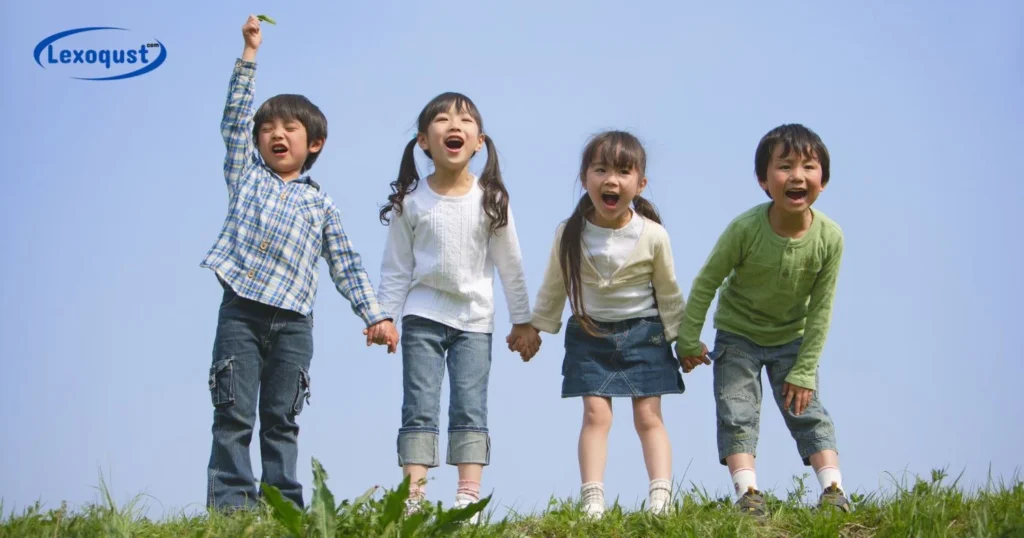
Meaning: Short bursts of uncontrollable giggles, often shared among friends.
Definition: Sudden, repetitive laughter typically triggered by fun or silliness.
Tone: Sweet, playful, and spontaneous.
Example: “The kids broke into giggle fits after seeing the clown’s antics.”
Explanation: Conveys innocence and joy, making writing more relatable.
Purpose and Personalization: Perfect for family-friendly or humorous content; adjust intensity based on audience.
6. Rofling Hard
Meaning: Laughing intensely while literally “rolling on the floor,” a digital-age exaggeration.
Definition: Abbreviation for “rolling on the floor laughing,” showing extreme amusement.
Tone: Exaggerated and humorous.
Example: “That comic strip had me Rofling hard at my desk.”
Explanation: Communicates high-impact humor in a contemporary, relatable way.
Purpose and Personalization: Ideal for casual blogs or social media; avoid in formal contexts.
7. Cackling Hysterically
Meaning: Loud, raucous laughter expressing wild amusement.
Definition: A boisterous, often uncontrollable form of laughing.
Tone: Bold, dramatic, and playful.
Example: “The villain in the story was cackling hysterically at his evil plan.”
Explanation: Adds drama and intensity, helping your narrative pop.
Purpose and Personalization: Use for storytelling or character dialogue; adjust volume for context sensitivity.
8. Snickering Quietly
Meaning: Suppressed laughter, often at something slightly mischievous or ironic.
Definition: A quiet, sneaky form of laughter.
Tone: Subtle, cheeky, and understated.
Example: “She was snickering quietly at his clumsy attempt to dance.”
Explanation: Provides nuance, showing amusement without overwhelming the scene.
Purpose and Personalization: Great for narrative tension or humor; tone can be sly, teasing, or gentle.
9. Tears of Laughter
Meaning: Laughing so hard it brings tears, showing extreme amusement.
Definition: A vivid phrase illustrating intense, heartfelt laughter.
Tone: Emotional, exuberant, and genuine.
Example: “He was in tears of laughter after hearing the hilarious story.”
Explanation: Adds emotional depth, allowing readers to connect with the experience.
Purpose and Personalization: Effective in storytelling and personal writing; intensity can be scaled based on context.
10. Bursting Out Laughing

Meaning: Sudden, spontaneous laughter that escapes involuntarily.
Definition: Expressing immediate amusement with high energy.
Tone: Joyful, lively, and natural.
Example: “I couldn’t help bursting out laughing when she told the joke.”
Explanation: Creates vivid imagery and conveys authenticity in reactions.
Purpose and Personalization: Excellent for narratives, essays, or letters; can be playful or sincere depending on the audience.
11. Howling with Laughter
Meaning: Expresses uncontrollable, loud laughter in response to something extremely funny.
Definition: A vivid way to indicate that something has caused intense amusement.
Tone: Energetic, humorous, and exuberant.
Example: “I was howling with laughter at her clever joke during the meeting.”
Explanation: This phrase amplifies the intensity of laughter, helping readers visualize genuine amusement.
Purpose and Personalization: Use it to convey strong reactions in stories or personal writing. Adjust intensity by pairing with descriptive context or tone to match formal or casual writing.
12. Guffawing Loudly
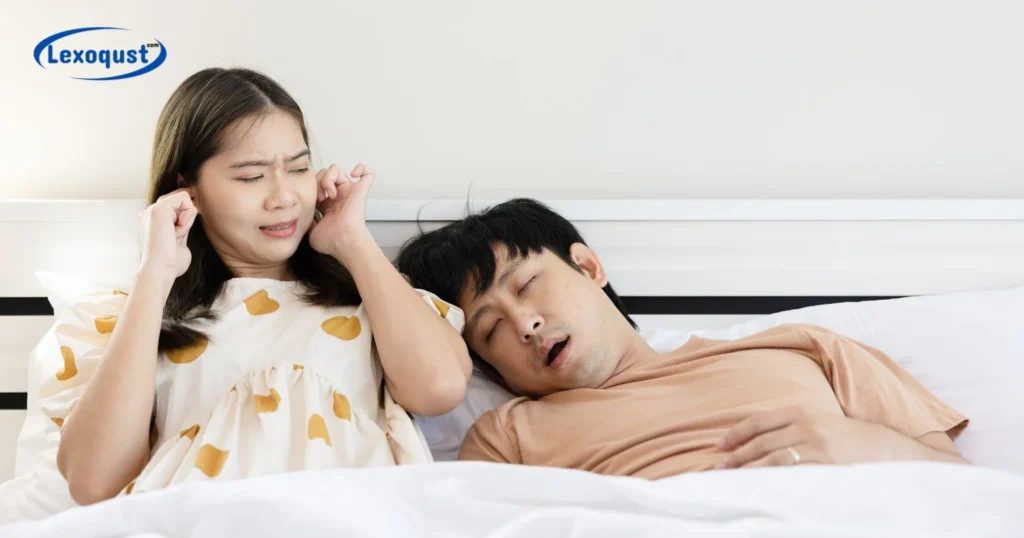
Meaning: Signifies loud, hearty laughter often triggered by humor or surprise.
Definition: A more exaggerated and robust form of laughing than a simple chuckle.
Tone: Boisterous, jovial, and carefree.
Example: “He couldn’t stop guffawing loudly at the comedian’s witty punchline.”
Explanation: Shows an authentic, physical reaction to humor, making writing relatable.
Purpose and Personalization: Ideal for storytelling or character dialogue. Can be softened with adverbs for subtler humor.
13. Laughing My Head Off
Meaning: Indicates extreme amusement that feels overwhelming.
Definition: A colloquial expression used to emphasize uncontrollable laughter.
Tone: Informal, enthusiastic, and playful.
Example: “I was laughing my head off at the unexpected plot twist.”
Explanation: Communicates intense humor clearly, creating a vivid connection with readers.
Purpose and Personalization: Perfect for casual writing or social media. Tailor it by adjusting context to match audience familiarity and style.
Read More: Funny Ways to Say “I’m Out Of Here”
14. Belly Laughing
Meaning: Conveys laughter that is deep, full-bodied, and heartfelt.
Definition: A laugh that originates from genuine amusement, often loud and infectious.
Tone: Warm, joyful, and hearty.
Example: “The kids were belly laughing at the clown’s silly antics.”
Explanation: Suggests authenticity and joy, helping writing feel engaging and sincere.
Purpose and Personalization: Great for narrative storytelling. Can be paired with descriptive action to heighten imagery.
15. Tickled Pink
Meaning: Expresses delight or amusement in a lighthearted, charming way.
Definition: A cheerful way to indicate that something has pleased or amused you.
Tone: Playful, happy, and affectionate.
Example: “She was tickled pink by the thoughtful surprise gift.”
Explanation: Adds a gentle, whimsical touch to writing, showing appreciation or humor.
Purpose and Personalization: Suitable for friendly, upbeat contexts. Adjust formality depending on audience or medium.
16. Intense Giggles
Meaning: Depicts uncontrollable, often high-pitched laughter triggered by amusement or nervousness.
Definition: Quick, repetitive laughs showing strong emotional response.
Tone: Excited, slightly chaotic, and playful.
Example: “The children burst into intense giggles during the puppet show.”
Explanation: Highlights vulnerability or sheer joy, making writing feel lively and relatable.
Purpose and Personalization: Perfect for character interactions or lighthearted storytelling. Can tone down for professional writing while keeping charm.
17. Rolling on the Floor Laughing
Meaning: Emphasizes extreme amusement to the point of physical reaction.
Definition: An exaggerated way to show uncontrollable laughter.
Tone: Over-the-top, humorous, and playful.
Example: “I was rolling on the floor laughing after seeing the viral video.”
Explanation: Conveys maximum comedic impact, capturing reader attention instantly.
Purpose and Personalization: Use in casual or social writing for humor. Modify intensity with context to suit tone.
18. Laugh Attack
Meaning: Describes a sudden, intense burst of laughter that is hard to control.
Definition: A spontaneous reaction to something hilariously unexpected.
Tone: Energetic, whimsical, and lively.
Example: “She experienced a laugh attack when the dog stole her sandwich.”
Explanation: Adds a dynamic, playful energy to writing, making scenes feel alive.
Purpose and Personalization: Works well in informal or anecdotal writing. Can be paired with narrative detail to enhance reader connection.
19. Laughing Out Loudly
Meaning: Signals clear, audible laughter that expresses amusement openly.
Definition: A straightforward way to indicate someone is genuinely entertained.
Tone: Cheerful, expressive, and sincere.
Example: “I was laughing out loudly at his clever pun during dinner.”
Explanation: Encourages authenticity in writing, showing emotional openness.
Purpose and Personalization: Suitable for personal writing, blogs, or social media. Can be softened with modifiers for a subtler tone.
20. Smirking Amusedly
Meaning: Suggests restrained, knowing laughter, often with a hint of irony or wit.
Definition: A subtle expression of amusement without full-blown laughter.
Tone: Witty, playful, and slightly mischievous.
Example: “He was smirking amusedly at the sarcastic comment.”
Explanation: Adds nuance to writing, showing thoughtful or understated humor.
Purpose and Personalization: Perfect for character reactions or sophisticated humor. Adjust for tone by pairing with descriptive gestures or inner thoughts.
21. Chuckle Fest
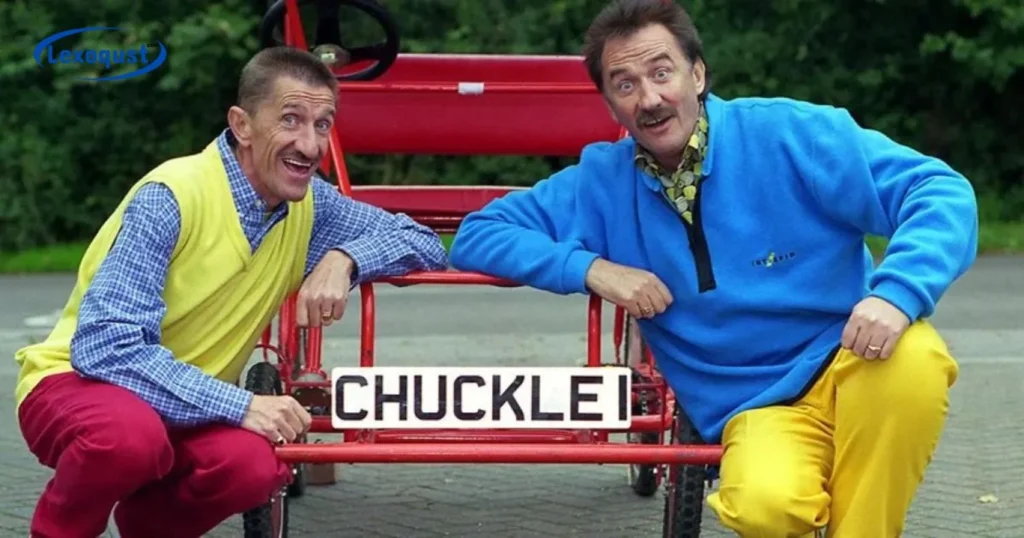
Meaning: Conveys a moment filled with light, continuous laughter.
Definition: A casual way to describe a fun, laughter-filled experience.
Tone: Playful and lighthearted
Example: The movie was such a chuckle fest, I couldn’t stop smiling all night.
Explanation: Using this phrase adds a sense of ongoing amusement, showing genuine enjoyment.
Purpose and Personalization: Perfect for informal writing or personal stories; adjust by adding context to match humor style or audience familiarity.
22. Cracking a Smile
Meaning: Indicates subtle amusement or the start of laughter.
Definition: A gentle expression of humor or pleasure.
Tone: Warm and encouraging
Example: She couldn’t help cracking a smile at his witty comment.
Explanation: Highlights light humor without exaggeration, creating a relatable tone.
Purpose and Personalization: Ideal for essays, letters, or narratives; can be made more playful or formal depending on context.
23. Grinning Ear to Ear
Meaning: Shows intense happiness or amusement.
Definition: A vivid way to depict a full, expressive smile.
Tone: Joyful and exuberant
Example: He was grinning ear to ear after reading the funny email.
Explanation: Conveys strong positive emotion, making your writing more vivid.
Purpose and Personalization: Use in descriptive writing or personal anecdotes; amplify for humor or soften for subtlety.
24. Bursting into Giggles
Meaning: Represents spontaneous, light laughter.
Definition: A sudden outbreak of laughter, often playful or contagious.
Tone: Cheerful and lively
Example: The kids kept bursting into giggles during the puppet show.
Explanation: Captures the spontaneity of amusement, adding liveliness to the scene.
Purpose and Personalization: Great for storytelling or dialogue; tone can be playful or gentle depending on the audience.
Read More: Funny Ways to Say “No To A Date”
25. Laughing Till I Cry
Meaning: Emphasizes extreme amusement or hilarity.
Definition: Laughter so intense it brings tears to the eyes.
Tone: Exuberant and heartfelt
Example: That stand-up performance had me laughing till I cried.
Explanation: Expresses high emotional engagement, making humor relatable and impactful.
Purpose and Personalization: Perfect for informal blogs or personal anecdotes; can be toned down for formal narratives.
26. Snorting Laughs
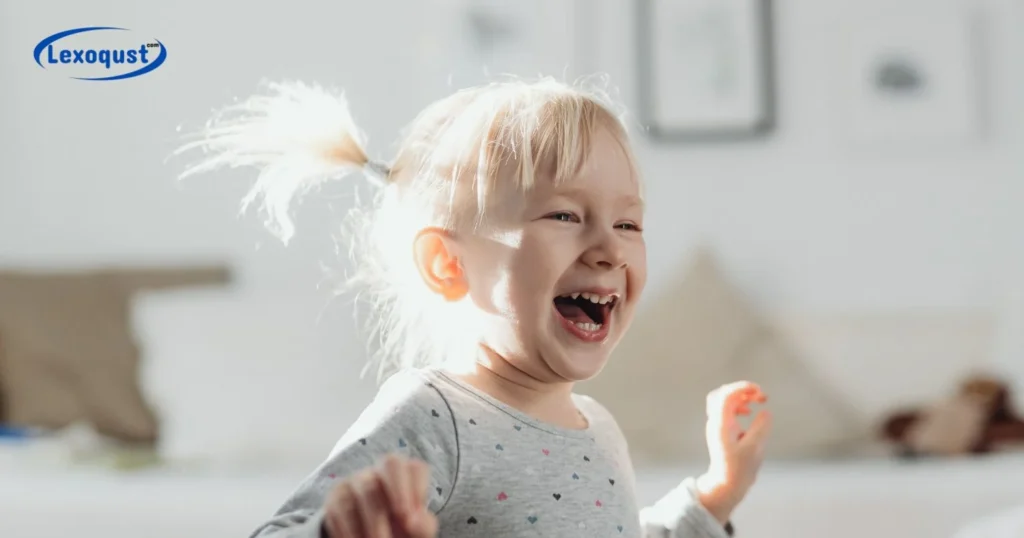
Meaning: Highlights uncontrollable or unexpected laughter.
Definition: A humorous sound that accompanies strong amusement.
Tone: Playful and candid
Example: He couldn’t hide snorting laughs during the joke.
Explanation: Adds realism and personality, showing genuine reaction.
Purpose and Personalization: Works well in casual writing or dialogue; adjust intensity to fit audience or mood.
27. Hearty Laughter
Meaning: Depicts full-bodied, sincere laughter.
Definition: Laughter that is robust and genuine.
Tone: Warm and energetic
Example: The group shared hearty laughter over the old stories.
Explanation: Conveys authenticity and connection, making writing more engaging.
Purpose and Personalization: Use in storytelling or memoirs; can be formalized or kept casual depending on style.
28. Joyful Cackles
Meaning: Suggests playful or mischievous laughter.
Definition: Short, spirited bursts of laughter reflecting delight.
Tone: Light and cheerful
Example: Her joyful cackles filled the room as she opened the surprise gift.
Explanation: Adds a fun, whimsical element that enlivens the scene.
Purpose and Personalization: Ideal for personal narratives or creative writing; tweak for subtle humor or exaggerated effect.
29. Laughing Fit
Meaning: Indicates uncontrollable, often sudden laughter.
Definition: A period of intense, sometimes overwhelming amusement.
Tone: Energetic and spontaneous
Example: We had a laughing fit over the silly video.
Explanation: Shows authenticity and relatability, engaging readers through shared humor.
Purpose and Personalization: Perfect for informal writing or dialogue; can be softened for subtle humor or exaggerated for comedic effect.
30. Tittering Softly
Meaning: Represents quiet, restrained laughter.
Definition: Gentle, often polite laughter that conveys amusement.
Tone: Gentle and subtle
Example: She tittered softly at the clever remark.
Explanation: Adds nuance and sophistication, showing controlled emotion in writing.
Purpose and Personalization: Suitable for formal or semi-formal writing; can be made playful in lighthearted contexts.
31. Rolling in Laughter
Meaning: Expresses finding something extremely funny in a lively, visual way.
Definition: Indicates an intense, almost physical reaction to humor.
Tone: Energetic and playful.
Example: “I was rolling in laughter when I read her hilarious story.”
Explanation: This phrase vividly conveys genuine amusement, helping readers feel the humor along with the writer.
Purpose and Personalization: Use to inject lively energy into narratives or casual writing. Adjust by adding personal context, e.g., “I couldn’t stop rolling in laughter at my friend’s prank,” for warmth and relatability.
32. Laughing Uncontrollably
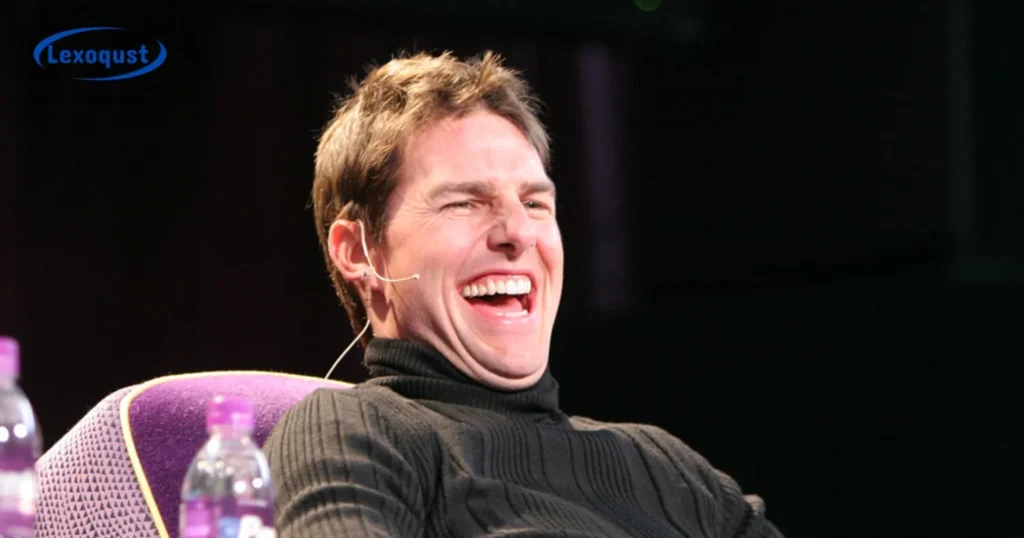
Meaning: Shows a loss of composure due to humor.
Definition: Describes laughing so much that it becomes difficult to stop.
Tone: Exuberant and spontaneous.
Example: “The movie was so funny I found myself laughing uncontrollably.”
Explanation: Highlights strong emotional reaction, making your writing feel authentic and relatable.
Purpose and Personalization: Ideal for storytelling or casual communication. Writers can intensify the effect with adverbs or contextual details to match personal style.
33. Amused Snickers
Meaning: Indicates quiet, restrained laughter at something witty or ironic.
Definition: A soft, often subtle expression of amusement.
Tone: Lighthearted and playful.
Example: “She let out a few amused snickers at the clever remark.”
Explanation: Conveys humor without overwhelming the narrative, maintaining elegance in tone.
Purpose and Personalization: Perfect for professional or semi-formal writing where subtlety is preferred. Adjust phrasing to suit your audience or maintain narrative flow.
34. Laughing Like Wild
Meaning: Suggests an intense, spirited reaction to humor.
Definition: Indicates unrestrained, boisterous laughter.
Tone: Fun, carefree, and exuberant.
Example: “We were all laughing like wild at the comedian’s antics.”
Explanation: Captures the energy and liveliness of the moment, making the scene more engaging.
Purpose and Personalization: Useful in casual storytelling or blog writing. Can be paired with descriptive adjectives to match the writer’s personal style.
35. Comic Relief Laughs
Meaning: Highlights humor that eases tension or lightens mood.
Definition: Laughter serving as a moment of relief in a narrative or conversation.
Tone: Humorous and uplifting.
Example: “His witty comment brought comic relief laughs during the tense meeting.”
Explanation: Helps balance tone and maintains reader engagement by introducing lightheartedness.
Purpose and Personalization: Great for essays, stories, or presentations. Adjust intensity and context to fit the formality or playfulness of your writing.
Conclusion
Choosing the right words can transform simple phrases like “I’m Laughing” into expressions full of personality and nuance. By exploring funny ways to say “I’m Laughing”, you empower your writing with warmth, humor, and authenticity. I encourage you to experiment with these alternatives in essays, blog posts, personal letters, or social media captions, tailoring each phrase to your unique voice.
Thoughtful language strengthens connections with your readers and makes your messages memorable. Start incorporating these playful and expressive options today, and watch your writing spark joy, engage audiences, and leave a lasting impression.

Hi! I’m Amelia Ashford, the admin of Lexoqust.com. Here, we dive deep into the world of synonyms to help you express yourself better.From everyday words to advanced vocabulary, Lexoqust makes your writing richer and more refined.