When it comes to writing with impact, every word counts. Even a simple phrase like “Free” can shape how your message is received, whether in essays, reports, emails, or personal letters.
Choosing the right alternative adds warmth, creativity, and personality, making your communication more memorable and persuasive. In this guide, we’ll explore 33 funny and clever ways to say “Free”, helping writers inject humor, charm, and style into their work.
By experimenting with these expressive alternatives, you can refine your writing voice, captivate your readers, and elevate everyday phrases into dynamic, engaging language.
1. Complimentary
Meaning: Suggests something is provided as a kind gesture.
Definition: Offered without requiring payment, often as a courtesy.
Tone: Warm, polite, and inviting.
Example: “Enjoy a complimentary coffee with your breakfast.”
Explanation: Using complimentary adds a touch of elegance and friendliness, making the offer feel thoughtful.
Purpose and Personalization: Encourages positive reader perception; adjust tone to be formal or casual depending on your audience.
2. On the House
Meaning: Implies the item or service is provided by the host without cost.
Definition: Something provided free by a business or individual.
Tone: Friendly, casual, and generous.
Example: “Dessert is on the house tonight!”
Explanation: Adds a personal, approachable feel that fosters goodwill.
Purpose and Personalization: Great for informal writing or storytelling; can be tailored with humor or warmth.
3. No-Cost
Meaning: Highlights that no payment is required.
Definition: Something available without any financial charge.
Tone: Neutral, clear, and informative.
Example: “Sign up today for a no-cost trial.”
Explanation: Simple and straightforward, emphasizing accessibility.
Purpose and Personalization: Ideal for professional or promotional writing; maintain clarity to suit your audience.
4. Gratis
Meaning: Indicates something is free as a matter of goodwill.
Definition: Provided without payment, often in formal or literary contexts.
Tone: Elegant, formal, and slightly sophisticated.
Example: “The tickets were offered gratis to local students.”
Explanation: Lends a refined touch, signaling generosity with style.
Purpose and Personalization: Best for formal writing or high-end contexts; tone can be elevated to match content.
5. Zero Charge
Meaning: Clearly communicates that no money is required.
Definition: Free of financial cost or obligation.
Tone: Direct, factual, and unambiguous.
Example: “Access to the workshop comes at zero charge.”
Explanation: Eliminates ambiguity, making the offer transparent.
Purpose and Personalization: Works for business or technical writing; keep phrasing precise to maintain trust.
6. Without Payment
Meaning: Emphasizes that the reader does not need to pay.
Definition: Something provided without requiring any financial exchange.
Tone: Informative, straightforward, and neutral.
Example: “All resources are available without payment.”
Explanation: A formal and clear alternative to “free,” suitable for professional contexts.
Purpose and Personalization: Useful in reports or guides; adjust formality based on your audience.
7. Freebie
Meaning: Casual, playful term for something free.
Definition: An item given without charge, often as a treat or promotion.
Tone: Fun, lighthearted, and friendly.
Example: “Grab a freebie at our booth!”
Explanation: Adds a fun and approachable vibe to writing, appealing to casual audiences.
Purpose and Personalization: Perfect for marketing, social media, or playful content; tone can be energetic or humorous.
Read More: Funny Ways to Say “Good Morning To Your Boyfriend”
8. Costless
Meaning: Highlights the absence of cost in a formal or descriptive manner.
Definition: Having no financial burden or expense.
Tone: Neutral, slightly formal, and descriptive.
Example: “Enjoy costless access to all online tutorials.”
Explanation: Conveys clarity and professionalism while emphasizing value.
Purpose and Personalization: Suitable for educational or informational content; adjust tone for formal vs casual contexts.
9. Courtesy of
Meaning: Indicates something is provided as a gesture of goodwill.
Definition: Offered free by someone or an organization as a favor.
Tone: Polite, gracious, and appreciative.
Example: “Refreshments are available courtesy of our sponsors.”
Explanation: Highlights generosity and builds a connection with the reader.
Purpose and Personalization: Ideal for acknowledgment sections or formal writing; tone can be warm or formal.
10. Free of Charge
Meaning: Directly states that no payment is necessary.
Definition: Provided without requiring any monetary exchange.
Tone: Clear, neutral, and professional.
Example: “The service is free of charge for all first-time users.”
Explanation: Simple and universally understood, suitable for formal or public communications.
Purpose and Personalization: Effective for clear instructions, promotional materials, or official writing; maintain simplicity for maximum clarity.
11. No Fee
Meaning: Indicates that a service or item requires no payment.
Definition: A phrase used to highlight that something is available without financial obligation.
Tone: Neutral and informative.
Example: “Participants can attend the workshop at no fee.”
Explanation: This phrase effectively communicates cost-free benefits, making it clear to readers that there’s no financial barrier.
Purpose and Personalization: Ideal for professional or educational contexts. Adjust formality based on audience use “no charge” for casual content or “no fee” for formal writing.
12. Gifted
Meaning: Suggests that something is provided as a special offering without expectation of payment.
Definition: Refers to items or services given freely as a present or reward.
Tone: Warm and appreciative.
Example: “She received a beautifully gifted book from the author.”
Explanation: Implies generosity and thoughtfulness, enhancing the reader’s emotional connection.
Purpose and Personalization: Great for personal letters, blogs, or promotional content. Tailor by using “gifted” for tangible items or experiences.
Read More: Funny Ways to Say “Good Morning Over Text”
13. Pro Bono
Meaning: Denotes professional services offered without charge.
Definition: Commonly used in legal, medical, or consulting contexts for voluntary work.
Tone: Respectful and professional.
Example: “The lawyer provided pro bono assistance to the nonprofit.”
Explanation: Highlights altruism and expertise, establishing credibility and goodwill.
Purpose and Personalization: Suitable for professional communications. Adjust tone by explaining the context or emphasizing the service’s value.
14. Charge-Free
Meaning: Emphasizes that no payment is required.
Definition: A clear, straightforward way to indicate free availability.
Tone: Friendly and reassuring.
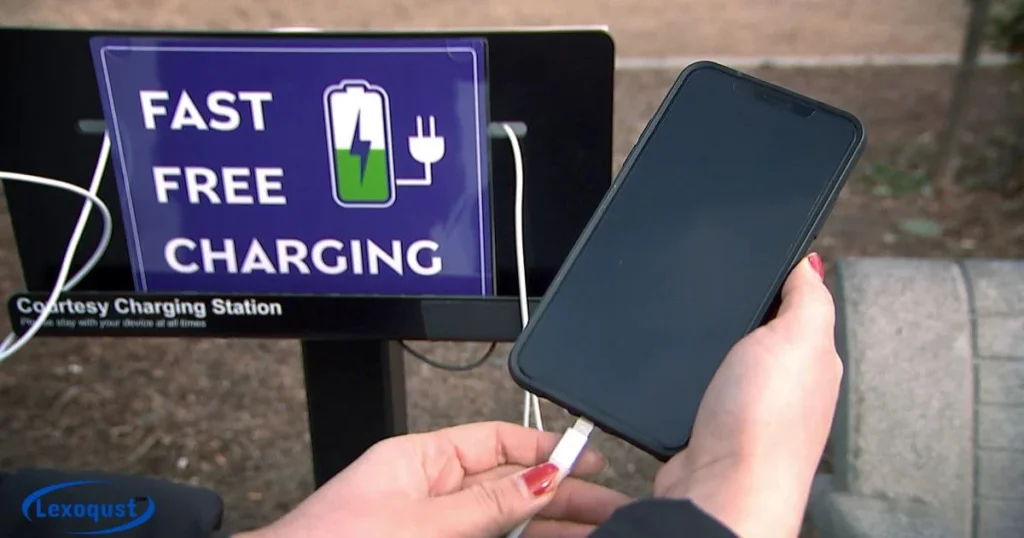
Example: “Enjoy charge-free Wi-Fi throughout your stay.”
Explanation: Quickly conveys benefit, reducing hesitation or doubt for readers.
Purpose and Personalization: Works well in marketing or informational writing. Adapt by using more casual alternatives like “no cost” for lighter content.
15. Included
Meaning: Implies that something is part of a package at no extra cost.
Definition: Highlights that a feature, service, or item comes without additional payment.
Tone: Informative and positive.
Example: “Breakfast is included with your room reservation.”
Explanation: Helps readers understand value, emphasizing completeness or convenience.
Purpose and Personalization: Useful in product descriptions or service listings. Tailor by specifying which features are included for clarity.
16. Without Cost
Meaning: Directly states that no payment is necessary.
Definition: A literal way to indicate a free item or service.
Tone: Clear and straightforward.
Example: “All attendees receive materials without cost.”
Explanation: Provides unambiguous information, ensuring readers immediately grasp the benefit.
Purpose and Personalization: Ideal for formal or instructional writing. Adjust by using “free of charge” for a more polished tone.
17. Bonus
Meaning: Suggests an extra item or service provided at no extra cost.
Definition: A supplementary offering given freely, often as a reward or incentive.
Tone: Exciting and appealing.
Example: “Sign up today and get a bonus e-book.”
Explanation: Creates a sense of added value, engaging readers and encouraging action.
Purpose and Personalization: Perfect for marketing or promotional content. Personalize by specifying the bonus type or relevance to your audience.
18. Free Access
Meaning: Indicates that entry or use of a service is available without payment.
Definition: Grants permission to use or view something at no cost.
Tone: Inviting and encouraging.
Example: “Subscribers enjoy free access to premium articles.”
Explanation: Attracts readers by emphasizing opportunity and inclusivity.
Purpose and Personalization: Effective for digital content or memberships. Adjust tone to match exclusivity or casual accessibility.
19. Unpaid
Meaning: Signifies that no payment is provided or required.
Definition: Can refer to work, services, or items offered without financial compensation.
Tone: Neutral and factual.
Example: “She contributed unpaid hours to the community project.”
Explanation: Conveys transparency about cost or compensation, helping readers set expectations.
Purpose and Personalization: Suitable for volunteer or professional contexts. Use cautiously, as it may carry formal or serious undertones.
Read More: Funny Ways to Say “Grace Before Meals”
20. Promotional
Meaning: Denotes that something is offered for marketing purposes, often at no cost.
Definition: Used to describe items, services, or deals given to attract attention or encourage engagement.
Tone: Exciting and persuasive.
Example: “Get a promotional tote bag with every purchase this week.”
Explanation: Highlights incentives and encourages participation, appealing to reader interest.
Purpose and Personalization: Best for advertising or brand messaging. Tailor by emphasizing exclusivity, duration, or value of the promotion.
21. On Us
Meaning: Suggests the cost is being covered by the provider, adding a friendly and generous touch.
Definition: Indicates that the item or service is provided at no charge to the recipient.
Tone: Warm, inviting, and generous.
Example: “Your first coffee is on us when you visit today.”
Explanation: This phrase makes the offer feel personal and thoughtful, connecting with readers by emphasizing generosity.
Purpose and Personalization: Ideal for creating a friendly, approachable tone. Writers can adjust it for casual promotions or formal announcements by tweaking surrounding language.
22. Gratis Offer
Meaning: Highlights that something is provided entirely free of charge.
Definition: A formal way of indicating no payment is required.
Tone: Professional, sophisticated, and neutral.
Example: “We are pleased to provide a gratis offer for all new subscribers.”
Explanation: Using “gratis” elevates the message, making it sound refined while still emphasizing no cost.
Purpose and Personalization: Works well in business or formal contexts. Adjust tone by pairing with either casual or professional phrasing depending on the audience.
23. No Strings Attached
Meaning: Communicates freedom and lack of obligations with an offer.
Definition: Indicates that accepting the offer requires no commitment or hidden conditions.
Tone: Reassuring, honest, and relaxed.
Example: “Take the eBook, no strings attached, and enjoy it today.”
Explanation: This phrase builds trust by assuring readers they won’t be pressured or bound.
Purpose and Personalization: Great for marketing and persuasive writing. Tone can be playful or serious based on context.
24. Free Giveaway
Meaning: Highlights an item being distributed without cost.
Definition: Refers to a product or service provided freely to an audience.
Tone: Exciting, generous, and promotional.
Example: “Join our newsletter to get a free giveaway this week!”
Explanation: Captures attention and generates enthusiasm by emphasizing the act of giving.
Purpose and Personalization: Perfect for campaigns and engagement strategies. Writers can adjust excitement level with adjectives or exclamation points.
25. Complimentary Offer

Meaning: Emphasizes courtesy and generosity in providing something at no charge.
Definition: A polite way to indicate that a product or service is free.
Tone: Courteous, professional, and inviting.
Example: “Enjoy a complimentary offer of spa services during your stay.”
Explanation: Adds elegance and professionalism, enhancing perceived value.
Purpose and Personalization: Useful in hospitality or corporate writing. Tone can be tailored with adjectives or phrasing to suit brand personality.
26. Free Admission
Meaning: Specifies that entry or participation costs nothing.
Definition: Grants access without requiring payment.
Tone: Informative, welcoming, and encouraging.
Example: “All visitors receive free admission on the first Sunday of each month.”
Explanation: Clearly communicates value while encouraging participation.
Purpose and Personalization: Best for events or attractions. Can be personalized by highlighting dates, perks, or special experiences.
27. Free Sample
Meaning: Offers a small portion or trial at no cost to entice interest.
Definition: A complimentary portion of a product for evaluation.
Tone: Friendly, persuasive, and engaging.
Example: “Try a free sample of our new smoothie flavors today.”
Explanation: Provides an opportunity for readers to experience the product firsthand, increasing trust and likelihood of conversion.
Purpose and Personalization: Ideal for product launches. Adjust the tone by emphasizing excitement, exclusivity, or simplicity.
Read More: Funny Ways to Say “Had Sex” with Examples
28. Free Perk
Meaning: Highlights an additional benefit provided without cost.
Definition: An extra advantage or bonus offered to the audience for free.
Tone: Playful, appealing, and positive.
Example: “Sign up now and receive a free perk with your first order.”
Explanation: Enhances perceived value and encourages engagement by adding a fun bonus.
Purpose and Personalization: Perfect for marketing or promotional writing. Can be customized with specific perks to match brand voice.
29. Zero Cost Offer
Meaning: Stresses that no payment is required for the offer.
Definition: A straightforward declaration that the item or service is completely free.
Tone: Clear, assertive, and transparent.
Example: “Take advantage of this zero cost offer while it lasts.”
Explanation: Eliminates ambiguity, reassuring readers about the offer’s authenticity.
Purpose and Personalization: Ideal for promotional materials or formal communications. Tone can be adjusted by pairing with urgency or excitement.
30. Free Trial
Meaning: Allows users to experience a product or service without payment for a limited time.
Definition: A time-bound offer to use a product or service at no cost.
Tone: Encouraging, persuasive, and inviting.
Example: “Start your free trial today and explore all premium features.”
Explanation: Encourages readers to engage by lowering barriers to entry, building trust through experience.
Purpose and Personalization: Common in subscription or digital services. Writers can emphasize duration, benefits, or exclusivity to match style and tone.
31. No-Cost Benefit
Meaning: Highlights an advantage or perk that comes without any financial obligation.
Definition: Refers to a positive feature or service provided without charge.
Tone: Encouraging and appealing.
Example: “Enjoy the no-cost benefit of our expert tips when you subscribe.”
Explanation: This phrase emphasizes value while keeping the message approachable, making readers feel rewarded.
Purpose and Personalization: Use it to make offers feel accessible and generous. Adjust the style by adding humor or formality depending on your audience.
32. Gifted Access
Meaning: Indicates exclusive entry or benefits given freely as a special privilege.
Definition: Permission or opportunity granted without payment, often conveying exclusivity.
Tone: Thoughtful and premium.
Example: “Members receive gifted access to our curated content library.”
Explanation: Suggests prestige and care, making the recipient feel valued.
Purpose and Personalization: Ideal for highlighting exclusivity or VIP treatment. Tailor wording to be playful or sophisticated based on your content style.
33. Free Offerings
Meaning: Refers to items, services, or experiences provided at no cost.
Definition: Goods or services that are available without financial exchange.
Tone: Inviting and generous.
Example: “Explore our free offerings and discover new skills today.”
Explanation: Clearly communicates value and encourages engagement, appealing to curiosity.
Purpose and Personalization: Use to promote multiple freebies or resources. Adjust phrasing to be casual for blogs or professional for business reports.
34. Free Pass
Meaning: Grants permission or access without charge, often temporarily.
Definition: A complimentary ticket or entry, allowing participation without cost.
Tone: Fun and exciting.
Example: “Claim your free pass to attend the virtual workshop this weekend.”
Explanation: Creates a sense of opportunity and urgency, motivating readers to act.
Purpose and Personalization: Perfect for events or limited-time offers. Can be made playful, urgent, or formal depending on your audience.
35. Free Entry
Meaning: Allows participation or access to an event or space at no cost.
Definition: Admission or access granted without requiring payment.
Tone: Welcoming and accessible.
Example: “Enjoy free entry to the art exhibition all weekend long.”
Explanation: Emphasizes inclusivity and encourages participation.
Purpose and Personalization: Ideal for events, exhibitions, or promotions. Adjust wording to highlight exclusivity, urgency, or casual friendliness based on tone.
Conclusion
Choosing the right words can transform simple phrases into memorable communication, and exploring funny ways to say “Free” shows how creativity adds warmth and personality to writing. By experimenting with these alternatives, you can make your essays, blog posts, or personal letters more engaging and authentic.
Thoughtful language strengthens connection, captures attention, and reflects your unique voice. I encourage you to try these expressive phrases in your own writing to turn ordinary offers into lively, reader-friendly messages. Let this guide be your resource for enhancing clarity, charm, and impact in every word you choose.
FAQs About Funny Ways to Say “Free”
1. How To Say Free Without Saying Free Funny?
You can use playful phrases like on the house, zero bucks, gratis vibes, no charge zone, or wallet stays closed to keep things humorous and lighthearted.
2. What Is Slang For Free?
Popular slang terms include freebie, comped, on the house, no-cost, and zeroed out, often used in casual conversations and online posts.
3. What Is A Fancy Way To Say “Free”?
Elegant alternatives include complimentary, gratis, pro bono, or provided at no charge, which sound polished and professional.
4. What Words Can Be Used Instead Of Free?
Great substitutes include complimentary, no-cost, included, gifted, on the house, free-of-charge, and at zero cost.
5. What Are Trendy Ways To Say Something Is Free In 2026?
Trending phrases include zero-dollar deal, costless perk, price-tagless, no-pay play, and freebie drop, perfect for social media and modern marketing.

Hi! I’m Amelia Ashford, the admin of Lexoqust.com. Here, we dive deep into the world of synonyms to help you express yourself better.From everyday words to advanced vocabulary, Lexoqust makes your writing richer and more refined.