Choosing the right words can transform everyday writing from ordinary to memorable. Take the simple word “food” common in essays, reports, or personal letters yet often lacking warmth or personality.
By exploring funny ways to say “food”, writers can inject humor, creativity, and nuance into their communication, making messages more engaging and relatable. Whether crafting a playful story, a witty email, or a casual note, selecting thoughtful alternatives helps convey tone and emotion effectively.
In this guide, we’ve compiled 33 clever and expressive substitutes for “food”, empowering you to elevate your writing style with charm and originality.
1. Grub
Meaning: Informal term for food, often used in casual or playful writing.
Definition: Refers to meals or sustenance in a relaxed, friendly way.
Tone: Casual, fun, approachable.
Example: “After the hike, we all dug into some delicious grub.”
Explanation: Using grub adds a laid-back, relatable vibe to your writing, making it feel more conversational.
Purpose and Personalization: Ideal for friendly stories or casual blogs. Adjust the tone by pairing with humor or light storytelling to match your style.
2. Chow
Meaning: Slang for hearty or satisfying food.
Definition: A playful way to refer to a meal or eating session.
Tone: Energetic, informal.
Example: “The campers gathered around for some hot chow.”
Explanation: Chow conveys fun and immediacy, perfect for engaging readers in a casual narrative.
Purpose and Personalization: Best for lively, humorous content. Use in storytelling or personal anecdotes to connect naturally with the audience.
3. Nosh
Meaning: A light snack or small meal, often informal.
Definition: Refers to nibbling or casual eating rather than a full meal.
Tone: Friendly, easygoing.
Example: “I grabbed a quick nosh before heading out.”
Explanation: Nosh gives writing a playful, approachable tone, suggesting comfort and casual enjoyment.
Purpose and Personalization: Works well in blog posts or lifestyle content. Pair with personal touches or anecdotes for a warm feel.
4. Munchies
Meaning: Small bites or cravings between meals.
Definition: Refers to snack foods or quick, casual eating moments.
Tone: Fun, lighthearted, slightly indulgent.
Example: “Movie nights always come with plenty of munchies.”
Explanation: Using munchies adds humor and relatability, tapping into everyday experiences.
Purpose and Personalization: Perfect for playful, casual writing. Adjust by highlighting specific snacks or cultural references.
5. Eats
Meaning: General term for food, often used in informal contexts.
Definition: A simple, versatile synonym for meals or dishes.
Tone: Casual, straightforward, friendly.
Example: “The new café offers amazing eats for brunch.”
Explanation: Eats keeps writing light and accessible, appealing to a broad audience.
Purpose and Personalization: Use in reviews, blog posts, or social media. Add flair by describing the type or vibe of the food.
Read More: Funny Ways to Say “Free” With Examples
6. Snackables
Meaning: Bite-sized foods or treats, often fun and easy to share.
Definition: Refers to small, enjoyable food items perfect for snacking.
Tone: Playful, modern, trendy.
Example: “The party table was filled with colorful snackables.”
Explanation: Snackables creates a lively and appealing visual, engaging readers instantly.
Purpose and Personalization: Ideal for lifestyle or party-themed content. Highlight variety or presentation to enhance reader interest.
7. Nom Noms
Meaning: A cute, informal way to refer to tasty food.
Definition: Suggests deliciousness and enjoyment in eating.
Tone: Playful, affectionate, fun.
Example: “The cupcakes looked so good, I couldn’t resist the nom noms.”
Explanation: Nom Noms adds a whimsical and friendly tone, great for light-hearted or food-focused writing.
Purpose and Personalization: Use in casual blogs or social media captions. Enhance personality by pairing with emojis or playful imagery.
8. Fuel
Meaning: Food as a source of energy and sustenance.
Definition: Refers to meals that nourish and energize the body.
Tone: Motivational, practical, purposeful.
Example: “A healthy breakfast is essential fuel for a productive day.”
Explanation: Fuel conveys care and intentionality, showing the writer values health and energy.
Purpose and Personalization: Suitable for wellness, fitness, or lifestyle writing. Adjust formality depending on the audience, from casual tips to professional advice.
9. Bite-Sized Goodies
Meaning: Small, delightful portions of food that are easy to enjoy.
Definition: Refers to tiny treats or snacks presented attractively.
Tone: Cheerful, inviting, indulgent.
Example: “The dessert tray was filled with adorable bite-sized goodies.”
Explanation: Using bite-sized goodies evokes visual appeal and curiosity, making readers eager to try.
Purpose and Personalization: Perfect for food blogs or party guides. Highlight variety or presentation for extra engagement.
10. Yummies
Meaning: Fun, light-hearted way to describe delicious food.
Definition: Informal term that emphasizes taste and enjoyment.
Tone: Playful, enthusiastic, friendly.
Example: “The chocolate cake was one of the best yummies I’ve ever had.”
Explanation: Yummies create excitement and warmth, making content feel approachable and cheerful.
Purpose and Personalization: Ideal for blogs, social media, or casual writing. Adjust tone by pairing with sensory descriptions to enhance reader experience.
Read More: Funny Ways to Say “Get Lost” with Examples
11. Treats
Meaning: Suggests small, enjoyable food items that bring joy or indulgence.
Definition: Bite-sized or special foods meant to delight.
Tone: Playful, lighthearted, and indulgent.
Example: “After a long day, I like to unwind with little treats.”
Explanation: Using “treats” conveys warmth and makes writing relatable, appealing to readers’ sense of enjoyment.
Purpose and Personalization: Encourages a friendly, indulgent tone. Adjust by specifying the type of treat or the context, e.g., casual snack vs. luxurious dessert.
12. Bites
Meaning: Refers to small portions of food, emphasizing simplicity or ease.
Definition: Compact servings meant for quick eating.
Tone: Casual, energetic, approachable.
Example: “Grab a few bites before heading to the meeting.”
Explanation: Short, punchy wording keeps the writing light and fast-paced.
Purpose and Personalization: Perfect for informal pieces or snack-focused content; tweak for humor or sophistication by pairing with descriptive adjectives.
13. Tasty Tidbits
Meaning: Implies flavorful, interesting, or shareable pieces of food.
Definition: Small, delicious portions that catch attention.
Tone: Fun, inviting, and flavorful.
Example: “She offered tasty tidbits during the tea party.”
Explanation: Makes writing more vivid and sensory, appealing to the reader’s imagination.
Purpose and Personalization: Adds charm and creativity; personalize by specifying flavors, ingredients, or occasions.
14. Grub Hub (playful)
Meaning: A playful term for a central place for food or casual dining.
Definition: Informal reference to food or meals, often communal.
Tone: Humorous, quirky, modern.
Example: “Friday nights are reserved for our local Grub Hub adventures.”
Explanation: Adds humor and a contemporary vibe, engaging readers with cultural references.
Purpose and Personalization: Ideal for casual, trendy writing; adjust humor level depending on audience familiarity.
15. Comfort Eats

Meaning: Highlights foods that provide emotional warmth and nostalgia.
Definition: Familiar, satisfying dishes that soothe and satisfy.
Tone: Cozy, nurturing, reassuring.
Example: “Nothing beats comfort eats on a rainy day.”
Explanation: Connects with readers’ emotions, making content feel relatable and personal.
Purpose and Personalization: Use to evoke nostalgia or care; personalize by naming specific dishes or family favorites.
Read More: Funny Ways to Say “Farewell/Goodbye”
16. Delish Delights
Meaning: Emphasizes delicious, indulgent, or specially prepared foods.
Definition: Tasty and enjoyable treats designed to excite the palate.
Tone: Cheerful, enticing, playful.
Example: “The bakery’s delish delights had everyone coming back for more.”
Explanation: Adds enthusiasm and sensory appeal to writing.
Purpose and Personalization: Perfect for food reviews or playful blogs; tweak adjectives to match your style or intensity of flavor.
17. Foodie Finds
Meaning: Refers to exciting or noteworthy food discoveries.
Definition: Interesting dishes or culinary experiences worth trying.
Tone: Adventurous, enthusiastic, curious.
Example: “Check out my foodie finds from the weekend market.”
Explanation: Encourages exploration and excitement, connecting with readers’ curiosity.
Purpose and Personalization: Great for blogs or social media; adjust tone for humor, sophistication, or casual recommendation.
18. Savory Snacks
Meaning: Highlights small, flavorful, and often salty foods.
Definition: Tasty bites that satisfy savory cravings.
Tone: Approachable, satisfying, casual.
Example: “We stocked up on savory snacks for the road trip.”
Explanation: Offers clarity and specificity, making writing more engaging and descriptive.
Purpose and Personalization: Ideal for recipe guides or snack lists; add adjectives to emphasize flavor or uniqueness.
19. Sweet Eats
Meaning: Focuses on desserts or sugary treats.
Definition: Foods characterized by sweetness and indulgence.
Tone: Playful, cheerful, inviting.
Example: “Her table was full of sweet eats for the party.”
Explanation: Instantly conveys the type of food while adding a cheerful vibe.
Purpose and Personalization: Works in festive or casual contexts; personalize by naming the sweets or flavors.
20. Morsels
Meaning: Suggests tiny, appetizing portions of food.
Definition: Small bites that are easy to enjoy and share.
Tone: Sophisticated, charming, concise.
Example: “Guests enjoyed tiny morsels of gourmet cheese.”
Explanation: Creates a refined and elegant tone, appealing in culinary writing.
Purpose and Personalization: Use in upscale or descriptive contexts; modify with adjectives to suit formal or playful styles.
Read More: Funny Ways to Say “Getting Laid”
21. Kitchen Magic
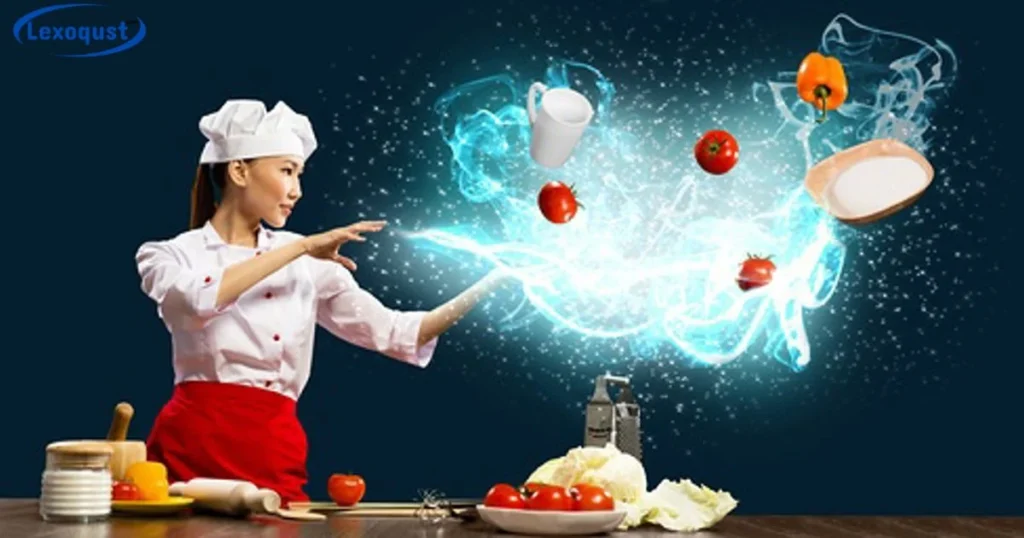
Meaning: Suggests a sense of creativity and wonder in the preparation or enjoyment of food.
Definition: Refers to meals or ingredients that feel special, inventive, or enchanting.
Tone: Playful, imaginative, and uplifting.
Example: “The chef’s secret recipes are pure kitchen magic that delight every guest.”
Explanation: This phrase transforms ordinary meals into memorable experiences, sparking curiosity and enjoyment.
Purpose and Personalization: Use to convey creativity or culinary flair. Adjust the wording to match a whimsical, fun, or elegant writing style.
22. Edibles
Meaning: Refers to food in a casual, sometimes trendy or humorous context.
Definition: Anything that can be eaten; emphasizes the consumable aspect of food.
Tone: Casual, modern, and slightly playful.
Example: “We brought plenty of edibles for the picnic.”
Explanation: Simple and versatile, this phrase keeps writing approachable and relatable.
Purpose and Personalization: Ideal for informal or conversational content. Customize by pairing with adjectives for tone or context.
23. Scrumptious Stuff
Meaning: Highlights tasty or indulgent food in an enthusiastic way.
Definition: Delicious food items that appeal to the senses.
Tone: Cheerful, fun, and inviting.
Example: “The bakery is famous for its scrumptious stuff that melts in your mouth.”
Explanation: Adds warmth and excitement to descriptions, making readers feel eager to try the food.
Purpose and Personalization: Perfect for playful, friendly writing. Emphasize adjectives or sensory details to fit style.
24. Appetizers & More
Meaning: Suggests variety and a focus on starters or small bites.
Definition: A phrase covering snacks, appetizers, and light meals.
Tone: Informative, inviting, and versatile.
Example: “The menu features appetizers & more for every taste.”
Explanation: Clearly signals variety, helping readers understand the scope of food items.
Purpose and Personalization: Use in guides, menus, or casual reviews. Adjust “& more” to match formal or informal tone.
25. Bite Bliss
Meaning: Emphasizes enjoyment and satisfaction in every bite.
Definition: Food that delivers joy and flavor with each taste.
Tone: Excited, positive, and sensory-focused.
Example: “Every cookie from this bakery is pure bite bliss.”
Explanation: Evokes sensory pleasure, engaging readers’ imaginations and taste buds.
Purpose and Personalization: Great for descriptive or experiential writing. Enhance with adjectives to match style.
Read More: Funny Ways to Say “Going To Lunch”
26. Nom Feast
Meaning: Fun, playful way to refer to a large, enjoyable meal.
Definition: A feast that’s satisfying, often associated with informal or social eating.
Tone: Lighthearted, humorous, and social.
Example: “We set up a nom feast for the holiday party.”
Explanation: Brings energy and relatability, especially for younger or casual audiences.
Purpose and Personalization: Best for social media posts or blogs. Adjust the humor level to suit the audience.
27. Snack Attack
Meaning: Focuses on a sudden craving or indulgence in small foods.
Definition: A burst of snacking, often casual or fun.
Tone: Playful, energetic, and relatable.
Example: “Midnight snack attack hit the office fridge.”
Explanation: Captures spontaneous enjoyment, keeping writing dynamic and approachable.
Purpose and Personalization: Ideal for casual, fun writing. Pair with context-specific adjectives for flair.
28. Flavor Bites
Meaning: Highlights concentrated taste and sensory impact of small portions.
Definition: Small servings packed with strong or distinct flavors.
Tone: Exciting, sensory, and descriptive.
Example: “These tapas are tiny flavor bites bursting with spice.”
Explanation: Makes food feel vibrant and memorable, engaging readers’ senses.
Purpose and Personalization: Perfect for food reviews or descriptive content. Customize with flavor descriptors to match tone.
29. Dishy Delights
Meaning: Suggests appealing, enjoyable, or indulgent dishes.
Definition: Food that is visually or tastefully delightful.
Tone: Fun, inviting, and cheerful.
Example: “The restaurant serves dishy delights that impress every guest.”
Explanation: Combines charm and playfulness, making descriptions lively.
Purpose and Personalization: Great for casual or entertaining writing. Adjust adjectives to match the audience.
30. Meal Magic
Meaning: Emphasizes extraordinary meals that create memorable experiences.
Definition: Food that impresses through taste, creativity, or presentation.
Tone: Uplifting, inspiring, and imaginative.
Example: “Dinner at this place is pure meal magic, every bite is unforgettable.”
Explanation: Elevates ordinary meals to an enchanting experience, appealing to readers’ emotions.
Purpose and Personalization: Ideal for storytelling or descriptive food writing. Use sensory and creative words to enhance impact.
31. Tummy Treats
Meaning: Implies playful and lighthearted enjoyment of food.
Definition: A whimsical term for food items that bring comfort or joy.
Tone: Fun, cheerful, and approachable.
Example: “The bakery’s cupcakes are perfect little tummy treats for any afternoon craving.”
Explanation: Using this phrase adds a sense of delight and relatability, making descriptions of food feel personal and engaging.
Purpose and Personalization: Ideal for casual or friendly writing. Adjust by pairing with specific foods or moods to match your narrative style.
32. Culinary Joy
Meaning: Suggests happiness and satisfaction derived from food experiences.
Definition: A phrase emphasizing the pleasure of cooking or eating.
Tone: Uplifting, positive, and inspiring.
Example: “Cooking fresh pasta from scratch brought her immense culinary joy.”
Explanation: Highlights emotional connection to food, creating warmth in your writing.
Purpose and Personalization: Perfect for lifestyle, food blogs, or reflective pieces. Can be personalized by specifying cuisines or cooking methods.
33. Hungry Helpers
Meaning: Refers to food that supports or satisfies one’s hunger in a fun way.
Definition: A lighthearted expression for snacks or meals that aid appetite.
Tone: Playful and encouraging.
Example: “Mini sandwiches made easy hungry helpers for our picnic guests.”
Explanation: Adds a charming, approachable feel, making the content relatable.
Purpose and Personalization: Suitable for casual guides or family-oriented writing. Customize by linking to particular meals, events, or situations.
34. Food Fun
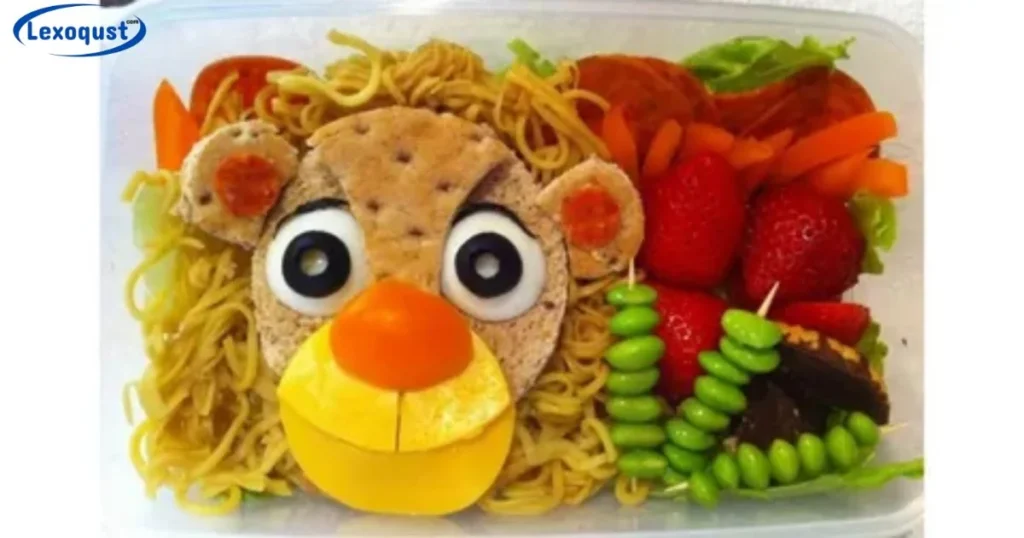
Meaning: Represents food as a source of entertainment or enjoyment.
Definition: A simple phrase to convey the joy and excitement of eating or cooking.
Tone: Cheerful, lively, and engaging.
Example: “Decorating cupcakes with the kids turned into pure food fun.”
Explanation: Encourages readers to see meals as enjoyable experiences, not just necessities.
Purpose and Personalization: Great for playful, social, or instructional content. Adapt by including interactive or creative food activities.
35. Taste Bud Treats
Meaning: Highlights food that delights or excites the palate.
Definition: A descriptive term for flavorful or indulgent dishes.
Tone: Tempting, enthusiastic, and sensory-focused.
Example: “The chocolate mousse was one of the most decadent taste bud treats we’d ever had.”
Explanation: Evokes sensory pleasure, making the description vivid and engaging.
Purpose and Personalization: Perfect for gourmet, blog, or review-style writing. Personalize by specifying flavors, textures, or ingredients for added impact.
Conclusion
Choosing the right words transforms ordinary writing into memorable, engaging communication. Exploring funny ways to say “food” shows how playful, creative language can strengthen connections and add personality to any piece. Whether in academic papers, lively blog posts, or heartfelt personal letters, thoughtful word choice allows your message to resonate and entertain.
I encourage you to experiment with these expressive alternatives, tailoring them to your unique style for greater warmth and charm. By embracing this approach, you’ll make your writing more authentic, enjoyable, and impactful, turning simple ideas into delightful experiences your readers will appreciate.
FAQs About Funny Ways to Say “Food”
1. What Is A Fun Word For Food?
A fun word for food is “yummy”, “nom-noms,” or “grub,” depending on your tone—playful, casual, or cozy.
2. What Can I Say Instead Of Food?
You can say “meal,” “dish,” “eats,” “cuisine,” or “fare” as stylish and natural alternatives to food.
3. What Is A Slang Term For Food?
Popular slang terms for food include “grub,” “chow,” “eats,” “snacks,” and “noms.”
4. What Is Gen Z Slang For Good Food?
Gen Z often says “bussin,” “fire,” “slaps,” or “hits different” to describe good food.
5. What Are Cute Or Trendy Words For Food On Social Media?
Cute and trendy words for food include “nomz,” “snackies,” “treats,” “bites,” and “yumz,” perfect for captions and posts.

Hi! I’m Amelia Ashford, the admin of Lexoqust.com. Here, we dive deep into the world of synonyms to help you express yourself better.From everyday words to advanced vocabulary, Lexoqust makes your writing richer and more refined.